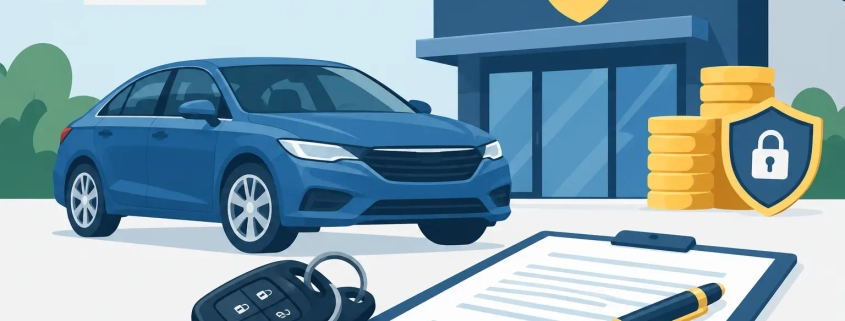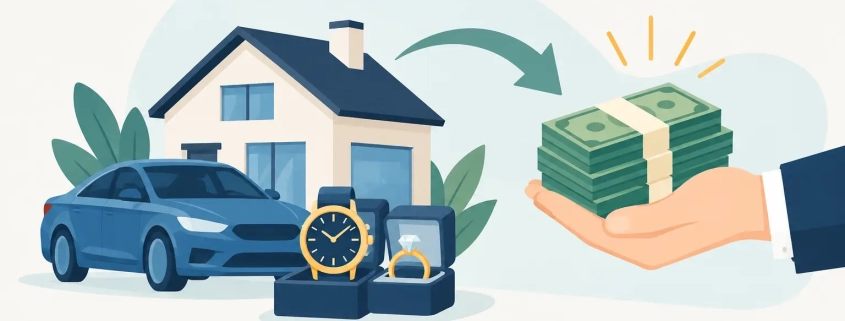
What Is Loan Value on My Car?

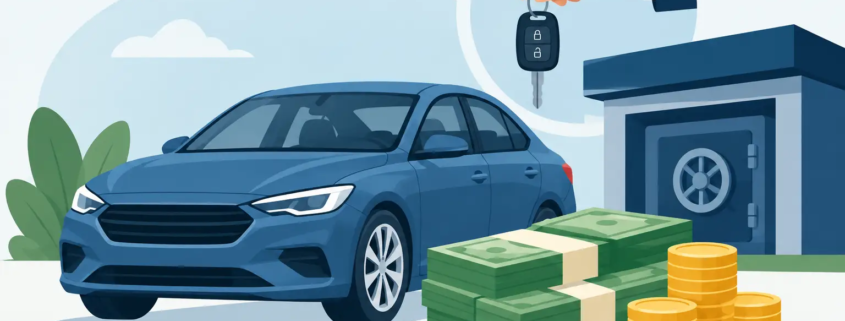
Needing cash fast changes the question. You stop asking what your car is worth in general and start asking, what is loan value on my car? That number is not the same as a private sale price or what you paid for it. It is the amount a lender may be willing to advance against your vehicle based on its current market position, condition and resale risk.

If you own your car outright and need money quickly, understanding loan value helps you cut through the guesswork. It gives you a realistic idea of what you may be able to borrow and why one vehicle gets a stronger offer than another. It also helps you avoid wasting time with lenders who talk big but do not explain how they actually value an asset.

What is loan value on my car and how does it work?

Loan value is the amount a lender is prepared to lend using your car as security. It is based on the vehicle itself, not just your personal income, credit history or bank statements. For asset-backed lenders, the main question is simple – if they lend against the car, how much can they safely advance based on what that car is worth in the wholesale market?

That last part matters. Many people think in terms of retail value because that is what they see on car sales sites. A lender usually thinks more conservatively. They look at what the vehicle could reasonably achieve in a trade or wholesale environment, because that is the more realistic benchmark for secured lending risk.

For example, if your car might sell privately for $20,000, its wholesale value could be lower. The loan offer would then usually be a percentage of that lower figure, not the full private sale amount. That is why the number can feel smaller than expected, even when the car is in good nick.

Why your car’s loan value is different from its sale price

A car can have a few different values at the same time. There is the sentimental value to you, the private sale value if you sell it yourself, the trade-in value at a dealership, and the wholesale value used by many lenders. Loan value sits closest to that wholesale end of the scale.

The reason is risk. A lender is not buying the car for themselves. They are lending money against it and need a buffer in case the loan is not repaid, market prices soften or the vehicle takes longer to sell than expected. That buffer protects both the business and the lending process.

This is also why loan value is not a fixed national figure. Two lenders can look at the same car and come up with different numbers based on their risk settings, experience with certain vehicle types, local demand and how quickly they believe the car could be turned into cash if needed.

What affects the loan value on your car?

The biggest factor is the vehicle’s market value today, not when you bought it. Age, make, model, kilometres and overall condition all play a part. A late-model ute with reasonable kilometres and strong resale demand will usually present better than an older sedan with cosmetic damage and patchy service history.

Registration and roadworthy condition also matter. A registered, roadworthy car is generally easier to value and easier to lend against. If the vehicle is unregistered, damaged or has mechanical issues, the lender may reduce the offer or decline it altogether.

Ownership status is another major factor. If there is still finance owing on the car, that will affect the equity available. Some lenders focus on unencumbered vehicles only, meaning the car must be fully paid off. If you do not own it outright, the loan value to you may be limited or unavailable.

Demand in the resale market counts too. Some vehicles hold value well because buyers actively want them. Others can be harder to shift, even if the book value looks decent on paper. Popular 4WDs, work utes and certain commercial vehicles often perform better than niche or ageing models.

Service history, accident history and modifications can also influence the assessment. A clean history and standard spec usually help. Heavy modifications can go either way. They might add appeal for a private buyer, but a lender may see them as narrowing the resale market.

How lenders usually calculate a car’s loan value

Most secured vehicle lenders start with the current wholesale value of the car. From there, they apply a lending ratio. That ratio varies, but it is common for the maximum advance to be well below full market value. This is standard practice in asset-backed lending.

As a simple example, if a vehicle has a wholesale value of $18,000 and the lender offers up to 55% of that value, the loan amount may be up to $9,900. That does not mean every car gets the maximum. It depends on the asset, condition and risk profile.

This is where people sometimes get confused. They hear that a lender offers loans against cars and assume the offer will match what the car could sell for online. In reality, the assessment is usually more measured. The car is the security, not the full cash amount on offer.

At AutoPawn, for example, lending is based on the asset and can be up to 55% of wholesale vehicle value. That makes the process faster and simpler for people who need cash quickly, but it also shows why the loan figure is tied to wholesale reality rather than hopeful sale prices.

What is loan value on my car if I have bad credit?

If your credit file is rough, the good news is that secured vehicle lending can still be an option. When the lender is primarily assessing the car, your credit score may not carry the same weight it would with a bank or unsecured lender.

That does not mean credit never matters in the broader lending world. It just means the asset takes centre stage in this type of loan. If you own a registered, roadworthy vehicle outright, the condition and value of the car may matter more than your past repayment issues.

For people dealing with urgent bills, slow trading periods or a short-term cash gap, that can be the difference between getting funds today and being stuck in paperwork for days. It is a practical solution, but only if you understand what your car can realistically support.

How to estimate your car’s loan value before you apply

Start with a realistic value, not an optimistic one. Look at vehicles similar to yours in age, kilometres and condition, then remember those advertised prices are usually retail asks, not guaranteed sale results. A lender will often work from a lower benchmark.

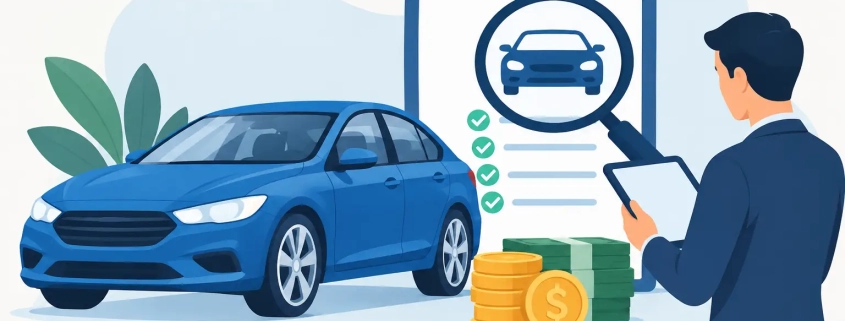
Be honest about the condition. Scratches, worn tyres, warning lights, accident repairs and overdue servicing all affect value. So do missing keys, damaged interiors and expired registration. If your car has issues, factor them in early rather than being surprised later.

It also helps to gather the basics before you enquire. Have your rego details, odometer reading, make, model and year ready. If you have service records and proof the vehicle is fully owned, keep those handy too. The clearer the picture, the faster the assessment.

If the car is used for work, mention that as well. Some vehicles, especially utes, vans and light trucks, can hold strong value because they are in steady demand. On the other hand, if it has very high kilometres or obvious wear from commercial use, that may pull the figure back.

When the loan value might be lower than you expected

The most common reason is confusing retail value with lendable value. A clean private sale price is one thing. A secured loan amount based on wholesale value and risk settings is another.

The second reason is condition. Many owners naturally overlook wear and tear because they drive the car every day. Lenders do not. They assess what a buyer in the real market would notice straight away.

The third reason is market demand. Some cars simply do not hold up well. Even if they were expensive when new, poor resale demand can drag down both wholesale value and loan value.

There is also the simple fact that secured lending is designed to be conservative. Fast access to cash comes with a practical trade-off. You are usually not borrowing the full value of the asset. You are borrowing a portion of it.

Is loan value the right number to focus on?

If you need quick funds, yes. Loan value is the number that tells you whether your car can solve the problem in front of you. It is more useful than a dream sale figure because it reflects what a lender may actually do.

Still, it depends on your situation. If you are not in a rush and want to squeeze every dollar out of the vehicle, selling privately might produce more money. But private sales take time, inspections, tyre-kickers and paperwork. If the issue is urgent and you need to keep the process simple, loan value becomes the more relevant figure.

The key is going in with a clear head. Ask what the car is worth to a lender today, not what you hope it might fetch on a perfect weekend sale. That one shift in thinking can save time and help you make a smart call when the pressure is on.

If you are wondering what is loan value on my car, the short answer is this: it is the amount your vehicle can realistically support as security right now. Get a straight assessment, know where your car stands, and you will be in a much better position to move fast when cash cannot wait.

Can I Get Loan Against Car in Australia?

A big bill lands, the ute needs repairs, or cash flow dries up right before wages hit. That is usually when people ask, can I get loan against car and how fast can it happen? If you own your vehicle outright, the short answer is yes. A loan against your car can give you access to cash quickly without the usual bank run-around.

This type of lending is straightforward. The lender looks at the vehicle more than your credit file, income history, or piles of paperwork. For a lot of people, that is the difference between getting help today and getting knocked back by a traditional lender.

Can I get loan against car if I still need the money today?

Often, yes. A loan against a car is built for speed. If your vehicle meets the lender’s criteria and you can show ownership, the process is usually much quicker than applying for a personal loan through a bank.

That speed matters when the pressure is real. Maybe you have supplier invoices due, overdue rego, a family emergency, or a short-term gap in business cash flow. In those cases, waiting days for an approval, then more time for funds to clear, is not much help.

With a vehicle-backed loan, the key question is usually not whether your credit score is perfect. It is whether the car has enough value and whether the lender can verify what it is, who owns it, and what condition it is in.

How a loan against your car actually works

Put simply, you use the vehicle as security for the loan. The lender assesses the car and offers a loan amount based on its market or wholesale value, not just what you originally paid for it. If you accept the offer, the funds can be released fast.

The amount you can borrow is normally a percentage of the car’s value. That percentage varies between lenders, but secured vehicle lenders commonly work off a conservative valuation so they can manage risk properly. That is why you might not get the full private sale value of the car.

This matters because some borrowers expect a figure based on online listings. Lenders do not usually work that way. They assess what the vehicle would reasonably return in a wholesale setting and lend a portion of that amount. It is a more practical number, even if it is lower than what you hoped.

What lenders usually look for

If you are wondering can I get loan against car without jumping through hoops, the answer depends on the vehicle first.

Most lenders want the car to be unencumbered. That means you own it outright and there is no existing finance owing on it. It also generally needs to be registered and in roadworthy condition. A tidy, well-kept vehicle with clear ownership details is always easier to assess than one with damage, missing paperwork, or registration issues.

Age, make, model, kilometres and condition all affect value. So does demand in the resale market. A late-model dual cab in good condition is usually easier to lend against than an older niche vehicle with limited resale appeal.

In plain terms, lenders want security they can value properly. If the car is easy to identify, easy to verify and holds real resale value, your chances improve.

Do you need good credit to get a car-backed loan?

Not always. This is one of the main reasons people look at this option in the first place.

Banks and mainstream lenders usually focus hard on your credit history, employment, existing debts and serviceability. A vehicle-backed lender is often more interested in the asset itself. That can be a big advantage if you have had credit issues, inconsistent income, or you are self-employed and do not have neat payslips ready to go.

That said, secured lending is not a free-for-all. Responsible lenders still need to verify key details and make sure the transaction is appropriate. But the path is often far simpler than a standard unsecured loan application.

Can I get loan against car without proof of income?

In many cases, yes, especially with asset-based lending. Some vehicle-backed lenders do not require the same proof of income that a bank would demand for a personal loan. They may not ask for payslips, accountant letters or a long list of supporting documents.

That is useful for tradies, sole traders, casual workers and small business owners whose income can move around from week to week. If your cash flow is solid but your paperwork is messy, a loan secured against your car may be a more practical fit.

Still, every lender has its own process. Some will ask for basic identification and proof of ownership only. Others may request a bit more, depending on the loan amount and asset type.

How much can you borrow against a car?

This depends on the car’s assessed value, not the amount you want. That is the part many people miss.

If a lender values your car at a certain wholesale figure, the loan offer will usually be a percentage of that number. The stronger the vehicle, the better the potential loan amount. If the car is older, has high kilometres, or has limited resale demand, the offer may be lower than expected.

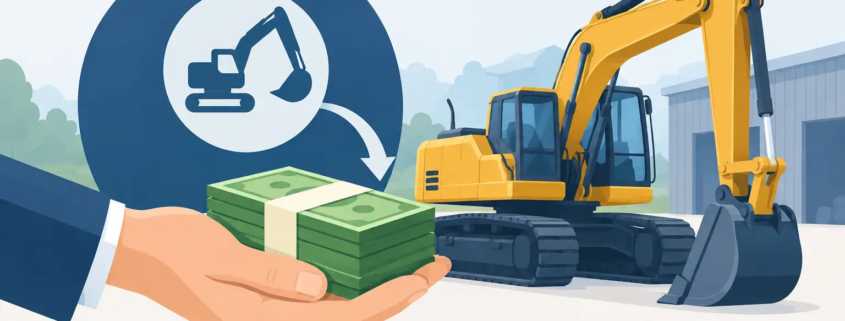
It also depends on whether the lender specialises in vehicle-backed loans. Businesses in this space are set up to move fast and make practical decisions based on the asset. AutoPawn, for example, lends up to 55% of wholesale asset value on eligible vehicles and equipment. That gives borrowers a clear idea of how the number is worked out.

What documents do you usually need?

Compared with a bank, not much. Most of the time, the essentials are proof of identity, proof of ownership and the vehicle itself for inspection or valuation. If the registration matches your details and the car is in sound condition, that already answers a lot of the lender’s questions.

You may also need to confirm that the vehicle is not under finance. Some lenders will run checks themselves, while others will ask for documents that support clean title. The point is not to bury you in forms. It is to confirm the asset is real, saleable and actually yours.

Is a loan against your car a good idea?

It can be, if the need is short term and the numbers make sense. This kind of loan suits urgent situations where speed matters more than chasing the absolute cheapest rate through a bank process that takes too long.

It is often a solid option when the cost of waiting is higher than the cost of borrowing. For example, if quick cash helps you keep a contract moving, fix essential equipment, avoid penalty fees or cover a temporary setback, it may solve a real problem fast.

But it is not something to take lightly. Your car is the security. If you cannot meet the loan terms, there is real risk attached. That is why the best approach is to borrow what you need, understand the repayment terms, and make sure there is a clear exit plan.

When this option makes the most sense

A loan against your car is usually strongest as a short-term tool, not a long-term fix. It can work well for emergency bills, urgent business expenses, bridging a temporary gap, or handling one-off costs when cash is tied up elsewhere.

It makes less sense if you are already under heavy financial pressure with no realistic way to repay. In that case, fast approval alone is not enough. You need a workable plan, not just quick cash.

That is where a no-nonsense lender matters. Clear terms, realistic valuations and a simple process are far better than flashy promises that leave out the important bits.

What to ask before you go ahead

Before taking the loan, ask how the vehicle is valued, how much you can borrow, what fees or charges apply, and what happens if you need more time. Those are not tricky questions. They are the basics, and a proper lender should answer them plainly.

You should also ask how quickly funds can be released. If the whole reason for applying is urgency, there is no point ending up in a drawn-out process that feels just like a bank.

The right lender will keep it simple. They will tell you what your car is worth, what they can lend, what you need to provide, and how soon you can get the money.

If you own your car outright, the vehicle is registered and roadworthy, and you need fast access to funds, this can be one of the simplest ways to get moving again. When time matters, plain answers and quick action count for a lot.

How to Get Loan on My Car Fast

If you’re searching how to get loan on my car, chances are you don’t want a long lecture about finance. You want to know whether your car can help you get cash quickly, what the lender will look at, and how fast the money can land in your account. That’s exactly what matters when bills are due, work is slow, or something expensive has come out of nowhere.

A car-backed loan is one of the fastest ways to raise money if you own your vehicle outright. Instead of judging you on your credit score, payslips or bank statements, the lender looks mainly at the vehicle itself. If the car has value, is registered, and is in roadworthy condition, there’s a good chance you can borrow against it.

How to get loan on my car without bank-style hassle

The short answer is simple. You use the value in your vehicle as security for a short-term loan. That means the lender is focused on the asset, not on the same paperwork and approval hoops you’d deal with at a bank.

This is why vehicle-backed lending appeals to people who need cash fast. If your car is unencumbered, meaning there’s no finance owing on it, and it meets basic lending criteria, approval can be much quicker than a personal loan. In many cases, the process can be handled the same day.

What usually makes the biggest difference is the vehicle’s wholesale value, not what you personally paid for it or what you hope to sell it for privately. Lenders generally work off trade or wholesale value because that’s the realistic benchmark for secured lending. As a guide, some lenders advance up to 55% of that value.

What you need before you apply

If you want the process to move quickly, have the basics ready from the start. The car generally needs to be in your name, registered, and in reasonable condition. It also needs to be free from existing finance. If money is still owing on the vehicle, that changes the deal completely and may rule it out.

You’ll also need ID and proof that the vehicle belongs to you. Depending on the lender, they may want to inspect the car in person or ask for clear photos along with registration details. The cleaner and more accurate the information, the faster you’ll get a straight answer.

People often ask whether age matters. It can, but not always in the way they expect. An older vehicle can still be suitable if it holds value and is in decent condition. On the other hand, a newer car with damage, poor service history or high kilometres may be worth less than you think. The asset value is what drives the loan amount.

The main checks lenders make

A lender offering loans against cars will usually look at a few practical points. They’ll check ownership, registration, general condition, market value and whether the vehicle is already encumbered. They may also ask how quickly you need the funds and how long you need the loan for.

That last part matters because this type of lending is designed for short-term cash flow, not long-term debt. It can be a strong option if you need to cover an urgent gap and have a clear plan to repay.

How much can I borrow against my car?

This depends on the vehicle, not on what you would like to borrow. The amount is usually tied to a percentage of the wholesale value. So if your car has a wholesale value of $20,000, the available loan may be around $11,000 if the lender advances up to 55%.

That can be frustrating for people who compare it to private sale prices online. But secured lending works on conservative values for a reason. It protects both sides. The lender has to assess resale risk, and you need a loan amount that makes sense against the asset.

If you own a late-model ute, van, 4WD or work vehicle in good condition, you may be able to access a stronger amount than someone with an older everyday runabout. Commercial vehicles and equipment can also be considered if they are owned outright and have clear value.

How fast can I get the money?

This is where vehicle-backed lending stands apart from traditional lenders. If you meet the basic criteria and the car stacks up, funds can often be approved and paid the same day. Some borrowers can access cash within the hour.

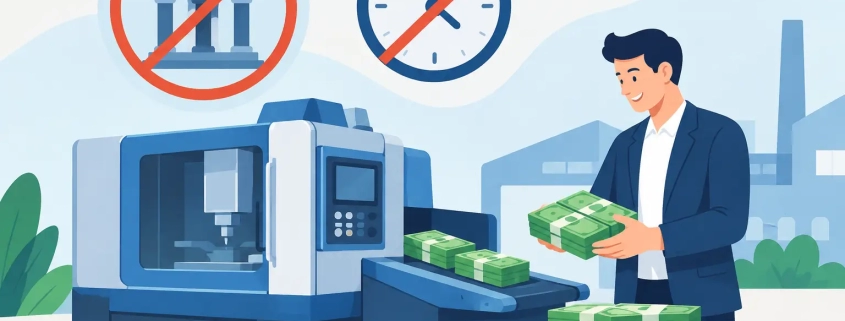
That speed comes from a much simpler process. There’s usually no need for credit checks, proof of income, application fees or the kind of drawn-out document trail you get with mainstream finance. The lender is not trying to assess your whole financial life. They are assessing the vehicle and whether it is suitable security.

For someone dealing with urgent rego, supplier invoices, rent, emergency travel, tools that need replacing, or a sudden home bill, that speed is the whole point.

Why people choose a loan on their car instead of a personal loan

A personal loan from a bank sounds cheaper on paper, but that only helps if you can actually get approved in time. For many borrowers, that is the problem. Credit issues, casual income, self-employment, recent defaults, or simply not wanting to hand over piles of paperwork can turn a basic application into a dead end.

A car-backed loan is different because the vehicle does the heavy lifting. If you own the asset, that opens the door. For tradies, sole operators, and everyday working people, that can be far more practical than waiting on a lender who wants weeks of statements and a spotless credit file.

There is a trade-off, though. This type of loan is built for speed and access, not for long repayment terms. You should only use it when you understand the repayment plan and you know how you will clear the loan. Fast money solves a short-term problem best when it stays short term.

How to get loan on my car and avoid common mistakes

The biggest mistake is overestimating what the car is worth. A realistic value gets you to a real answer faster. The second mistake is trying to apply on a vehicle that still has finance owing. If the car is not fully yours yet, most lenders will not treat it as clean security.

Another common issue is leaving out details about condition. If the car has panel damage, mechanical faults or registration problems, mention it early. You are better off getting an accurate quote upfront than wasting time on a figure that will change after inspection.

It also helps to be honest about why you need the money and when you expect to repay it. A straightforward conversation usually gets a quicker result than trying to dress things up.

When this type of loan makes sense

A loan against your car can make sense when the need is urgent and temporary. Think overdue bills, emergency expenses, short-term business cash flow, bond money, repairs, or bridging a gap until incoming funds arrive. It is often used by people who have an asset but not enough spare cash right now.

It makes less sense if you are already under heavy financial pressure with no clear repayment plan. In that situation, speed alone should not be the deciding factor. The right loan is one you can repay without creating a bigger problem a few weeks later.

What the process usually looks like

In practical terms, the process is straightforward. You provide the vehicle details, the lender assesses its value and condition, and if it is suitable, you receive a loan offer. Once you accept the terms and complete the required paperwork, funds can be released quickly.

That simplicity is why many Queensland borrowers turn to this option when time matters. A business like AutoPawn has built its reputation on exactly that – fast, straightforward lending against vehicles and equipment, with same-day service for eligible borrowers.

The key is to treat it as a practical tool, not a last-minute guess. Know what your car is worth, make sure it is unencumbered, have your details ready, and ask direct questions about the loan amount, term and repayment. That is how you move from stress to a clear answer fast.

If your car is sitting in the driveway with real value in it, it may be more than just transport right now. It could be the quickest way to get breathing room when you need it most.

How to Borrow Against My Car Fast

If you’re asking how to borrow against my car, chances are you don’t need a long lecture. You need a clear answer, and you need it quickly. The short version is simple: if you own your vehicle outright and it has value, you may be able to use it as security for a short-term loan and get cash the same day.

That option suits plenty of Australians who are short on time, dealing with urgent bills, covering business costs, or trying to bridge a temporary cash-flow gap. It can also make sense if the bank has already wasted your time, or if your credit history is getting in the way of a practical solution.

How to borrow against my car

Borrowing against your car means using the vehicle as collateral for a loan. The lender looks at the car first – not just your payslips, credit score, or bank statements. If the vehicle is unencumbered, registered, and roadworthy, and it has enough resale value, it may qualify.

In plain terms, you’re not selling the car. You’re using the value in it to access cash. The amount you can borrow usually depends on the vehicle’s wholesale value, not what you hope to get for it in a private sale. That matters, because loan amounts are based on what the asset is realistically worth in the current market.

For many borrowers, the appeal is speed. A vehicle-backed loan is often much faster than a bank loan because there’s less paperwork and no long approval chain. In many cases, there are no credit checks, no proof of income requirements, and no application fees. The asset does the heavy lifting.

Who can borrow against a car?

You’ll usually need to be the legal owner of the vehicle, and the car generally needs to be fully paid off. If there’s still finance owing on it, that changes the picture. Some lenders won’t touch it. Others may consider it, but only after checking the payout amount and whether there’s still enough equity in the car.

The vehicle also needs to be in reasonable condition. A registered, roadworthy car with clear ownership is far more likely to be approved than something damaged, unregistered, or hard to value. This is why everyday cars, utes, vans, motorbikes, boats, caravans, and work equipment are often used for this type of lending.

This kind of loan is commonly used by tradies, small business owners, casual workers, sole traders, and everyday people who have an asset but need quick access to cash. It’s not about fitting a bank’s neat little box. It’s about whether the vehicle is suitable security.

What you usually need to apply

The process is normally straightforward. You’ll be asked for photo ID, proof that you own the vehicle, and basic details about the asset itself. That might include the registration, make, model, year, kilometres, and overall condition.

The lender may also want to inspect the vehicle in person. That’s standard. They need to confirm what it is, what shape it’s in, and what it’s worth. If the car checks out, the loan offer is based on that assessed value.

A lot of borrowers expect mountains of paperwork because that’s what happens with mainstream lenders. Vehicle-backed lending is different. The focus is the asset, so the process is usually faster and easier to move through.

How much can I borrow?

This depends on the vehicle’s value and the lender’s policy. In many cases, the loan amount is a percentage of the wholesale value, not the retail or private sale price. That percentage can vary, but a common upper range is around 55% of wholesale value.

So if your car is worth a solid amount in the current market, you may be able to access a useful sum without selling it outright. If it’s older, high-kilometre, or in rough shape, the loan amount may be lower than you hoped. That’s one of the main trade-offs. The process is fast, but the amount is tied to real asset value, not sentiment.

If you need a very specific figure, the quickest path is usually to have the vehicle assessed properly rather than guessing from online resale ads. Market reality and advertised prices are rarely the same thing.

What happens during the process?

Once you make contact, the lender will usually ask a few quick questions about the vehicle and your situation. If it sounds suitable, they’ll organise an inspection or valuation. From there, you’re given a loan amount, the terms are explained, and if you’re happy to proceed, the paperwork is completed.

With the right lender, this can all happen fast. Same-day funding is one of the main reasons people choose this option. If you’ve got a bill due today, wages to cover, or an urgent repair that can’t wait, speed matters more than fancy loan packaging.

Some lenders require the vehicle to be stored with them while the loan is active. Others may offer different arrangements depending on the asset and the structure of the loan. This is one area where you need to ask direct questions. Can you keep using the vehicle, or does it stay with the lender? Don’t assume. Get a clear answer before signing anything.

The pros and the trade-offs

The biggest advantage is speed. If you qualify, you can often get cash within the hour. That’s a very different experience from waiting days or weeks for a bank to assess payslips, living expenses, credit history, and account conduct.

Another major benefit is accessibility. If your credit file is poor, your income is irregular, or you’re self-employed and sick of explaining your finances to everyone, a vehicle-backed loan can be a practical option. The asset matters more than the story behind it.

But there are trade-offs. This is not free money, and it’s not the right option for every situation. Interest and fees can be higher than mainstream secured finance, particularly because the loan is built for speed and short-term access. If you borrow without a realistic repayment plan, you can create more pressure for yourself later.

There’s also the obvious risk tied to the asset. If you default under the terms of the agreement, the lender may have the right to sell the vehicle to recover what’s owed. That’s why this type of borrowing works best when the cash shortfall is temporary and you’ve got a clear path to repay.

How to borrow against my car without making a bad call

The fast answer is this: be honest about why you need the money, how long you’ll need it for, and whether the repayments are manageable. If the loan is helping you solve a short-term problem, it may be useful. If it’s covering a deeper money issue with no clear way out, you need to be careful.

Ask what the total cost will be, not just the amount you’ll receive today. Ask what happens if you need more time. Ask whether there are storage requirements, late fees, or discharge costs. Straight answers matter.

It also helps to work with a lender that deals in this space every day and can explain the process without waffle. Experience counts. A long-running local operator with a clear process is usually a safer bet than someone who makes vague promises and rushes you past the details.

When this type of loan makes sense

Borrowing against your car can be a sensible option when the need is urgent and temporary. That might be a tax bill, overdue rent, stock for your business, emergency travel, vehicle repairs, or a gap between incoming invoices and outgoing costs.

It can also suit people who are asset-rich but cash-poor for the moment. Owning a vehicle outright gives you an option many borrowers forget they have. If the car is sitting there with usable value, it may be able to help you get through a tight week or a rough month.

That said, if you have cheaper finance available and time to apply for it, that may be worth considering too. Fast lending is valuable, but only when speed is actually the problem you need to solve.

For borrowers in Southeast Queensland who need a direct, same-day option, businesses like AutoPawn exist for exactly this reason. The process is built around the asset, not the usual bank hurdles.

If your car is paid off, registered, and worth something in the current market, the next step is simple. Get it assessed, ask the hard questions, and make sure the loan fits the problem you’re trying to fix. Fast cash can be useful when it’s handled properly, and a straightforward lender should make that part easy.

Loan Against My Car No Credit Check Options

When bills land at once, the usual lenders can feel painfully slow. If you are searching for a loan against my car no credit check, you are usually not window shopping – you need cash fast, and you need a straight answer about whether your vehicle can help.

That kind of loan is simpler than many people expect. Instead of judging you by your credit file, a vehicle-backed lender looks at the value of your car and whether it meets basic lending criteria. If the car is unencumbered, registered, roadworthy and has real resale value, you may be able to borrow against it without the delays that come with bank applications, income checks and endless paperwork.

How a loan against my car no credit check works

A car-secured loan is based on the asset, not your borrowing history. In plain terms, the lender uses your vehicle as security and offers a short-term loan based on a percentage of its value. That is why people with poor credit, no recent credit history, or a recent knockback from another lender often look at this option when time matters.

The process is usually quick. You provide details about the vehicle, the lender checks its condition and market value, and if it qualifies, an offer is made. In many cases, the amount available is tied to wholesale value rather than private sale price. That matters because it keeps the loan grounded in what the asset could realistically fetch if it had to be sold.

This is also why the condition of the vehicle matters more than a polished application. A roadworthy ute in decent nick with current rego is a much stronger security asset than a car with mechanical issues, expired rego or finance still owing.

Why people choose this over a bank loan

Most people looking at vehicle-backed lending are not chasing a long-term finance product. They need short-term breathing room. It might be a tax bill, urgent rent, payroll pressure, supplier invoices, school costs, vet fees or repairs that cannot wait until next payday.

Banks and mainstream lenders tend to move slowly and ask for more. They may want payslips, bank statements, living expense breakdowns and a credit assessment. If your file is bruised or your income is irregular, the answer can be no even when you own a valuable car outright.

A no credit check vehicle loan is different because the asset does the heavy lifting. That makes it practical for tradies, sole traders, casual workers and small business owners who have equity in a vehicle but do not want the usual runaround.

It is also more discreet than asking family for help or juggling multiple overdue accounts. You are using something you already own to solve a short-term cash problem.

What lenders usually look for

If you want a loan against your car with no credit check, the main question is not your score. It is whether the vehicle stacks up. In most cases, lenders want the car to be owned by you outright. That means no money owing on it, or at least no active finance that makes the security unusable.

Registration is usually required, along with proof that the vehicle is roadworthy and in reasonable condition. Make, model, age, kilometres and service history can all affect value. A late-model vehicle in solid condition will generally support a stronger loan amount than an older car with high kilometres and visible wear.

Some lenders also accept more than standard passenger cars. Vans, trucks, bikes, boats, caravans, jet skis and machinery may also qualify if they have clear value and can be verified.

How much can you borrow?

This depends on the vehicle, not on what you write down as your ideal number. A lender will usually advance up to a set percentage of the asset’s assessed wholesale value. That percentage varies, but a sensible benchmark in this market is up to 55 per cent.

That means if your car has a wholesale value of $20,000, the loan offer may be up to around $11,000, depending on condition and lender policy. If the vehicle is in demand, well presented and easy to verify, the process is often faster and more straightforward.

The key point is to be realistic. People often think in terms of private sale value because that is what they see on classifieds. Lenders do not. They look at recoverable value if the loan is not repaid. That is why the figure can come in lower than expected.

The trade-off with no credit check car loans

Speed and accessibility are the big advantages, but this type of lending is not free money. You are offering your car as security, and that comes with real responsibility. If you do not meet the loan terms, you risk losing the asset.

That does not mean these loans are unfair. It means they are designed for short-term use and should be treated that way. The best fit is when you know the cash gap is temporary and you have a clear path to repayment.

Cost also matters. A fast secured loan can be more expensive than mainstream finance, particularly if you compare it with a standard bank product that takes longer and has tighter approval rules. For many borrowers, that trade-off is worth it because the bank option is either too slow or not available. Still, the smarter move is to ask for the full cost upfront and make sure the repayment plan is realistic.

What to check before you apply

Before you hand over keys or sign anything, slow down for five minutes and check the basics. Ask how the vehicle is valued, what percentage of that value is available, what the total repayment amount will be, and what happens if you need more time.

You should also ask whether there are application fees, early payout fees or storage arrangements if the lender holds the vehicle. Not every lender works the same way. Some let you keep using the vehicle in certain loan structures, while others require it to be stored for the loan term. That difference can be a deal breaker if you rely on the car for work.

Clear communication matters. A solid lender will tell you exactly what is required, how quickly funds can be released and what your obligations are if circumstances change.

When this option makes sense

A loan against your car with no credit check can make sense when time is tight and the problem is temporary. If your business is waiting on invoices, your household has been hit with an unexpected expense, or you need funds within hours rather than days, asset-backed lending can be the practical answer.

It also makes sense when your credit history does not reflect your current situation. Plenty of people have had a rough patch, missed payments during a hard season or been knocked back by automated credit systems. That does not change the fact that they own a valuable vehicle outright.

Where it may not make sense is when the repayment plan is shaky from the start. If you are using one debt to patch over a deeper income problem with no clear end point, the pressure can build quickly. In that case, borrowing against your car may create more risk, not less.

Finding the right lender

Not all lenders offering fast cash are equal. Look for one that has been operating for years, explains the process plainly and does not hide behind vague promises. Experience matters in this space because valuing vehicles properly, processing loans quickly and treating customers fairly all come down to having solid systems and local knowledge.

If you are in Southeast Queensland and need a direct, practical option, AutoPawn is one example of a lender built around speed and simplicity. The focus is on what you own, not on your credit file, with same-day decisions on eligible vehicles and clear lending terms.

That local, no-fuss approach is what many borrowers are after. When you are under pressure, you do not want a lecture. You want to know if your car qualifies, how much you can get and how fast the money can land.

The fastest way to improve your chances

Be ready with accurate vehicle details. Have your rego, identification and proof of ownership sorted before you make contact. If the car is clean, roadworthy and easy to inspect, the process usually moves faster. If there are issues with ownership, rego or condition, expect delays or a lower offer.

It also helps to ask for the amount you need, not the absolute maximum. Borrowing to solve the problem in front of you is usually smarter than stretching the loan higher just because the asset can support it.

If you need cash urgently and own your car outright, this type of loan can be a practical pressure valve – provided you understand the terms and have a clear plan for paying it out.

Loan Against My Car - How It Works

Your rego is current, the car is paid off, and the bill cannot wait. That is usually when people start searching for a loan against my car – not because they want a long finance process, but because they need cash fast and need a straight answer.

A car-backed loan is simple in principle. If you own a registered, roadworthy vehicle outright, a lender may offer you a short-term loan secured against that car. The focus is on the vehicle’s value, not your credit score, payslips, or a pile of paperwork. For plenty of people, that matters more than anything else.

What a loan against my car actually means

A loan against your car is a secured loan where your vehicle is used as collateral. In plain terms, the lender assesses the car, works out what it is worth at wholesale level, and offers a percentage of that value as a cash loan.

This is not the same as selling your car. You are borrowing against an asset you already own. It is also different from a standard bank personal loan, where the bank spends more time judging your income, living expenses, credit file, and overall borrowing history.

With vehicle-backed lending, the main questions are usually straightforward. Is the car unencumbered? Is it registered? Is it roadworthy? What is it worth in the current market? If those boxes are ticked, the process is often much faster than mainstream lending.

Why people choose a loan against their car

Most customers are not looking for a complicated financial product. They are trying to bridge a gap. It might be a tax bill, overdue rent, a supplier invoice, emergency travel, urgent repairs, or a week where cash flow has gone sideways.

That is why a loan against your car appeals to tradespeople, small business owners, casual workers, and everyday borrowers who need speed over formality. If the asset is there and the value stacks up, there can be a path to same-day cash.

Another big reason is accessibility. Traditional lenders often decline people for reasons that have nothing to do with the value of the asset they own. A missed payment from two years ago, irregular income, self-employment, or too many existing commitments can all slow things down or stop the application entirely. A vehicle-secured loan works differently because the asset is doing the heavy lifting.

How much can you borrow?

This is where expectations need to be realistic. A lender is not usually working off private sale wish lists or what similar cars are advertised for online. They tend to assess wholesale value, then lend up to a set percentage of that amount.

In many cases, that means up to around 55% of the vehicle’s wholesale value. The exact figure depends on the age, make, model, condition, kilometres, market demand, and whether the car is straightforward to value and resell if needed.

So if your car is worth less than you hoped, the loan amount may be lower than expected. On the other hand, if you own a late-model ute, van, 4WD or other desirable vehicle outright, the available amount can be enough to solve a serious short-term problem quickly.

What you usually need to qualify

The basic requirements are often simpler than people expect. In most cases, the vehicle needs to be owned by you outright, which means no existing finance attached to it. It also generally needs to be registered and roadworthy.

You will usually need photo ID and proof that the vehicle belongs to you. The lender will want to inspect the car or verify its condition and details. That may include checking the rego, VIN, service history, and overall presentation.

A clean, well-kept vehicle with current registration is easier to assess. If the car has damage, mechanical issues, expired rego, or ownership complications, it does not always mean an automatic no, but it can affect the amount offered or whether the loan is approved at all.

The big difference from a bank loan

If you have ever applied for finance through a bank, you already know the routine. Forms, statements, credit checks, income verification, expense breakdowns, and delays while someone reviews everything.

A loan against your car is built for a different situation. It is designed for people who need speed and who have an asset to secure the loan. That often means no credit checks, no proof of income, no application fees, and far less back and forth.

That does not mean you should treat it casually. Fast lending is useful when time matters, but you still need to understand the terms. The right loan is one you can clear within the agreed period without putting yourself under more pressure than necessary.

What to check before you agree to a loan against my car

Speed is important, but clarity matters just as much. Before signing anything, make sure you understand the total cost of the loan, not just the amount you will receive on the day.

Ask what the repayment amount will be, when it is due, and what happens if you need more time. Check whether there are storage arrangements, default terms, extension costs, or any fees tied to the loan. A straightforward lender should be able to explain this in plain English without making you chase the details.

You should also be honest with yourself about the reason for borrowing. If the loan solves a short-term issue and you know where the repayment is coming from, it can be a practical option. If there is no clear exit plan, the pressure can build fast.

Is it safe to use your car as security?

It can be, if you deal with an established operator and go in with open eyes. The trade-off is simple. Because the lender takes security over the vehicle, they can move faster and take on customers that banks may reject. In return, the asset is on the line if the loan is not repaid under the agreement.

That is why this type of lending suits short-term needs better than ongoing money problems. It is not a fix for chronic debt. It is a fast option for people who own a usable asset and need immediate access to funds.

A reputable lender will be transparent about the process, the value of the vehicle, the loan amount, and the repayment terms. If anything feels vague, rushed, or padded with hidden costs, walk away.

Who this kind of loan suits best

A loan against your car usually makes the most sense when three things line up. You own the vehicle outright, you need cash quickly, and you expect to repay the loan within the agreed timeframe.

That can suit a subcontractor waiting on an invoice, a family dealing with an emergency expense, or a small operator needing breathing room for a short patch. It can also suit borrowers with credit issues who still own a valuable vehicle and do not want the hassle of mainstream applications.

For borrowers in Southeast Queensland, local service can make a real difference. Being able to get an answer quickly, speak to someone directly, and deal with people who understand the local market removes a lot of friction. That is one reason businesses like AutoPawn have built trust over time – the process is fast, direct, and based on real assets.

The smartest way to approach it

If you are considering a loan against my car, treat it like a practical tool, not a long-term solution. Know your car’s likely value, have your documents ready, and ask direct questions about the terms before you commit.

The best outcome is simple. You use an asset you already own to get through a tight spot, sort the immediate problem, and repay the loan without drama. When time is short and the banks are too slow, that kind of straightforward option can make all the difference.

If your car is unencumbered, registered, and roadworthy, the next step is not to overthink it – it is to find out what it could do for you today.

Welcome to WordPress. This is your first post. Edit or delete it, then start writing!