
Instant Cash for Vehicles Without Bank Delays
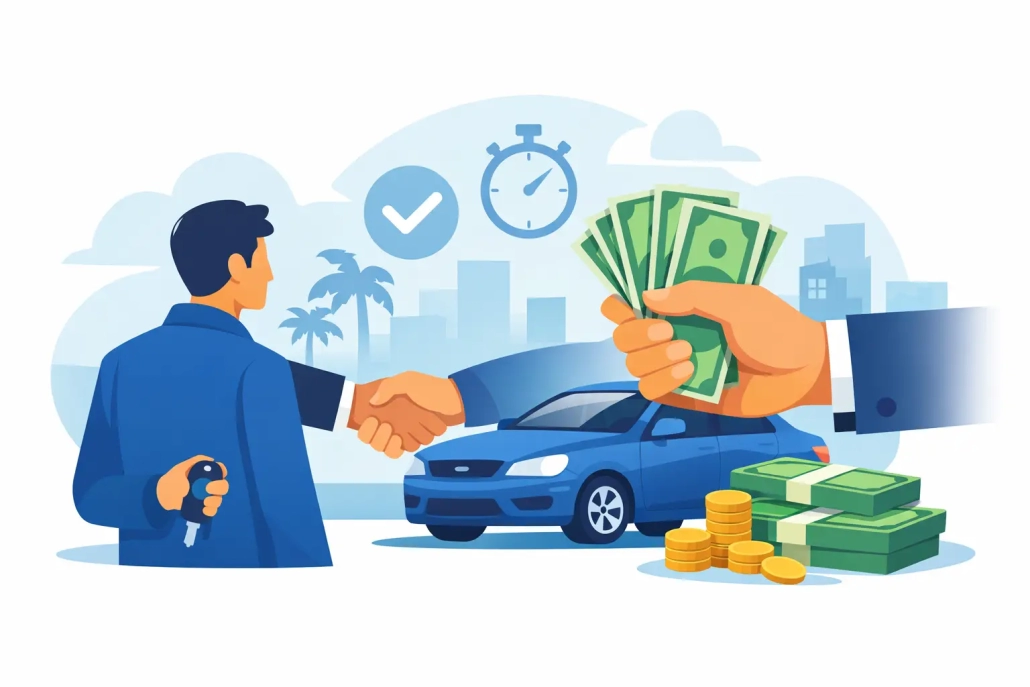
A blown gearbox, overdue supplier invoice or unexpected medical bill can put serious pressure on your week. Instant cash for vehicles gives eligible owners a practical way to use an asset they already own to cover a short-term cash gap, without waiting on a bank assessment or worrying about a credit check.
This is not a standard personal loan. It is a secured loan based primarily on the value of your vehicle or equipment. If you own an eligible asset outright, it may be possible to access funds on the same day – often within the hour once the asset has been assessed and the paperwork is complete.
How instant cash for vehicles works
Vehicle-backed lending is straightforward. Instead of a lender making a decision based on your credit score, payslips and a long list of expenses, the asset is assessed as security for the loan. The amount available depends on its wholesale value, condition, age, registration status and market demand.
At AutoPawn, loans can be advanced for up to 55% of an asset’s wholesale value, subject to assessment. That gives you a clear starting point: the more saleable and well-maintained the asset, the more it may support as security.
The process is designed for people who need an answer quickly. You provide details of the vehicle or equipment, arrange an assessment, agree to the loan terms if the offer suits you, and receive your funds once everything is finalised. There are no application fees, no proof of income requirements and no traditional bank-style paperwork.
That does not mean the loan should be treated casually. It is a secured financial agreement. You need to understand the repayment amount, due date, interest and any applicable charges before you proceed. Fast access to cash is useful when it solves a specific problem, not when it creates a bigger one down the track.
Which vehicles and equipment may qualify?
A good asset is more than something with wheels. It needs to be owned outright, registered where registration applies, roadworthy and free from finance or other encumbrances. If another lender has an interest in it, it generally cannot be used as security until that obligation is cleared.
Cars, utes, motorbikes, vans, trucks, caravans, boats and jet skis may be suitable. Machinery and other valuable work equipment can also be considered. This can be particularly useful for tradies and small business operators whose income depends on equipment but who need cash to bridge a quiet period, pay for materials or handle an urgent repair.
Condition matters. A clean, running vehicle with current registration and a realistic resale market will generally be easier to assess than an asset with major mechanical issues, expired registration or unclear ownership records. Bring accurate details. The make, model, year, kilometres, condition and any modifications all help establish value quickly.
What affects the amount you can borrow?
Wholesale value is not the same as the price you hope to get in a private sale. A private buyer might pay more because they have time to inspect, negotiate and shop around. Wholesale value reflects what an asset could reasonably achieve through a trade or resale channel, allowing for market conditions and the costs involved in selling it.
Loan value also depends on demand. A popular late-model ute, tidy commuter car or well-kept excavator may have stronger market appeal than a highly modified vehicle with a narrow buyer pool. This is why two assets with similar original purchase prices can receive very different loan offers.
The fastest way to avoid disappointment is to be realistic. A vehicle-backed lender is providing short-term funds against the asset’s current market value, not the amount you paid for it or what you still need financially.
Why people choose a vehicle-backed loan
Banks work well when you have time, strong paperwork and a credit profile that fits their criteria. They are not always built for a Friday afternoon repair bill, a customer who has paid late, or a cash-flow issue that needs sorting before work starts tomorrow.
A secured vehicle loan can be a more direct option when speed is the priority. There is no credit check, so past credit problems do not automatically stop you from applying. There is also no need to produce payslips or spend days waiting for a lending decision based on income and living expenses.
For many people, discretion matters too. You may not want to ask family for money, sell a vehicle you rely on, or take on an unsecured loan with a lengthy application process. Using a valuable asset as security can provide a clear, private path to short-term funds.
The trade-off is equally clear. Your asset secures the loan. If you cannot meet the agreed repayment terms, you risk losing it. That is why this option makes the most sense when you have a defined plan for repaying the loan, such as an incoming invoice, settled insurance claim, upcoming wages or expected business payment.
Get organised before you apply
Speed starts with having the basics ready. Make sure the vehicle or equipment is in your name and that you can show current registration documents where required. Have identification available and be upfront about the asset’s condition, kilometres, mechanical issues and finance history.
If it is a work vehicle or piece of machinery, provide the correct model and any details that affect value. Clear photos can help with an initial conversation, but an assessment is what determines the final offer. Do not spend time trying to hide faults. Honest information gets you to a realistic answer faster.
Before accepting any loan, ask yourself a direct question: what will repay it, and when? Write down the repayment date and total amount due. If the plan relies on money that is uncertain, delayed or already committed to other bills, pause and consider whether a smaller amount or another arrangement would be safer.
Questions worth asking before you sign
You do not need financial jargon to make a sound decision. Ask how much cash you will receive, the total amount required to redeem your asset, the due date and what happens if you need more time. Ask about interest, charges and the process if the loan is not repaid as agreed.
A reputable lender should answer these questions plainly. You should never feel pressured to sign before you understand the terms. Fast finance should still be fair finance.
When a vehicle-backed loan makes sense
Instant cash loans are often used for expenses that cannot wait but are temporary: emergency vehicle repairs, rent or household bills, urgent dental work, stock purchases, tools, fuel, rego, insurance excesses or a short gap between invoices. For a business owner, a quick injection of cash can mean keeping a job moving rather than losing a customer.
It may be less suitable for ongoing financial problems with no clear end date. If bills are piling up every month and there is no reliable repayment source, borrowing against an important asset can add risk. In that situation, speaking with a free financial counsellor or working out a broader payment plan may be the better move.
The key is purpose. Use short-term secured finance to deal with a short-term problem. If the loan protects your ability to work, avoids a more expensive consequence or gets you through a known cash-flow gap, it can be a practical tool.
A straight answer when time matters
Financial pressure does not wait for perfect timing. When you own an eligible vehicle or valuable equipment outright, you may have an option that does not depend on your credit history or a bank’s timetable.
Take a realistic look at your asset, know how you will repay the loan, and ask for the terms in plain English. A quick decision is most useful when it gives you breathing room and a clear way forward.



Leave a Reply
Want to join the discussion?Feel free to contribute!