Top Assets for Same Day Loans in Queensland

A surprise mechanic’s bill, supplier invoice or overdue household expense does not wait for bank approval. The top assets for same day loans are usually the vehicles and equipment you already own outright, have registered in your name and can present for inspection. When the asset stacks up, cash can be available the same day – without the usual run-around over credit history or payslips.

For many Queenslanders, the right asset is sitting in the driveway, shed or worksite. The key is knowing what makes it suitable security and what affects the amount you may be offered.

What makes an asset suitable for a same day loan?

A same day asset-backed loan is assessed against the item being offered as security, rather than relying on your credit score or employment paperwork. That is why the condition, ownership and resale value of the asset matter.

The strongest assets are unencumbered, meaning there is no finance owing against them. They should be registered where registration applies, roadworthy or operational, and in your name. A lender also needs to be able to inspect the item and confirm identifying details such as the VIN, registration or serial number.

Value is not the same as what you originally paid. The amount available is generally based on current wholesale value, condition, kilometres or hours worked, market demand and how easily the item could be resold if necessary. At AutoPawn, advances can be up to 55% of wholesale asset value, subject to assessment.

Top assets for same day loans

Cars and utes

Cars and utes are often the most straightforward assets for fast secured lending. They are easy to identify, have established market values and remain in strong demand across Southeast Queensland. Late-model vehicles in good condition commonly give lenders more confidence, but older vehicles can still be suitable if they are registered, roadworthy and have genuine resale value.

A clean, well-presented vehicle can help the assessment. Bring the keys, registration details and any service history you have. Be upfront about damage, warning lights or mechanical issues. Those issues do not always rule a vehicle out, but they will affect its value.

For tradespeople, a work ute can be more than transport. It is an income-producing asset that may provide a practical way to bridge a short cash-flow gap without selling it outright.

Motorbikes and scooters

Motorbikes are a popular option when you need a smaller loan quickly. Registered road bikes, cruisers, sports bikes, adventure bikes and well-kept scooters can all have lending value. Make, model, year, kilometres, modifications and overall condition will be considered.

Motorbikes with original parts, two keys, current registration and clear ownership paperwork are usually simpler to assess. Highly modified bikes can still be considered, although modifications do not always add dollar-for-dollar value. If you have invested heavily in custom work, bring any relevant receipts or records so the assessor has the full picture.

Trucks, vans and commercial vehicles

A truck or van can be one of the better assets for same day loans, particularly for owner-drivers, couriers, tradies and small business operators. These vehicles may carry solid value because they are built for work and are sought after in the second-hand market.

The details matter more with commercial vehicles. The lender will look at the make, model, body type, kilometres, service condition, registration and whether the vehicle is fit for use. Refrigerated vans, tipper trucks, tray trucks and specialist fit-outs can affect value depending on condition and buyer demand.

If the vehicle is essential to your business, ask how possession and use work before proceeding. A fast loan should solve a pressure point, not create a new problem for your work schedule.

Boats and jet skis

Boats and personal watercraft can be valuable security, especially when they are well maintained and have clear identifying numbers and proof of ownership. Tinnies, fibreglass boats, runabouts, ski boats, fishing boats and jet skis may all be suitable depending on their age, condition and market value.

A complete package tends to be easier to value. That can include the boat or jet ski, trailer, motor and accessories that are part of the saleable setup. For boats, the condition of the hull and motor is especially important. For jet skis, hours of use, servicing and cosmetic condition can make a noticeable difference.

Seasonality can influence demand. A watercraft may be worth more in a stronger seasonal market than during quieter months, so the amount offered can depend on timing as well as the asset itself.

Caravans, campers and trailers

Caravans and campers can hold strong value, particularly models with a recognised brand, good condition and up-to-date registration. They are an option for people who own a recreational asset but need funds for an urgent expense without selling an item they may want to keep.

The lender will inspect the caravan’s age, layout, amenities, tyres, chassis, registration and general presentation. Water damage, structural issues and non-working appliances may reduce the assessment. A clean caravan with keys, manuals and proof of servicing gives a clearer picture of its resale value.

Trailers can also be considered, although their suitability depends heavily on type and value. Enclosed tradie trailers, plant trailers and quality box trailers generally have more demand than basic, heavily worn units.

Machinery and plant equipment

Machinery is often a strong option for tradies, contractors, farmers and small operators. Excavators, skid steers, forklifts, generators, compressors, welders, trailers and other plant equipment may be suitable where the item has clear ownership, identifiable serial numbers and a dependable second-hand market.

For machinery, hours worked are much like kilometres on a vehicle. Lower hours, recent servicing and a record of maintenance can support a better valuation. Attachments may add value where they are included and compatible with the machine, but worn or damaged equipment will be assessed accordingly.

Not every tool in the shed will qualify. Small hand tools are harder to value and resell at meaningful amounts. Larger, branded equipment with serial numbers is usually a more practical security option.

What can reduce the amount you can borrow?

Even a valuable asset may not qualify for the amount you had in mind. Outstanding finance is one of the biggest barriers because another lender may already have a claim over the item. Missing registration, unclear ownership, major accident damage, mechanical faults, excessive kilometres or poor presentation can also bring the value down.

Market conditions matter too. Some makes and models sell quickly, while others have a limited buyer pool. A lender must allow for resale risk, so an offer is based on a realistic wholesale figure rather than an optimistic private-sale advertisement.

This is why an honest assessment is useful. You get a clear answer quickly and can decide whether the available amount suits your situation before committing.

How to get your asset assessed faster

Speed starts with having the basics ready. Bring photo identification, proof that you own the asset, registration documents where relevant and all available keys. For machinery or watercraft, have serial numbers, purchase records or service history on hand if possible.

Clean the asset and make sure it is accessible for inspection. You do not need to spend money detailing it, but removing rubbish from the cabin, presenting it in reasonable condition and being able to start or operate it can prevent delays. If there are faults, say so early. Straight answers save time for everyone.

You should also know roughly what you need to borrow. A secured same day loan can be useful for a short-term bill, emergency repair or business cash-flow pinch. It is less suitable if the repayments do not fit your budget or you are using it to cover an ongoing financial shortfall with no clear plan to catch up.

Fast cash should still be a clear decision

The benefit of using an asset is simple: you may be able to access funds without credit checks, proof of income, application fees or lengthy bank paperwork. The trade-off is equally clear. Your asset is security for the loan, so you need to understand the repayment terms, total costs and what happens if you cannot meet the agreement.

Ask questions before you proceed. Confirm the loan amount, repayment date, fees, interest or charges, whether the asset stays in secure storage, and the process for collecting it once the loan is finalised. A reputable lender should explain these points in plain language, not rush you past them.

If you own an unencumbered car, ute, bike, boat, caravan, truck or piece of machinery, it may be able to do more than sit unused while you are under pressure. Have the ownership details ready, get it assessed honestly and choose a loan amount you can realistically repay.

Asset Lending vs Unsecured Loans: Which Suits You?

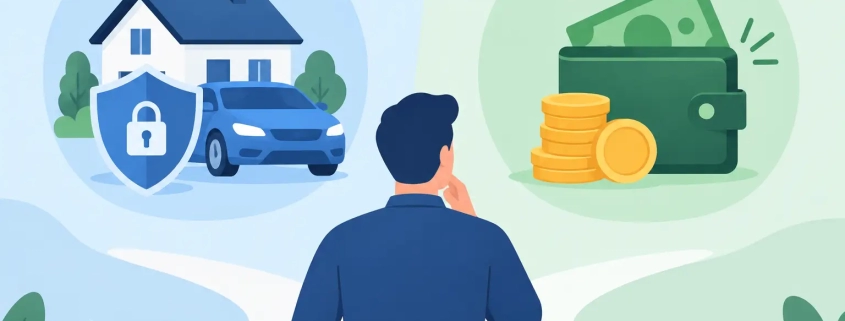
A broken work vehicle, overdue supplier account or unexpected bill does not wait for a bank appointment. Asset lending vs unsecured loans is a practical choice when you need cash quickly: borrow against something valuable you own, or apply based mainly on your income, credit history and ability to repay.

For many Queenslanders, the answer comes down to what is available right now. If you own a registered, roadworthy vehicle or worthwhile equipment outright, an asset-backed loan can offer a direct path to funds without the usual credit-based hurdles. But the security you provide also creates a real responsibility. Know the difference before you borrow.

Asset lending vs unsecured loans: the main difference

An asset-backed loan is secured by an asset. That may be a car, ute, motorbike, truck, van, boat, jet ski, caravan or machinery. The lender assesses the asset’s resale or wholesale value and uses it as security for the loan. At AutoPawn, eligible customers may be able to borrow up to 55% of the asset’s wholesale value.

An unsecured loan has no specific asset attached to it. Instead, the lender usually looks closely at your credit report, income, employment, existing debts and regular expenses. Approval is based on whether the lender believes you can make the repayments from your cash flow.

That one difference affects nearly everything else: approval time, paperwork, the amount you may borrow, the questions you are asked and what happens if the loan is not repaid.

When speed matters, the approval process is different

Unsecured lenders generally need to build a picture of your financial position. That can mean supplying payslips, bank statements, identification, details of your expenses and consent for credit checks. Even where an online application is fast, the assessment still relies on your financial history and documented capacity to repay.

Asset lending starts with the item you own. A lender needs to confirm what it is, whether you own it outright and what it is worth. For vehicle-backed lending, the vehicle generally needs to be unencumbered, registered and roadworthy. Its make, model, age, condition and market demand can all affect the amount offered.

This can suit a self-employed tradie whose income changes week to week, a small business owner between invoices, or someone whose credit history is not where they want it to be. The asset is doing much of the work in the assessment.

That does not mean there is no assessment. A legitimate lender still needs to identify you, verify ownership and explain the loan terms. It means the focus is on the security rather than a long review of your credit file or income documents.

Credit checks and paperwork

Credit-based borrowing can be difficult if you have missed repayments in the past, recently changed jobs or have a thin credit file. A declined unsecured application may also feel like wasted time when the bill is due today.

With a suitable asset-backed loan, credit checks and proof of income may not be required. That is a major advantage for people who need short-term cash but do not fit a mainstream lender’s checklist. It can also be more private and less intrusive than handing over a detailed record of your financial life.

Before proceeding, ask exactly what the lender needs from you. In many cases, you will need photo identification, proof that the asset is yours and the asset itself for inspection. Be upfront about finance owing on the vehicle, damage, mechanical problems or registration issues. Clear information helps avoid delays.

The trade-off: your asset is the security

The benefit of asset lending is clear: a valuable item can help you access cash fast. The trade-off is equally clear: if you do not meet the agreed loan terms, the lender may have rights over the secured asset.

That is why this type of loan should never be treated as free money or a long-term fix for ongoing financial pressure. Only borrow an amount you have a realistic plan to repay, including all interest, fees and charges. Read the agreement carefully and make sure you understand the due date, the total repayment amount, extension options and what may happen if you cannot repay on time.

With an unsecured loan, the lender does not hold a specific car or piece of equipment as security. However, missed repayments can still lead to late fees, collection activity, legal action and damage to your credit file. Unsecured does not mean risk-free. It simply means the loan is not tied to one nominated asset at the start.

How much can you borrow?

An unsecured lender may set a limit based on your income, expenses, credit score and existing debts. Someone with stable income and strong credit may qualify for more than someone whose finances are stretched. The advertised maximum is rarely the amount every applicant receives.

Asset-backed lending is based mainly on what your asset is worth. A late-model, well-kept work ute with no finance owing may support a higher loan amount than an older vehicle with body damage or mechanical faults. The loan offer is usually a percentage of wholesale value, not the price you originally paid or a hopeful private-sale figure.

This is worth keeping in mind if you need a precise amount. Get a clear valuation and loan offer first. If the available amount does not solve the immediate problem without creating another one, reconsider the plan rather than borrowing in a rush.

Which option suits your situation?

Asset lending may make sense when you own an eligible asset outright, need funds quickly and do not want your approval to hinge on a credit check or income paperwork. It can be particularly useful for short-term situations such as urgent repairs, catching up on essential bills, replacing work tools or bridging a gap before an expected payment arrives.

An unsecured loan may suit you better when you have steady income, a solid credit profile and time to go through a more detailed application. It may also be preferable if putting a vehicle, boat or work machinery up as security would create too much risk for you.

Think about how essential the asset is. If your truck, ute or machinery is central to earning an income, take the repayment commitment seriously. A loan can relieve pressure today, but it should not put your ability to work at risk tomorrow.

Questions to ask before you sign

Do not choose a loan based only on how quickly the money can land in your account. Ask what you will repay in total, when it must be repaid and whether there are fees for extending or finalising the loan. Confirm who holds the asset and what the arrangements are while the loan is active.

You should also ask what happens if your circumstances change. A good lender will explain the process plainly, without hiding behind fine print or pushing you to borrow more than you need. Since 1992, AutoPawn has focused on straightforward, asset-backed cash loans for people who need an answer quickly, not a runaround.

The right choice is the one you can clearly understand and realistically repay. If your vehicle or equipment has value and the need is short term, an asset-backed loan may be the practical option. Take a breath, check the terms, and borrow only what gets you through the immediate gap.

Bank Loan Versus Pawnbroking: Which Is Faster?

A broken work ute, overdue supplier invoice or surprise repair bill does not wait for a bank appointment. When cash is needed quickly, the question of bank loan versus pawnbroking comes down to one thing: can you access the money you need in time, without making an already stressful situation harder?

A bank loan may suit planned spending and borrowers with time, steady income and a strong credit history. Pawnbroking can suit an urgent, short-term cash gap when you own a valuable asset outright and want a straightforward path to funds. Neither option is automatically right for every person. The useful choice is the one that matches your deadline, your ability to repay and the asset you are prepared to use as security.

Bank loan versus pawnbroking: the key difference

A bank generally lends based on you as the borrower. It looks at your income, regular expenses, existing debts, credit history and ability to make repayments. Even when a bank loan is unsecured, the bank needs confidence that your finances support the loan.

Pawnbroking works differently. The loan is secured against an item of value, such as a car, motorbike, boat, caravan, ute, van or machinery. The lender assesses the asset and offers an amount based on its value, rather than making the decision primarily on your credit score or employment paperwork.

That difference matters if your vehicle or equipment has equity but your financial paperwork is not picture-perfect. A recent job change, a credit issue, variable self-employed income or a one-off cash-flow problem can slow down a mainstream application. Asset-backed lending gives owners another option to consider.

When a bank loan makes sense

A bank loan can be a sensible choice when you are not under immediate pressure and can comfortably manage regular repayments over a longer period. It may be suitable for a planned purchase, consolidating debts where the numbers genuinely stack up, or a larger expense that needs a structured repayment schedule.

Banks can offer competitive rates for borrowers who meet their criteria. However, approval is not only about the advertised rate. You may need to provide payslips, bank statements, identification, details of your expenses and information about existing loans. The lender may conduct a credit check and assess whether the repayments are affordable.

For some people, that process is manageable. For others, it is the reason a bank loan is not practical. If your mechanic needs payment today, waiting days for an application decision may not solve the immediate problem. An application can also be declined, even where you own a valuable vehicle outright.

A bank loan is usually the better fit if you have time to compare offers, predictable income and a repayment plan that works over months or years. It is less useful when speed is your first priority.

When pawnbroking can be the practical option

Pawnbroking is built for short-term access to cash against an asset you already own. Rather than applying for an unsecured personal loan and hoping your financial profile meets the lender’s criteria, you put forward the asset as security.

For vehicle-backed pawnbroking, the vehicle or equipment needs to be unencumbered, registered and roadworthy. Its condition, make, model, age and market demand all affect the loan amount. A lender may advance a percentage of the asset’s wholesale value, so the amount available will not necessarily match what you paid for it or its retail asking price.

The main advantage is speed and simplicity. Where the asset is suitable and ownership can be confirmed, the assessment focuses on the vehicle rather than a lengthy review of your income, expenses and credit file. That can make a real difference for a tradie with a short-term gap before a customer payment lands, a small business owner covering wages, or a family dealing with an unexpected bill.

At AutoPawn, eligible customers can seek cash against vehicles and equipment without credit checks, proof of income, application fees or the usual bank-style paperwork. The amount offered is based on the asset, with advances of up to 55% of wholesale value. That is a practical option for owners in Brisbane and the Sunshine Coast who need a clear answer quickly.

Speed is not the only comparison

It is easy to focus on how fast the money arrives. But before choosing a bank loan or pawnbroking loan, look closely at what happens after you receive the funds.

With a bank loan, you will usually make scheduled repayments. Missing repayments can lead to fees, collection activity and damage to your credit file. Because a bank loan can run over a longer term, it is important to understand the total amount you will repay, not just the weekly or monthly figure.

With pawnbroking, you borrow against a specific asset for an agreed period. You need to understand the repayment date, the loan charges, any available extension process and what happens if you cannot redeem the item. If the loan is not repaid under the agreed terms, the secured asset may be sold to recover the loan balance.

That is why pawnbroking is best treated as a short-term solution, not a way to carry ongoing financial pressure month after month. If you have a clear source of funds coming soon, such as an invoice payment, sale proceeds or a known work payment, an asset-backed loan may be a practical bridge. If there is no realistic repayment path, pause before borrowing and consider getting financial support or budgeting advice first.

Compare the real cost, not just the headline

A lower advertised interest rate does not always mean a cheaper or more suitable loan for your circumstances. A bank loan can include establishment fees, monthly fees, late fees and interest over a longer term. Pawnbroking has its own charges and conditions, which should be clearly set out before you accept the loan.

Ask for the total amount required to redeem your asset by the due date. Read the contract carefully and make sure you understand each fee, the exact due date and the consequences of late payment. A reputable lender should explain the process in plain language and give you the information you need to decide.

It also pays to be realistic about the value of the item. Do not borrow the maximum simply because it is available. Borrow what solves the immediate problem, then keep the repayment amount within reach. A smaller loan against a vehicle you value can reduce pressure when redemption day arrives.

Questions to ask before using your vehicle as security

Before arranging a pawnbroking loan, make sure the vehicle is genuinely yours to use as security. If it still has finance owing, is under a lease, or is subject to another claim, it may not qualify. Gather your identification and ownership details so the assessment can move quickly.

Then ask yourself whether you can manage without the asset for the loan period. For many people, a work vehicle is essential to earning an income, so the practical impact matters just as much as the loan amount. Be upfront about how the vehicle is used and ask how it will be handled while it is held as security.

Finally, make your repayment plan specific. Do not rely on a vague hope that things will improve. Identify where the redemption money is coming from, when it is due to arrive and what you will do if it is delayed.

Choose the option that fits the deadline

A bank loan can work well when you have time, meet lending criteria and want a longer repayment structure. Pawnbroking can work well when you need fast cash, own an eligible asset outright and have a clear plan to repay and redeem it.

The best decision is not about pride or a perfect credit score. It is about choosing a straightforward solution that deals with the immediate pressure without creating a bigger problem later. If you have a valuable vehicle or piece of equipment and a short-term cash gap, get the facts, know the repayment date and make the decision with your eyes open.

Jet Ski Loan Against Equity for Fast Cash

A jet ski sitting in the shed or garage can be more than a weekend escape. If you own it outright, it may be the asset that helps cover an urgent bill, repair, business expense or temporary cash-flow shortfall. A jet ski loan against equity lets you borrow against the value already built up in your watercraft, rather than relying on your credit score or lengthy bank approval process.

For Queensland owners who need a practical answer quickly, it can be a straightforward option. The key is knowing what your jet ski is worth, what the lender needs to see, and what happens if you cannot repay the loan on time.

How a Jet Ski Loan Against Equity Works

Equity is the value you have in an asset after any finance owing on it has been paid out. If your jet ski is fully paid off, the equity is generally its current market value. A lender assesses that asset and offers a loan based on its wholesale value, rather than assessing your payslips, credit history or bank statements.

With a vehicle-backed pawn loan, your jet ski is used as security for the money borrowed. The loan amount is based on the condition, age, make, model and resale value of the craft. At AutoPawn, loans can be advanced up to 55% of wholesale asset value, subject to assessment.

This is different from an unsecured personal loan. With an unsecured loan, the lender is mainly judging your ability to repay from income and your credit record. With a jet ski equity loan, the watercraft provides the security. That can make a real difference if you need money fast and do not want to spend days gathering paperwork for a bank.

The lender will still need to confirm that you own the jet ski and that there is no finance registered against it. A registered, well-maintained craft in good operating condition is generally easier to assess and may support a stronger loan amount.

When a Jet Ski Loan Makes Sense

A jet ski loan is designed for short-term cash needs, not as a long-term replacement for household budgeting or ongoing business finance. It may suit you when the expense is urgent, the timing matters, and you have a valuable watercraft that is not being used to secure another loan.

For example, you may need to pay for an unexpected vehicle repair so you can get back to work. A tradie might need to cover supplier costs until an invoice is paid. A family could be facing an emergency medical, home or school expense that cannot wait until payday. In these situations, the speed of a secured asset loan can be the deciding factor.

It may not be the right move if the repayments will stretch your budget too far or if the jet ski is an asset you cannot afford to lose. Because the loan is secured, failing to meet the agreement can put the watercraft at risk. Be clear about your repayment plan before you proceed.

What Lenders Look For in Your Jet Ski

The better the condition and paperwork, the smoother the process is likely to be. A lender will usually look at the jet ski itself, its ownership status and whether it can be resold if necessary.

The most relevant factors include the make and model, year of manufacture, hours of use, overall condition, service history, registration details and any included trailer. Popular models with a solid resale market may be more valuable than older or heavily worn craft. Damage, mechanical problems, missing identification details or registration issues can reduce the amount available.

If your jet ski has a trailer, bring the trailer details too. A matched jet ski and trailer package may have greater value than the craft on its own. Accessories can help show that the jet ski has been looked after, but they do not always add dollar-for-dollar value to the assessment.

Before applying, clean the craft, take any personal gear out of storage compartments and gather the documents you have. Registration papers, photo identification, purchase records and service invoices can help confirm ownership and condition without wasting time.

The Fast-Cash Process

The process should be simple. You provide basic details about the jet ski, the lender assesses it, and you receive a clear offer. If you accept the terms and complete the required documentation, funds may be available the same day.

Unlike many mainstream finance applications, an asset-backed loan may not require a credit check, proof of income, application fees or a stack of bank paperwork. That is useful when your credit file is not perfect, you are self-employed, or you simply need an answer without a drawn-out process.

Speed does not mean skipping the details. Read the loan agreement carefully and make sure you understand the loan amount, fees, repayment date, extension options and what will happen if you cannot redeem the jet ski. Ask questions before signing, not after the due date arrives.

How Much Can You Borrow Against a Jet Ski?

There is no single figure that applies to every watercraft. The amount depends on its assessed wholesale value, not what you originally paid or what similar listings might be advertised for online. Retail asking prices are often higher than the amount a buyer would realistically pay in a wholesale sale.

A newer, low-hour jet ski with current registration, a clean presentation and a suitable trailer will usually be assessed more favourably than an older craft requiring repairs. If there is finance owing, that also needs to be considered. In most cases, the asset needs to be unencumbered before it can be used as security.

A practical approach is to borrow only what you need to solve the immediate problem. Borrowing the maximum available may feel useful in the moment, but it also means a larger amount to repay. Keeping the loan focused on the expense in front of you can make redemption more manageable.

Questions to Ask Before You Go Ahead

Do not judge a loan on speed alone. A good lender should be upfront about the full cost and the terms. Ask how the jet ski is valued, what documentation is required, when payment is due and whether you can extend the loan if circumstances change.

You should also ask where the jet ski will be stored while it is held as security, how it is protected, and what you need to bring when it is time to redeem it. Clear answers matter. You are using an asset you have worked hard to own, so there should be no confusion about the arrangement.

It is also worth considering whether another asset would be a better fit. If your jet ski is essential to your work or family plans, a car, motorbike, boat, caravan, ute or machinery may be more suitable security if you own it outright and it meets the lender’s requirements.

Get Clear Before You Need the Cash

A jet ski loan against equity can turn an owned asset into immediate breathing room when bills do not wait. It works best when you know the value of your craft, understand the repayment terms and have a realistic plan to redeem it. Get the details clear, borrow with purpose, and use the cash to deal with the pressure in front of you.

How to Value Work Truck Equity for Fast Cash

A broken tool, overdue supplier account or slow-paying invoice can put pressure on any trade business. Knowing how to value work truck equity gives you a practical way to assess whether the truck you already own could help cover a short-term cash gap without going through a bank.

Your work truck is more than transport. It may be one of your business’s most valuable assets, especially if it is registered, roadworthy and owned outright. The usable equity in that truck depends on its current market value, its condition and whether any finance is still attached to it.

What does work truck equity mean?

Work truck equity is the difference between what your truck is worth today and what you still owe on it. If your truck is fully paid off, the equity is generally its current value. If there is finance owing, the outstanding balance needs to be taken away from the truck’s value first.

For example, if a 2019 dual-cab ute has a current wholesale value of $40,000 and you owe nothing on it, you have $40,000 in gross equity. If you still owe $12,000, your equity is about $28,000. That does not mean a lender will advance the full equity amount. Vehicle-backed lenders set their loan amount as a percentage of assessed wholesale value, taking the truck’s condition and lending criteria into account.

At AutoPawn, loans can be advanced up to 55% of an asset’s wholesale value, subject to assessment. That means a truck valued at $40,000 wholesale may potentially support a loan of up to $22,000 if it meets the relevant criteria. The actual amount will depend on the vehicle and its paperwork.

Why wholesale value matters more than your asking price

It is easy to see similar trucks advertised online and assume that is what yours is worth. But an advertised retail price is not the same as a realistic wholesale valuation. Dealers, private sellers and buyers all have different costs, expectations and room to negotiate.

Wholesale value reflects what the vehicle could reasonably be worth in the trade market. It is a more practical figure for a secured loan because it accounts for the cost and risk involved if the asset ever needed to be sold. Retail advertisements can be useful for a rough comparison, but they often include dealer margins, warranties, preparation costs and optimistic asking prices.

A clean late-model tray truck with sensible kilometres, a solid service history and a reliable engine will usually hold stronger value than a similar truck with heavy wear, poor maintenance records or mechanical issues. Modifications can help or hurt. Quality accessories such as toolboxes, service bodies, tow packages and well-fitted canopies may add appeal, while poorly completed modifications can reduce it.

How to estimate the value of your work truck equity

You do not need to be a vehicle valuer to form a sensible estimate. Start with the truck’s basic details: make, model, year, body type, kilometres, transmission, fuel type and registration status. Then consider its working condition honestly.

A truck that starts easily, drives properly, has no major warning lights and is currently roadworthy will generally be easier to assess than one with known faults. Cosmetic marks are normal on a work vehicle, but accident damage, rust, worn tyres, cracked windscreens and major interior damage can affect the figure.

Next, confirm whether there is any money owing. Check your finance payout figure rather than guessing from an old statement. If the truck is unencumbered, this step is simple. If finance remains, a secured loan against the truck may not be available until that interest is dealt with. A lender needs confidence that the vehicle can be used as security without another party having a stronger claim over it.

Use this simple calculation as a starting point:

Estimated equity = current assessed truck value – finance owing

Then remember that your available loan amount may be lower than the equity. This is normal. A loan against an asset is based on an agreed lending percentage, not just the maximum amount you might hope to receive.

A practical example

Say you own a 2021 Isuzu tray truck used for electrical work. It is registered in Queensland, has been serviced regularly and has no finance owing. An assessment places its wholesale value at $55,000. If the lender can offer up to 55% of wholesale value, the potential loan could be up to $30,250.

Now change the situation. The same truck has $18,000 left on finance. Even though it may still have value above that balance, the existing encumbrance complicates matters. You would need to discuss the payout and ownership position before relying on the truck as loan security.

What can increase or reduce a truck’s value?

Every work truck has its own story. A plumbing ute that has been looked after may be worth more than a newer vehicle that has spent its life overloaded on rough sites. Age matters, but condition and demand matter too.

The strongest valuations usually come from trucks that are registered, roadworthy, owned outright and supported by clear documentation. A current service history, spare keys, clean ownership details and a well-maintained presentation can all make the assessment easier.

On the other hand, these issues can reduce the assessed value or affect eligibility:

  • Existing finance, leases or other encumbrances
  • Major mechanical faults or an inability to pass a roadworthy check
  • Written-off history, serious accident damage or significant rust
  • Very high kilometres for the vehicle’s age and class
  • Missing registration documents or unclear ownership
  • Unusual modifications that limit resale demand

That does not mean every imperfection rules a truck out. Work vehicles are expected to show signs of use. The key question is whether the vehicle remains a reliable, saleable asset with clear legal ownership.

When using truck equity can make sense

A vehicle-secured loan is not designed for every financial need. It can be a practical option when you need funds quickly and have a valuable truck sitting in the driveway, workshop or yard. Tradespeople and small business owners commonly face short-term pressure from equipment repairs, wages, urgent bills, tax obligations, supplier payments or a delayed customer payment.

The major advantage is that the lending decision focuses on the asset rather than your credit score or income paperwork. If traditional lenders have knocked you back, or their process is simply too slow for the problem in front of you, a loan against an eligible work truck may offer another path.

Speed does not remove the need to think carefully. You should borrow only what you can realistically repay under the loan terms. Before proceeding, ask about the total repayment amount, loan period, fees, what happens if you need more time, and what happens if you cannot repay. Clear answers matter.

What you will usually need for an assessment

The process is generally straightforward, but the lender needs enough information to confirm the truck’s identity, ownership and condition. Have your photo identification, truck registration details and proof that you own the vehicle available. If there was previous finance, documents showing it has been paid out may also be needed.

The truck will need to be inspected or assessed. Be upfront about kilometres, repairs and any issues. Trying to hide a fault wastes time and can lead to a different outcome once the vehicle is checked. Straight answers help get to a clear decision faster.

For eligible, unencumbered and roadworthy trucks, AutoPawn can provide same-day vehicle-backed loan assessments without credit checks, proof of income or the usual bank paperwork. The focus is on the asset you own and whether it meets the lending requirements.

Keep the decision focused on the job at hand

Your truck may be essential to earning income, so think through how any secured loan fits around your work. Know the repayment date, keep communication open if circumstances change, and avoid taking more cash than the immediate problem requires. Fast cash is most useful when it solves a defined short-term issue rather than creating another one.

Before the next unexpected bill lands, gather your registration papers, check whether the truck is fully paid off and take an honest look at its condition. A work truck with clear ownership and solid value can give you options when cash flow gets tight.

Vehicle Pawnbroking: Fast Cash Against Your Asset

A surprise bill does not wait for bank approval. If you own a vehicle or work asset outright, vehicle pawnbroking can give you a practical way to access cash quickly without putting your credit history, payslips or weeks of paperwork under the microscope.

It is straightforward secured lending. The value of your asset supports the loan, rather than your employment record or credit score. For people dealing with urgent repairs, overdue bills, a slow-paying customer or a short-term business gap, that difference can matter.

What vehicle pawnbroking actually means

Vehicle pawnbroking is a short-term loan secured against an asset you own. That asset may be a car, motorbike, ute, truck, van, caravan, boat, jet ski or eligible machinery. Instead of assessing you like a bank would, the lender assesses the asset’s condition, ownership status and current wholesale value.

You bring the asset in for an appraisal, agree to the loan terms, leave the asset as security and receive the funds. With a reputable operator, the process is clear: you know the loan amount, fees, repayment date and what is required to redeem your vehicle.

This is not the same as selling your car. You remain the owner while the loan is active. Once you repay the agreed amount within the loan term, you collect your asset. If you decide not to proceed after an appraisal, there is no obligation to take the loan.

When a loan against your vehicle makes sense

This type of lending is designed for speed and a defined need, not for funding an ongoing spending habit or solving a long-term debt problem. It can be useful when the amount you need is clear and you have a realistic plan to repay it.

A tradesperson may need cash to cover materials before an invoice clears. A family might be hit with an emergency home repair. A small business owner may have equipment costs, wages or registration due before the next busy period. In each case, waiting days for a traditional lender can create a bigger problem than the original bill.

Vehicle pawnbroking may also suit people who have had credit issues, are self-employed, work casually or simply do not want to hand over extensive financial records for a short-term loan. There are no credit checks, proof of income requirements or application fees in the usual sense because the asset is the security.

That does not mean it is automatically the right answer for every situation. If you cannot see a genuine path to repayment, or you need the vehicle every day and cannot leave it in secure storage, consider your options carefully before committing.

What makes an asset eligible?

The strongest loan candidates are registered, roadworthy and unencumbered assets. Unencumbered means there is no finance owing over the vehicle and no other party with a legal claim to it. You need to be the legal owner and be able to provide identification and ownership documents.

Condition matters. A clean, well-maintained vehicle with current registration generally gives the appraiser more confidence than an asset needing major repairs. The age, make, model, kilometres, service history and market demand can all affect its wholesale value.

For machinery, commercial vehicles and recreational assets, the same principle applies. Clear ownership, usable condition and a resale market are key. An appraisal is not based on the highest private-sale advertisement you can find. It is based on a realistic wholesale value, which reflects what the asset could reasonably sell for through trade channels if it were not redeemed.

At AutoPawn, loans may be available up to 55% of an eligible asset’s wholesale value. The final amount depends on the individual asset and appraisal. A higher-value vehicle does not automatically mean you should borrow the maximum available amount. Borrow what you need and can comfortably repay.

How the process works

The appeal is not complicated. You make contact, provide basic details about the vehicle or equipment, then arrange an appraisal. If the asset meets the lending criteria and you accept the offer, the agreement is completed and funds can be available the same day, often within the hour.

Bring photo identification, proof that you own the asset, registration details where relevant, and keys or accessories that form part of the vehicle. Being upfront about condition, damage, finance and registration saves time. A quick process depends on accurate information.

Once the loan is paid out, the asset is stored securely for the agreed term. It is not being driven around or hired out. You can redeem it by repaying the loan and agreed charges by the due date, subject to the terms of your agreement.

Before signing, take a minute to read the paperwork properly. Fast should never mean unclear. Ask what the repayment total is, when it is due, what happens if you need more time, and what steps apply if the loan is not repaid. A professional lender will answer directly.

Why this can be faster than a bank loan

Banks and mainstream lenders normally need to assess your income, expenses, credit file and ability to meet regular repayments. That approach suits longer-term finance, but it is not built for someone who needs funds today and already owns a valuable asset.

With a vehicle-backed pawn loan, the asset does much of the work. There is no lengthy credit assessment and no need to wait for a lender to review bank statements, employment history or tax returns. The appraisal and ownership checks are the focus.

The trade-off is equally clear: your vehicle or equipment is held as security. You will not have use of it until the loan is redeemed. For a second car, weekend boat, caravan or machinery that is temporarily idle, that may be manageable. For the ute you need on site every morning, it may not be.

Questions to ask before you pawn a vehicle

Do not choose a lender on speed alone. You are trusting someone with a valuable asset, so clarity and experience count. Ask whether the premises provide secure storage, whether the lender has been operating for years, and whether every cost is set out in writing before you agree.

You should also confirm the exact loan term, redemption process and whether an extension may be possible if your circumstances change. Avoid making assumptions based on an advertised maximum loan amount. Your offer should be based on your actual asset, not a headline figure.

It is sensible to check your vehicle for personal items before handing it over. Remove tools, toll tags, documents, garage remotes and anything you need from the glovebox, console or boot. Take photos of the asset’s condition for your own records and keep a copy of your loan agreement somewhere safe.

A practical option when time is tight

A pawn loan is about turning an asset you already own into short-term breathing room. It does not require you to explain every detail of your financial history, but it does require you to understand the agreement and have a repayment plan.

If your car, bike, boat, truck or machinery is owned outright and you need cash without the usual bank delays, vehicle pawnbroking can be a direct, discreet option. Get the asset assessed, know the terms before you sign, and use the funds to deal with the immediate issue in front of you.

Cash Without Payslips With Your Vehicle

A surprise mechanic’s bill, overdue supplier account or urgent household expense does not wait for your next pay cycle. If you own a vehicle or piece of equipment outright, cash without payslips could be an option without the usual bank paperwork, credit checks or lengthy assessment.

The key difference is simple: rather than judging your application on a payslip, employment history or credit score, a vehicle-backed lender assesses the asset you offer as security. That can make a real difference when you need money quickly and traditional finance is not practical.

How cash without payslips works

A vehicle-backed pawn loan is secured against an eligible asset you own. The value, condition and legal status of that asset form the basis of the loan decision. This is not an unsecured personal loan where a lender relies mainly on your income, expenses and credit file.

For the right asset, the process is straightforward. You provide the vehicle or equipment details, the lender checks its condition and value, and you receive a loan offer based on that assessment. With AutoPawn, loans can be advanced up to 55% of the asset’s wholesale value, subject to the vehicle and loan terms.

That does not mean every vehicle will qualify or that the full value of an asset can be borrowed. The lender needs enough equity in the asset to secure the loan. A late-model, well-maintained car with clear ownership will usually be assessed differently from an older vehicle with mechanical issues or finance owing on it.

What you generally need instead of payslips

No proof of income does not mean no checks at all. A reputable lender still needs to establish that the asset is yours, is legal to lend against and has enough value to support the amount requested.

In most cases, the vehicle or equipment needs to be unencumbered, registered and roadworthy. Unencumbered means there is no existing finance secured against it. You will also need identification and ownership details so the lender can confirm the asset is yours to use as security.

Cars, utes, motorbikes, vans, trucks, boats, jet skis, caravans and machinery may be suitable, depending on their condition, age and market value. This can suit tradespeople with work equipment, small business owners with machinery, or everyday vehicle owners who need a short-term cash solution.

The asset matters more than your payslip, but honesty still matters. Be clear about the vehicle’s condition, any damage, modifications and outstanding finance. Accurate details help avoid delays when you are trying to get funds quickly.

Why banks are not always the right fit for urgent cash

A bank loan can be useful when you have time, steady documented income and a clean credit history. But it may not fit an urgent situation. Applications can involve income evidence, bank statements, expense reviews and credit checks. Even when approved, the process may take longer than your bill deadline allows.

For someone who is self-employed, between jobs, paid irregularly, rebuilding after credit problems or simply unable to produce recent payslips, those requirements can become a barrier. That does not automatically mean you cannot access funds. It means you may need a lending option built around an asset you already own.

A secured pawn loan is designed for that situation. The decision is based on the vehicle or equipment, not whether your paperwork fits a bank’s standard lending box. It is a practical option when speed and discretion matter.

The process should be quick and clear

When money is tight, complicated applications add stress. A vehicle-backed loan should be easy to understand from the first conversation.

Start by providing the basic details of your asset: make, model, year, kilometres or hours used, registration and general condition. The lender will assess its likely wholesale value and check whether it meets the lending criteria. You will then be told the amount available and the loan terms before proceeding.

If the offer works for you, the paperwork is completed and funds can be available the same day. For eligible assets, cash may be available within the hour. There should be no application fee surprises and no vague promises about what you will receive.

Ask exactly what happens to your vehicle or equipment for the term of the loan, when repayment is due, what the charges are and what options apply if you need more time. A good lender will answer directly. Fast finance should not mean rushed decisions.

Is a no-payslip loan right for you?

Cash without payslips is useful for a short-term gap, not a replacement for ongoing income. It can make sense when the expense is urgent, you have an eligible asset with clear ownership and you have a realistic plan to repay or redeem the loan under the agreed terms.

For example, a plumber may need funds to repair a work vehicle before the next run of jobs. A family may need to cover an unexpected medical cost while waiting for money already due to arrive. A small operator may need to bridge a gap between completing a contract and receiving payment. In these cases, an asset-backed loan can turn an item of value into immediate working cash.

It may be less suitable if you are unsure how you will meet the repayment terms. Because the loan is secured, failing to redeem it can put the asset at risk. That is the trade-off for avoiding the usual income checks and receiving funds quickly.

Before you proceed, consider the total amount you need, the repayment date and whether selling another item, negotiating a bill extension or waiting for incoming funds would be a better option. Borrow only what solves the immediate problem. Taking more than you need can make a short-term pressure harder to manage.

Know the value of the asset you are using

People often think in terms of retail prices they see in online ads. A lender will usually assess wholesale value instead. Wholesale value reflects what an asset could reasonably realise in a trade or resale setting, allowing for condition, demand, age and the cost of preparing it for sale.

That is why the amount offered may be lower than an advertised private-sale price. It is not a hidden catch. It is how secured lending manages risk and makes fast funding possible without relying on your income documents or credit profile.

You can help support a quicker assessment by presenting the asset cleanly and providing accurate information. Service history, spare keys, registration papers and details of recent repairs may assist where relevant. They will not turn an unsuitable asset into a suitable one, but they can help establish its condition and value.

A practical option when the clock is ticking

Financial pressure can happen to anyone, including people who work hard, run a business and own valuable assets. If you need funds now but do not have payslips ready or do not want a credit check standing in the way, your car, ute, motorbike, boat or machinery may offer another path.

The sensible move is to deal with an experienced local lender, read the terms carefully and make sure you understand the repayment date and your responsibilities. When the loan is based on an asset you own outright, fast cash can be less about explaining your past and more about solving the problem in front of you.

Vehicle Cash Release Options When Time Matters

A rego bill, supplier invoice or sudden repair can put pressure on your cash flow fast. Vehicle cash release options can turn value you already own into money for the immediate problem, without waiting through the usual bank loan process. The right option depends on how quickly you need funds, whether the asset is fully owned, and what you can realistically repay.

For many Queensland vehicle owners, the key is not finding the biggest possible loan. It is finding a clear, fair short-term solution that does not create a bigger problem next month. Know what you are offering as security, what it will cost, and what happens if you cannot repay on time before you sign anything.

What are vehicle cash release options?

Vehicle cash release means borrowing against the value in a vehicle or piece of equipment you own. Instead of a lender making its decision mainly on your credit score, payslips or lengthy financial history, the asset is used as security for the loan.

This can suit people who have a car, ute, motorbike, truck, boat, caravan, jet ski or machinery with usable value but need cash now. It is also relevant for tradies whose income is solid over the year but uneven from week to week, and small business owners waiting on customers to pay invoices.

The amount available is based on the asset’s assessed value, condition, market demand and ownership status. A lender may look at wholesale value rather than the price you would hope to get in a private sale. At AutoPawn, loans can be advanced up to 55% of wholesale asset value, subject to assessment.

The main ways to access cash from a vehicle

A vehicle-backed pawn loan

With a vehicle pawn loan, your vehicle is security for a short-term loan. The lender assesses the asset, agrees on a loan amount and keeps the vehicle securely stored for the loan period. Once you repay the agreed amount and charges, you redeem your vehicle.

This is often the most direct choice when speed matters and you own the vehicle outright. It may avoid credit checks, proof of income and the paperwork tied to a traditional personal loan. That does not mean the decision should be rushed. You need to be comfortable leaving the vehicle as security and certain you understand the repayment date and total amount due.

If the loan is not repaid or extended under the agreed terms, the vehicle may be sold to recover the debt. That is the central trade-off. Only use this option for a genuine short-term gap with a repayment plan, not for ongoing expenses that keep returning.

A secured vehicle loan where you retain use

Some lenders offer loans secured by a vehicle while you keep driving it. This can be useful if the vehicle is essential for getting to work, completing jobs or moving stock. However, it is not always available, and the approval requirements, fees, interest and security arrangements can differ significantly.

Read the contract closely. Check whether there are limits on selling the vehicle, taking it interstate, changing insurance or missing repayments. Ask how the lender registers its interest in the asset and what action it can take if the account falls behind.

Keeping the vehicle may sound more convenient, but it can also come with a longer repayment commitment. Compare the total cost, not just the weekly amount.

Selling the vehicle privately or to a dealer

Selling can release more money than borrowing because you are not paying loan charges. It may be the right move if you no longer need the asset, have a second vehicle, or the running costs are causing ongoing pressure.

The downside is time. A private sale may take weeks, and buyers often negotiate hard or fail to show up. A dealer sale is quicker but usually produces less than a well-managed private sale. If the need is urgent and you need the vehicle back after the cash gap has passed, selling is not the same as a vehicle-backed loan.

Refinancing existing vehicle finance

If you still owe money on your vehicle, refinancing may reduce repayments or consolidate debt. It is generally a slower option because the new lender will review your finances, confirm the payout figure and assess the vehicle. It can help in the right circumstances, but it is not usually a same-day answer to an emergency bill.

Be cautious about stretching a short-term problem across years of repayments. A lower weekly figure can still mean paying substantially more overall.

Is your vehicle likely to qualify?

Most asset-backed lenders look for an unencumbered vehicle. That means it is fully paid off and no other finance company has a claim over it. The vehicle should generally be registered, roadworthy and in reasonable condition.

A current registration certificate, photo identification and proof that you own the asset are commonly required. Bring spare keys, service history and any documents that support the vehicle’s condition or value where available. For machinery and specialised equipment, serial numbers, purchase documents and maintenance records can help make the assessment clearer.

Not every asset will suit. Very old vehicles, damaged vehicles, unregistered vehicles or assets with finance owing may have limited lending value. Market demand matters too. A clean, popular ute in good order is usually easier to assess than a highly modified vehicle with a narrow buyer market.

Questions to ask before you release cash from a vehicle

A fast process should still be a transparent one. Before agreeing to any vehicle-backed loan, ask for the total repayment amount in dollars, the loan term, all fees and charges, and the options if you need more time.

Also ask where the vehicle will be kept, whether it is insured while in storage, and how quickly it can be collected once the loan is repaid. If the vehicle is your livelihood, be honest about that from the start. The best option may be different when your ute, van or machine is needed on site every day.

Do not rely on a verbal estimate alone. Make sure the agreed loan amount, due date and conditions are written down. If any part of the arrangement feels unclear, stop and get it explained in plain English.

A practical way to choose between vehicle cash release options

Start with the urgency. If the bill is due today and you own a suitable asset outright, a short-term vehicle pawn loan may be more practical than applying for bank finance or waiting for a private sale. If you need the vehicle every day, investigate whether a retain-use secured loan is available, then compare its full cost with other choices.

Next, work backwards from your repayment date. Identify exactly where the funds to repay the loan will come from: an invoice due, upcoming wages, a tax refund or a confirmed job. If the answer is uncertain, borrow less, negotiate the bill directly, or look for another solution. Borrowing against an asset you cannot afford to lose is a serious decision.

Finally, use the loan for the purpose that protects your position. Covering an urgent mechanic’s repair that keeps your work vehicle earning can make practical sense. Using short-term secured finance for routine spending, gambling, or a long-running budget shortfall is far riskier.

Fast cash should still be a considered decision

Vehicle-backed lending exists because plenty of people have real value tied up in assets while cash is tight. It can be a straightforward option when a bank is too slow, credit history is getting in the way, or you simply need a short-term bridge.

The strongest choice is the one you understand from the first dollar to the last. Choose a lender that explains the assessment, storage, charges and repayment terms clearly, then use the funds to solve the immediate issue with a realistic plan to get your asset back.

How to Unlock Equity From a Registered Van

A registered van can be more than a work vehicle sitting in the driveway or on site. If you own it outright and need funds quickly, you may be able to unlock equity from a registered van through a loan secured against the vehicle itself. That can mean cash within the hour for an urgent bill, supplier payment, repair, or short-term gap in the books – without the drawn-out process of a bank loan.

For tradies, couriers, small business owners and families across Southeast Queensland, the point is simple: use the value you already own rather than waiting weeks for a lender to assess your credit history.

What equity in a registered van means

Equity is the portion of your van’s value that you genuinely own. If there is no finance owing on it, the van is unencumbered and its available value may be used as security for a short-term loan. If finance is still attached to the vehicle, it is generally not suitable until that debt has been cleared.

The loan amount is based on the van’s wholesale value, not what you paid for it or what you hope to sell it for privately. Factors such as make, model, age, kilometres, overall condition, service history and current market demand all affect the assessment. A late-model, well-maintained HiAce, Transit, Sprinter or similar commercial van may have stronger lending value than an older vehicle with major mechanical issues.

At AutoPawn, loans can be advanced up to 55% of the wholesale asset value. That lower percentage gives the lender security while helping keep the arrangement clear and practical for the owner.

When using your van for fast cash makes sense

A vehicle-backed loan is designed for short-term pressure, not as a substitute for ongoing income or a long-term financial plan. It can suit a situation where you know funds are coming in but need money now.

For example, you may be waiting on an overdue invoice, have a large job due to start, need to repair equipment, or face an unexpected household expense. A van owner might also need quick working capital to cover materials, wages, registration, insurance or a tax bill. Traditional lenders can ask for payslips, bank statements, credit checks and weeks of follow-up. That is not much help when a supplier needs payment today.

Because the asset is the main security, the focus is on the van rather than your credit score. That may be useful if you have had credit problems, are self-employed, receive irregular income, or simply do not want to hand over a stack of personal financial paperwork.

That said, fast cash is still a serious commitment. Before proceeding, be clear about the repayment amount, the term, fees, interest and what happens if you cannot redeem the vehicle by the agreed date. A straightforward loan should never depend on vague promises or pressure to sign before you understand the terms.

Can your registered van qualify?

The basic requirements are practical. The van generally needs to be registered, roadworthy, owned by you and free from existing finance. You will also need to show identification and evidence of ownership. The vehicle must be available for inspection so its condition and value can be assessed properly.

Registration matters because it helps establish that the vehicle is legally on the road and linked to the correct owner. Roadworthiness matters because serious body, engine, transmission or electrical faults reduce resale value and may affect whether the asset is acceptable as security.

Commercial fit-outs can also influence value. Shelving, roof racks, ladder racks, refrigeration units or specialised equipment may add value in some cases, but only where they are in usable condition and there is market demand. Signwriting does not automatically rule a van out, though it may affect resale appeal. Be upfront about modifications, damage and mechanical issues. A clear assessment is better than wasting time on an amount that cannot be approved.

How to unlock equity from a registered van

The process should be quick and easy to follow. First, provide the van details, including its make, model, year, registration and kilometres. You may be asked about its condition, whether it is financed, and how much you need to borrow.

Next comes a vehicle assessment. This establishes a realistic wholesale value and the amount that may be offered. Do not confuse a private-sale asking price with lending value. Private sales take time, require advertising and negotiation, and often involve buyers trying to bargain the price down. A secured loan is about accessing money quickly while using the asset as collateral.

If an offer is suitable, review the loan agreement carefully before accepting it. Ask questions about the total repayment, due date, storage or security arrangements, extension options if available, and the consequences of default. Once the paperwork is completed, funds can be provided the same day, often within the hour.

There are no credit checks, proof of income requirements, application fees or traditional bank-style loan paperwork. The assessment is based on the vehicle. This makes the process direct, but it does not remove the need to meet the agreed repayment terms.

Selling your van versus borrowing against it

Selling may bring in more money than a secured loan, especially if you have time to prepare the van, advertise it and wait for the right buyer. But it can also leave you without the vehicle you use to earn a living. For a tradie or delivery operator, losing the van could mean losing jobs as well.

Borrowing against a van can be the better option when the cash need is temporary and you want a path to reclaim your asset. You retain the opportunity to redeem it once the loan and agreed charges are paid. The trade-off is that you must be confident you can repay within the loan period. If the loan cannot be redeemed, you risk losing the van.

It depends on your circumstances. If you no longer need the vehicle and want the highest possible return, selling privately may be worth the wait. If the van is valuable, registered and needed for your future plans, a short-term asset-backed loan can provide breathing room without making a permanent decision under pressure.

Get the amount right before you apply

Only borrow what you actually need. A larger approved amount may look tempting when cash is tight, but it also means a larger amount to repay. Work out the immediate expense, consider when your next funds are due, and choose a loan amount that gives you a realistic way to redeem the van.

Have your ID, registration details and ownership information ready. If you know about recent servicing, replacement tyres, mechanical work or valuable fit-out equipment, mention it during the assessment. Good information helps produce a fairer, faster valuation.

A registered van that is sitting idle can offer a practical answer to an urgent cash problem. The key is to treat it as a short-term solution, understand the agreement fully, and borrow with a clear plan to get your vehicle back.

Unencumbered Car Loan Options When Cash Is Tight

A paid-off car can be more than transport when an urgent bill lands. Unencumbered car loan options let you use the value in a vehicle you already own to access money without selling it first. For Queensland drivers dealing with a temporary cash shortfall, that can be a practical alternative to waiting on a bank, applying for an unsecured loan or putting pressure on a credit card.

The key is knowing exactly what is being offered, what your car is worth and what happens at the end of the loan term. Fast cash should be straightforward, not confusing.

What does unencumbered mean?

An unencumbered car is a vehicle that is owned outright. There is no existing finance company, lease provider or other lender with a registered interest in it. Put simply, you have paid the car off and can prove you are the legal owner.

This matters because a lender needs clear security. If your car still has finance owing, another party may have first claim over it. That can limit your choices or mean the existing loan has to be settled before a new secured loan can proceed.

For a vehicle-backed loan, the car will generally need to be registered, roadworthy and in reasonable condition. The make, model, age, kilometres and market demand all affect its value. A clean, well-maintained ute, SUV or late-model family car will usually offer more borrowing power than a vehicle with major mechanical faults or accident damage.

The main unencumbered car loan options

There is no single best option for everyone. The right choice depends on how quickly you need funds, your credit position, how much you need to borrow and whether you can meet the repayment terms.

Vehicle-backed pawn loans

A vehicle-backed pawn loan is designed for people who own an asset and need cash quickly. The lender assesses the car rather than relying mainly on your credit score, payslips or a long bank application. The loan amount is based on a percentage of the vehicle’s wholesale value.

This option can suit someone with an unexpected mechanic’s bill, overdue supplier invoice, rental shortfall or a gap between jobs. It may also help business owners and tradies whose income is irregular but who own a valuable vehicle outright.

At AutoPawn, loans are secured against eligible unencumbered vehicles, with advances of up to 55% of wholesale asset value. The process is built around fast valuations and clear security, rather than credit checks, proof of income or traditional loan paperwork. Cars are only one option – owned motorbikes, boats, caravans, trucks, vans and machinery may also be suitable security.

Before proceeding, ask how the asset is held during the loan, how long the loan runs, what the total repayment will be and what your options are if you need more time. These are practical questions, and a reputable lender should answer them directly.

Bank or credit union secured loans

A bank or credit union may offer a secured personal loan using your car as security. Interest rates can be lower than short-term asset-backed lending, particularly if you have a solid credit history, stable income and time to complete the application.

The trade-off is speed and paperwork. Banks commonly assess your income, living expenses, credit file and ability to repay. Approval is not guaranteed, and the process may not suit an urgent same-day need. If your car is older or has a lower value, it may not meet the lender’s security requirements either.

This route can make sense when you are planning ahead and want a longer repayment period. It is less useful when the electricity bill is due now or your work vehicle needs repairs before tomorrow morning.

Unsecured personal loans

An unsecured personal loan does not use your car as security. You keep the vehicle out of the agreement, but the lender takes on more risk and will usually look closely at your credit score, employment and income.

For borrowers with strong finances, this can be a reasonable option. For people with previous defaults, inconsistent work, limited paperwork or a need for immediate funds, it can be difficult to qualify. High-interest unsecured lenders may approve faster, but you need to compare the full cost carefully, not just the advertised repayment.

Selling or trading the car

Selling the vehicle is not technically a loan, but it is an option when cash is needed. A private sale may bring the strongest price, although it can take time to advertise, meet buyers and transfer registration. A dealer trade-in is quicker but often returns less than the vehicle’s private-sale value.

The bigger question is whether you can afford to be without the car. If it gets you to work, carries tools, takes the kids to school or supports your business, selling it may create a bigger problem than the bill you are trying to solve.

How much can you borrow against a paid-off car?

The amount is not based on what you originally paid for the car or what similar vehicles are advertised for online. It is based on its assessed wholesale value and the lender’s advance rate.

A lender will look at the vehicle’s condition, registration, service history, kilometres, demand in the local market and whether there is any finance or other interest recorded against it. Accessories can add value in some cases, especially on work vehicles, but they do not always increase the loan amount dollar for dollar.

Borrowing less than the maximum can be the smarter move. Work out the amount that solves the immediate problem, then consider whether you can comfortably repay it within the agreed term. A car loan against your asset is a short-term cash tool, not money to spend without a plan.

What to check before you take a loan

Speed matters when money is tight, but do not skip the details. Read the loan agreement and make sure you understand the total amount required to redeem your car. That includes the loan amount, interest, fees and any other charges that apply under the agreement.

You should also confirm the loan term, extension process and what happens if you cannot repay on time. With any secured lending arrangement, failing to meet the terms can put the asset at risk. If your car is essential for work or family life, be realistic about that risk before you sign.

Have your documents ready as well. A current photo ID, proof of ownership, registration details and the vehicle itself are commonly needed for an assessment. Bringing service records, spare keys and relevant paperwork can help support a smooth valuation.

When a vehicle-backed loan makes sense

Using an unencumbered car as security can be sensible when the need is urgent, the amount is clear and the repayment plan is realistic. It is often suited to a one-off problem: a repair that keeps your business moving, a medical expense, an overdue bill or a short gap before income arrives.

It may not be the right answer for ongoing financial pressure. If you are borrowing repeatedly to cover regular rent, groceries or existing repayments, the issue may be bigger than a short-term loan. Consider speaking with a free financial counsellor before putting a vital asset at risk.

The best lenders do not make the decision for you. They explain the value of the security, the amount available and the repayment terms so you can decide with your eyes open.

If your car is owned outright and you need a clear answer quickly, start by finding out what it is worth and what cash it could reasonably support. A straightforward valuation can turn a stressful afternoon into a workable next step.