
Asset Lending vs Unsecured Loans: Which Suits You?
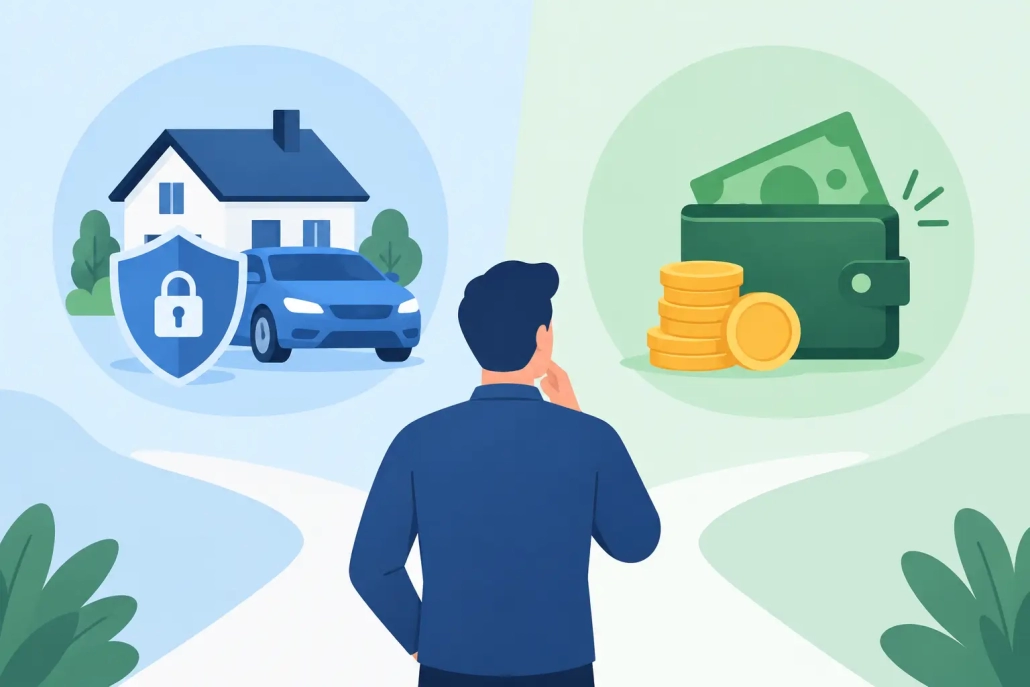
A broken work vehicle, overdue supplier account or unexpected bill does not wait for a bank appointment. Asset lending vs unsecured loans is a practical choice when you need cash quickly: borrow against something valuable you own, or apply based mainly on your income, credit history and ability to repay.
For many Queenslanders, the answer comes down to what is available right now. If you own a registered, roadworthy vehicle or worthwhile equipment outright, an asset-backed loan can offer a direct path to funds without the usual credit-based hurdles. But the security you provide also creates a real responsibility. Know the difference before you borrow.
Asset lending vs unsecured loans: the main difference
An asset-backed loan is secured by an asset. That may be a car, ute, motorbike, truck, van, boat, jet ski, caravan or machinery. The lender assesses the asset’s resale or wholesale value and uses it as security for the loan. At AutoPawn, eligible customers may be able to borrow up to 55% of the asset’s wholesale value.
An unsecured loan has no specific asset attached to it. Instead, the lender usually looks closely at your credit report, income, employment, existing debts and regular expenses. Approval is based on whether the lender believes you can make the repayments from your cash flow.
That one difference affects nearly everything else: approval time, paperwork, the amount you may borrow, the questions you are asked and what happens if the loan is not repaid.
When speed matters, the approval process is different
Unsecured lenders generally need to build a picture of your financial position. That can mean supplying payslips, bank statements, identification, details of your expenses and consent for credit checks. Even where an online application is fast, the assessment still relies on your financial history and documented capacity to repay.
Asset lending starts with the item you own. A lender needs to confirm what it is, whether you own it outright and what it is worth. For vehicle-backed lending, the vehicle generally needs to be unencumbered, registered and roadworthy. Its make, model, age, condition and market demand can all affect the amount offered.
This can suit a self-employed tradie whose income changes week to week, a small business owner between invoices, or someone whose credit history is not where they want it to be. The asset is doing much of the work in the assessment.
That does not mean there is no assessment. A legitimate lender still needs to identify you, verify ownership and explain the loan terms. It means the focus is on the security rather than a long review of your credit file or income documents.
Credit checks and paperwork
Credit-based borrowing can be difficult if you have missed repayments in the past, recently changed jobs or have a thin credit file. A declined unsecured application may also feel like wasted time when the bill is due today.
With a suitable asset-backed loan, credit checks and proof of income may not be required. That is a major advantage for people who need short-term cash but do not fit a mainstream lender’s checklist. It can also be more private and less intrusive than handing over a detailed record of your financial life.
Before proceeding, ask exactly what the lender needs from you. In many cases, you will need photo identification, proof that the asset is yours and the asset itself for inspection. Be upfront about finance owing on the vehicle, damage, mechanical problems or registration issues. Clear information helps avoid delays.
The trade-off: your asset is the security
The benefit of asset lending is clear: a valuable item can help you access cash fast. The trade-off is equally clear: if you do not meet the agreed loan terms, the lender may have rights over the secured asset.
That is why this type of loan should never be treated as free money or a long-term fix for ongoing financial pressure. Only borrow an amount you have a realistic plan to repay, including all interest, fees and charges. Read the agreement carefully and make sure you understand the due date, the total repayment amount, extension options and what may happen if you cannot repay on time.
With an unsecured loan, the lender does not hold a specific car or piece of equipment as security. However, missed repayments can still lead to late fees, collection activity, legal action and damage to your credit file. Unsecured does not mean risk-free. It simply means the loan is not tied to one nominated asset at the start.
How much can you borrow?
An unsecured lender may set a limit based on your income, expenses, credit score and existing debts. Someone with stable income and strong credit may qualify for more than someone whose finances are stretched. The advertised maximum is rarely the amount every applicant receives.
Asset-backed lending is based mainly on what your asset is worth. A late-model, well-kept work ute with no finance owing may support a higher loan amount than an older vehicle with body damage or mechanical faults. The loan offer is usually a percentage of wholesale value, not the price you originally paid or a hopeful private-sale figure.
This is worth keeping in mind if you need a precise amount. Get a clear valuation and loan offer first. If the available amount does not solve the immediate problem without creating another one, reconsider the plan rather than borrowing in a rush.
Which option suits your situation?
Asset lending may make sense when you own an eligible asset outright, need funds quickly and do not want your approval to hinge on a credit check or income paperwork. It can be particularly useful for short-term situations such as urgent repairs, catching up on essential bills, replacing work tools or bridging a gap before an expected payment arrives.
An unsecured loan may suit you better when you have steady income, a solid credit profile and time to go through a more detailed application. It may also be preferable if putting a vehicle, boat or work machinery up as security would create too much risk for you.
Think about how essential the asset is. If your truck, ute or machinery is central to earning an income, take the repayment commitment seriously. A loan can relieve pressure today, but it should not put your ability to work at risk tomorrow.
Questions to ask before you sign
Do not choose a loan based only on how quickly the money can land in your account. Ask what you will repay in total, when it must be repaid and whether there are fees for extending or finalising the loan. Confirm who holds the asset and what the arrangements are while the loan is active.
You should also ask what happens if your circumstances change. A good lender will explain the process plainly, without hiding behind fine print or pushing you to borrow more than you need. Since 1992, AutoPawn has focused on straightforward, asset-backed cash loans for people who need an answer quickly, not a runaround.
The right choice is the one you can clearly understand and realistically repay. If your vehicle or equipment has value and the need is short term, an asset-backed loan may be the practical option. Take a breath, check the terms, and borrow only what gets you through the immediate gap.



Leave a Reply
Want to join the discussion?Feel free to contribute!