
Asset Lending Trends Shaping Fast Cash in QLD
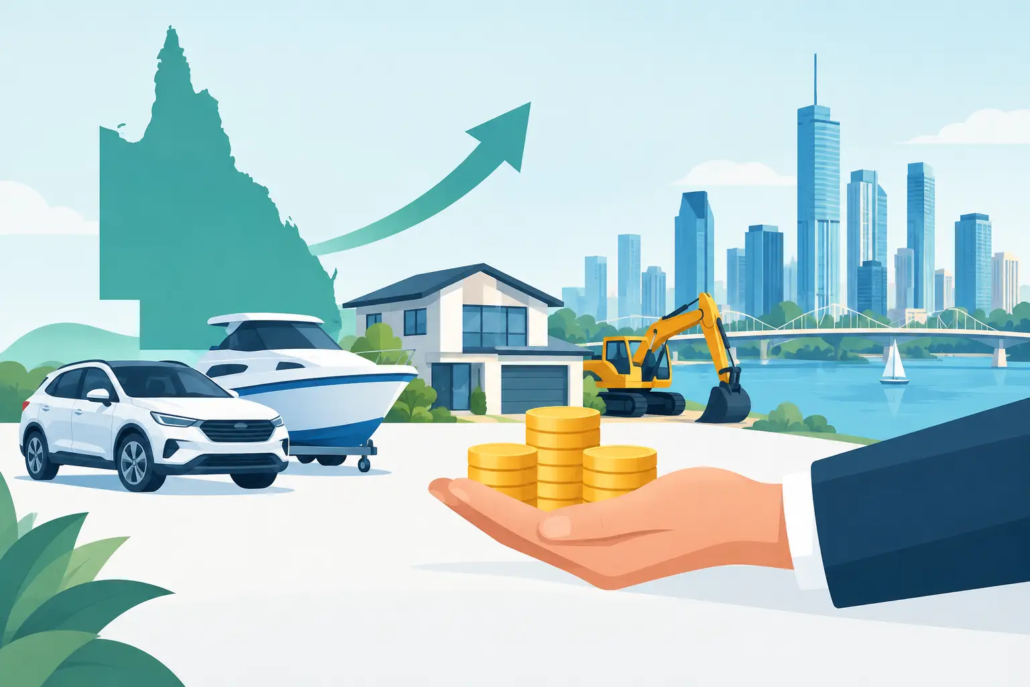
A broken work ute, an overdue supplier invoice or an unexpected repair bill can put real pressure on a household or small business. That is why asset lending trends are moving towards faster, simpler loans secured by things people already own – particularly registered vehicles and working equipment.
For many Queenslanders, the question is not whether they have an asset of value. It is whether they can turn that value into cash quickly, without weeks of bank paperwork or a credit score standing in the way. Asset-backed lending answers that question differently from a standard personal loan: the asset is assessed first, not your employment history or credit file.
Asset Lending Trends: Speed Is Now the Main Expectation
The biggest shift is straightforward. Borrowers expect an answer quickly.
Banks are built for longer approval processes. They may ask for payslips, bank statements, living-expense details and credit checks before making a decision. That process can suit a planned purchase, but it is not much help when the rego is due, machinery needs fixing, or cash flow has tightened before the next payment comes in.
Asset lending is becoming more popular because it can be based on a clear, tangible security item. A roadworthy car, motorbike, boat, caravan, truck, van, jet ski or piece of machinery has an identifiable resale value. When the lender can inspect and value that asset, the decision can be made far faster than a traditional unsecured application.
This does not mean every asset will qualify or that every loan amount will be the same. Value depends on the vehicle’s condition, age, market demand, registration status and wholesale value. But for owners of suitable assets, the process is usually more direct: assess the asset, agree on the loan terms, and receive funds once everything is in order.
Credit History Matters Less When the Asset Does the Work
Another clear trend is the growth of lending options for people who do not fit a bank’s preferred borrower profile. A past default, irregular income, self-employment, casual work or a thin credit history can make mainstream finance difficult. Yet none of those things automatically mean someone has no way to cover a short-term expense.
With a secured asset loan, the vehicle or equipment is the main form of security. That changes the lending conversation. Rather than focusing on why a borrower was declined elsewhere, the lender looks at whether the asset is owned outright, registered, roadworthy and worth enough to support the requested amount.
For tradespeople and small operators, this can be particularly useful. A painter may own a van. A landscaper may own a trailer, machinery or a ute. A family may own a second car, caravan or boat. These assets can hold value even when cash is temporarily tight.
There is a trade-off, and it should be understood clearly. Using an asset as security means it is at risk if the loan is not repaid under the agreed terms. Asset lending is best treated as a short-term option for a defined need, with a realistic plan to redeem the asset. It is not free money, and a reputable lender should explain the amount advanced, fees, repayment timeframe and what happens if the loan is not redeemed.
Vehicle and Equipment Loans Are Becoming More Practical
The old idea of pawnbroking often brings small household items to mind. In reality, higher-value asset lending is increasingly centred on vehicles and equipment because they can provide meaningful borrowing power.
A late-model car may help cover an urgent household cost. A truck or van can support a business dealing with a temporary gap between completing a job and getting paid. A boat, jet ski or caravan may be an asset that is valuable but not essential to weekly income. Machinery can also be suitable where it is owned outright and has a clear market value.
The best asset for a short-term loan depends on what you can comfortably put up as security. If your work vehicle is essential every day, you need to be clear about the lender’s possession arrangements and the impact on your ability to work. If you have a recreational vehicle that is rarely used, that may be a more practical option. There is no one-size-fits-all answer.
At AutoPawn, suitable unencumbered, registered and roadworthy vehicles and equipment can be assessed for same-day loans, with advances of up to 55% of wholesale asset value. The point is simple: value already tied up in an asset may be available when you need cash now.
Fewer Documents, Clearer Decisions
Borrowers are also turning away from applications that make a simple short-term need feel like a full-time job. One reason asset-backed loans are gaining attention is the lower reliance on traditional lending paperwork.
For a suitable asset, the key details are generally ownership, identification, registration, condition and value. A lender will still need to verify the asset and complete the required paperwork, but the focus is practical. Is the asset yours? Is it free of finance? What is it worth in the current market? Can it secure the loan amount?
That is a very different process from proving every part of your financial life to a bank. For someone facing a time-sensitive expense, no credit checks, no proof of income requirements and no application fees can remove major barriers.
Speed should never mean confusion, though. Before accepting a loan, ask for the full repayment amount and due date in plain language. Check whether there are storage costs or other charges. Make sure you understand the redemption process. If you are unsure about a term, stop and ask. A fast loan should still be a clear loan.
Rising Costs Are Driving Short-Term Cash Decisions
Asset lending trends are also tied to everyday cost pressure. Fuel, repairs, insurance, rent, business supplies and household bills can all rise at once. Even people who normally stay on top of their money can be caught by timing.
A short cash gap is different from a long-term affordability problem. If you have money due from a customer, a tax refund expected, a sale settlement coming through or a known payment date ahead, a secured short-term loan may bridge that gap. If there is no realistic way to repay, borrowing against a valuable asset may create more stress later.
This is where being honest about the reason for the loan matters. Use it for an urgent repair that keeps the business moving, a bill that cannot wait, or a temporary shortfall with a clear end date. Take time before borrowing for ongoing expenses that will return every week.
What Makes an Asset a Strong Candidate?
The strongest candidates are assets that are owned outright and have a stable, saleable value. Vehicles should generally be registered and roadworthy, while equipment should be identifiable, operational and in reasonable condition. Demand matters too. A common, well-maintained vehicle with clear paperwork is easier to value than a heavily modified or damaged one.
Be ready to provide accurate details. Have your registration and identification available, disclose any faults or finance owing, and be realistic about condition. Trying to overstate an asset’s value only slows the assessment down.
It also pays to compare the loan amount against your actual need. Borrowing the maximum available is not always the right move. If a smaller amount solves the immediate problem and is easier to redeem, that may be the smarter choice.
A More Direct Way to Handle a Cash Gap
The direction of asset lending is clear: people want practical options that recognise the value of what they own and do not force them through a bank-style process for every urgent expense. Fast decisions, asset-based assessments and straightforward terms are replacing long waits for many borrowers across Southeast Queensland.
If you own a suitable vehicle or piece of equipment and need money quickly, start by looking at the asset honestly, the amount you genuinely need and the date you can repay. A clear plan turns fast cash from a stressful last resort into a practical short-term decision.



Leave a Reply
Want to join the discussion?Feel free to contribute!