
Do Lenders Keep My Vehicle? Know the Difference
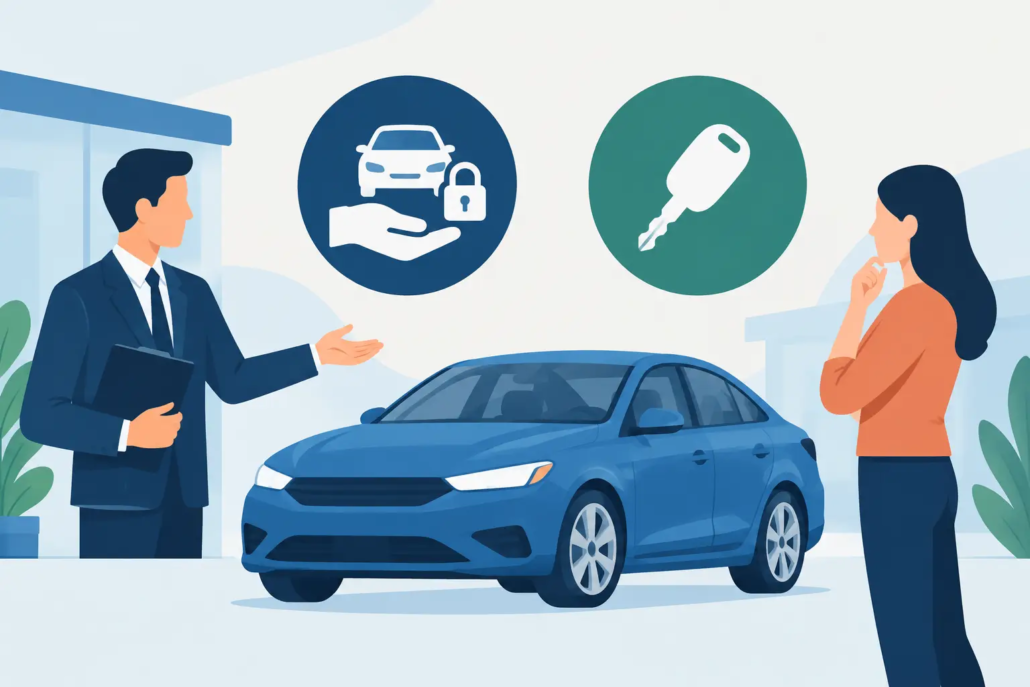
A sudden mechanic’s bill, overdue supplier invoice or family emergency can make a vehicle loan look like the fastest answer. But before you hand over the keys, you need a straight answer: do lenders keep my vehicle?
Sometimes, yes. Sometimes, no. It depends on the type of loan, the lender’s security arrangement and the terms you agree to. The key is knowing whether you are taking out a loan where you keep using your vehicle or a pawn-style loan where the lender securely holds it until you repay.
Do lenders keep my vehicle during the loan?
With a standard car loan, you usually keep the vehicle and drive it as normal. The lender registers an interest over the car as security, but the car stays in your driveway. You make scheduled repayments, often over several years, and the lender can take action if you fall behind.
With a vehicle-backed pawn loan, the lender generally takes possession of the vehicle for the agreed loan period. Your car, ute, motorbike, boat, caravan, truck or machinery is securely stored while you receive cash against its value. Once you repay the loan and agreed charges within the term, you collect your asset.
Neither option is automatically better. A standard secured loan may suit someone with time to apply, steady income paperwork and a need to keep driving daily. A vehicle pawn loan may suit an owner who needs cash quickly, has an unencumbered asset, and can manage without it for a short period.
The important part is that there should be no confusion. Ask the question before signing: Will I keep the vehicle, or will you hold it in storage until the loan is repaid?
Why some lenders hold the vehicle
A lender that holds your vehicle is lending against the asset itself, not simply your credit score or payslips. Having physical possession of the collateral reduces the lender’s risk. That can make the process much simpler for people who do not meet a bank’s usual lending criteria.
For the borrower, the trade-off is clear. You get access to the vehicle’s available equity without selling it outright, but you cannot use it while it is held as security. This is worth considering carefully if it is your only way to get to work, transport children or run your business.
At AutoPawn, for example, loans are secured against registered, roadworthy and unencumbered vehicles or equipment. The asset is assessed on its wholesale value, with loans available up to 55% of that value. The focus is on the asset, which is why the process does not rely on credit checks, proof of income or the usual bank paperwork.
That approach can be practical when the issue is immediate cash flow, not a long-term need for finance. It is not designed to replace a vehicle you rely on every day.
The difference between possession and ownership
Handing a vehicle to a lender does not necessarily mean you have sold it. In a pawn arrangement, you remain the owner while the lender holds the vehicle as security under the loan agreement.
You should receive clear documentation that sets out the loan amount, charges, repayment date, storage arrangement and what happens if you do not repay. Keep this paperwork. Check that the vehicle details are correct, including the registration, VIN and condition at handover.
A legitimate lender should also explain the process in plain language. You should know where the vehicle will be stored, whether it is insured while in storage, how you can redeem it, and what happens if you need extra time.
Do not assume every lender works the same way. Read the agreement rather than relying on a quick conversation or an advertisement that says fast cash. Fast should still be clear.
Can you get a loan and keep driving your vehicle?
Yes, some lenders offer loans where you keep driving. These are often called secured vehicle loans or car title loans. The lender may register a security interest over the vehicle while it remains in your possession.
This arrangement sounds convenient, but look closely at the total cost, repayment frequency and consequences of missed payments. If your budget is already tight, a regular repayment obligation can add pressure quickly. You also need to confirm whether there are restrictions on selling, transferring or taking the vehicle interstate while the loan remains outstanding.
If you need the vehicle for work, compare the practical cost of each option. Keeping the car may be essential. On the other hand, if you have another vehicle, work from home or can manage without the asset for a short time, a storage-based loan may be a more straightforward way to raise funds.
The right choice depends on what matters most right now: continued use of the vehicle, speed of funds, approval requirements or the length of the loan.
What vehicles can be used as security?
Cars are the most common, but they are not the only option. Depending on the lender, valuable assets may include motorbikes, utes, vans, trucks, boats, jet skis, caravans, trailers and business machinery.
The asset usually needs to be owned outright. If there is money owing to a finance company, the vehicle is generally encumbered, meaning another party already has a legal interest in it. That makes it harder to use as collateral until the existing finance is paid out or otherwise dealt with.
Condition matters too. A registered, roadworthy vehicle in good working order will generally be easier to assess than an unregistered project car sitting in the shed. Market demand, age, kilometres, service history and overall condition can all affect its value.
For tradespeople and small business owners, machinery and commercial vehicles can be especially useful assets. A truck or excavator may hold significant value, but only use an asset you can genuinely afford to be without during the loan term.
What happens if you cannot repay the loan?
This is the question to ask before taking any secured loan, not after the due date arrives. If a lender holds the asset and the loan is not redeemed under the agreement, the lender may be entitled to sell the vehicle to recover the amount owed. The exact process depends on the contract and applicable laws.
If you think you may have trouble repaying, contact the lender early. Do not ignore calls, emails or the due date. Some situations can be addressed before they become a loss of the vehicle, particularly where an extension, renewal or alternative arrangement is available under the lender’s terms.
Be realistic when setting your loan amount. Borrowing the maximum available is not always the smart move. Borrow what you need for the immediate problem, then make sure you have a clear plan to repay it. If the loan is bridging a gap before an invoice, insurance payment or sale proceeds arrive, write down the expected date and allow for delays.
Questions to ask before handing over the keys
You do not need to be a finance expert. You just need clear answers. Ask whether the lender keeps the vehicle or whether you keep possession. Confirm the total repayment amount, the due date, any extension costs, storage conditions and the consequences if you cannot pay on time.
Also ask how the asset is valued. A lender should be able to explain the amount offered in a way that makes sense. If you feel pressured to sign immediately or the answers are vague, stop and take a breath. Urgent cash needs a quick process, but it should never mean blind decisions.
Check your own situation as well. Can you get by without the vehicle? Is there another way to cover the expense with less risk? Will the loan solve a one-off cash shortage, or cover a problem that will still be there next month? These are practical questions, not judgement calls.
Get clear before you borrow
Whether lenders keep your vehicle comes down to the loan type. With a conventional secured loan, you usually keep driving while the lender holds a security interest. With a pawn-style vehicle loan, the lender holds the asset safely until you repay and redeem it.
If you own an eligible vehicle outright and need short-term funds fast, a vehicle-backed loan can be a direct option. Just make sure the terms are clear, the repayment plan is realistic, and you understand exactly where your keys and vehicle will be while the loan is active.



Leave a Reply
Want to join the discussion?Feel free to contribute!