
Equipment Lender Reviews: What to Check First
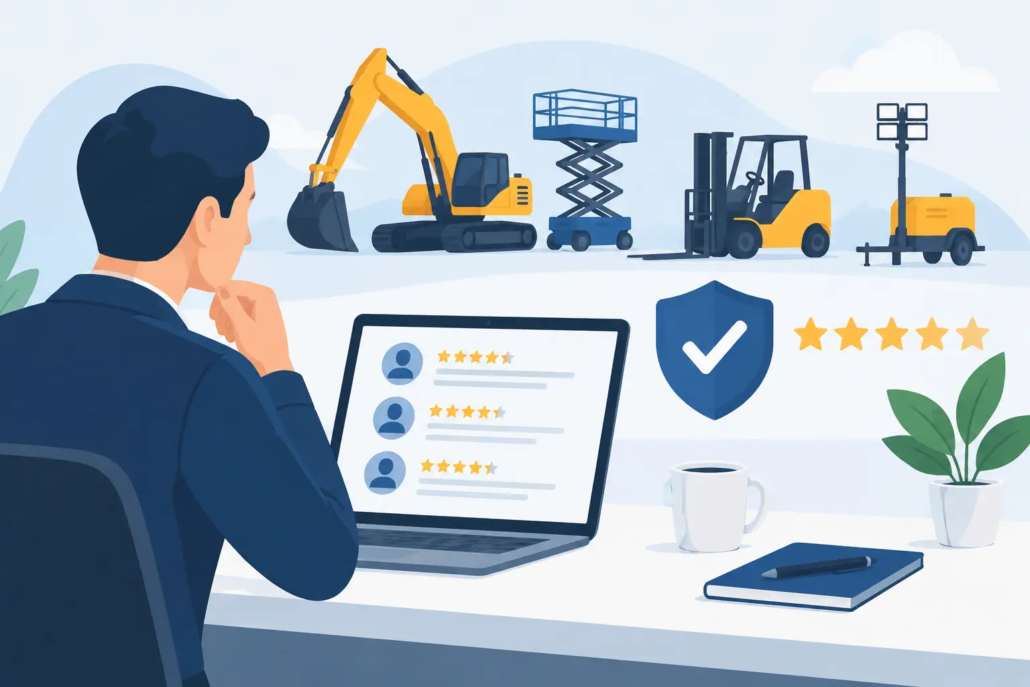
When cash is tight, equipment lender reviews can tell you far more than a lender’s headline promise. A good review shows whether people actually received clear answers, fair treatment and funds when they needed them. That matters when your excavator, truck, caravan or machinery is the asset standing between a short-term cash gap and a missed bill.
For tradies, small business owners and asset owners across Southeast Queensland, time is usually the pressure point. You may need money for wages, repairs, supplier accounts, registration, rent or an unexpected family expense. The right lender should make the process clear, treat your equipment with care and explain exactly what happens before you agree to anything.
What equipment lender reviews should tell you
Do not rely on a star rating alone. Five stars look good, but the written comments reveal whether the service works in the real world. Look for reviews that describe the borrower’s situation, the type of asset used and how the lender handled the transaction.
The strongest reviews are specific. They might mention a fast valuation, same-day payment, a helpful staff member or a straightforward redemption process. They may also explain whether the borrower felt pressured, whether the terms were easy to understand and whether their vehicle or equipment was returned in the condition expected.
A review saying “great service” is positive, but it does not tell you much. A review explaining that a business owner used an unencumbered truck to cover a cash-flow gap, understood the charges upfront and collected the truck after repayment is much more useful.
Pay attention to patterns rather than one glowing comment or one unhappy customer. Every business can have an off day. Repeated praise for clear communication and quick payments is meaningful. So are repeated complaints about unexpected costs, confusing paperwork or delayed release of an asset.
Check the reviews against the lender’s actual process
A lender’s reviews should match what it says it offers. If a business promotes fast cash, reviewers should consistently describe prompt quotes, simple documents and funds arriving quickly. If it says there are no credit checks, the process should focus on the value and condition of your asset rather than your credit score or a stack of income documents.
For a vehicle-backed loan, lenders generally assess the asset first. That means they will want to know whether it is registered, roadworthy, owned by you and free of finance. The amount available will depend on the asset’s wholesale value, condition, age and market demand. Be cautious if reviews suggest people were promised a figure before the lender properly inspected the equipment.
Speed is valuable, but it should not replace clarity. A proper lender can move quickly while still telling you the loan amount, the repayment amount, the loan term, storage arrangements and what happens if you cannot redeem the asset on time. If those details are hard to get before you sign, stop and ask direct questions.
Read for the details that affect your equipment
Using equipment as security is different from taking out an unsecured personal loan. Your machinery, vehicle or recreational asset has real value and may be essential to your work or daily life. Reviews should give you confidence that the lender respects that.
Look for comments about condition reports, secure storage and professional handling. If you leave a vehicle with the lender, ask where it will be kept and whether it is insured while in their care. If the lender allows you to keep using the asset during the loan, ask how that arrangement works and what conditions apply.
This is especially relevant for high-value work assets such as utes, vans, trucks, bobcats, trailers and machinery. A fast loan may help you keep a job moving, but losing access to equipment you need every day could create a bigger problem. The right option depends on how urgently you need cash and whether you can work without the asset during the loan period.
Reviews can also show whether staff explain these practical points without talking in circles. Clear answers are a good sign. Vague reassurance is not.
Questions to ask after reading lender reviews
Reviews help you narrow down your options. They do not replace getting the facts for your own loan. Before handing over keys, registration papers or equipment, make sure you can answer these questions:
- What is the total amount I will need to pay to redeem my asset?
- How long is the loan term, and can it be extended if needed?
- Are there establishment, storage, valuation, late or other fees?
- Will I leave the equipment with the lender, and how will it be stored?
- What documents prove the asset’s condition and the agreement details?
- What happens if I cannot repay by the agreed date?
You do not need finance jargon to ask for straight answers. A reputable lender should explain the agreement in plain English and give you time to read it. If you feel rushed into accepting terms you do not understand, walk away.
Watch for reviews that mention pressure or surprises
The quickest way to turn a short-term loan into a long-term headache is to focus only on the cash amount. A lender may offer the funds you need, but the deal still needs to be manageable on the repayment date.
Be alert to reviews mentioning a different final amount than expected, fees that were not explained early, or staff who would not provide a clear payout figure. Those are not minor issues. You should know the full cost before agreeing to use your equipment as security.
Also consider whether the reviewer’s circumstances are similar to yours. Someone borrowing against a jet ski for a personal expense may have different priorities from a plumber relying on a work van. A good lender will not treat every asset and every customer situation as identical. They should assess the item fairly and explain the options that suit it.
Negative reviews deserve a fair read too. Check whether the business responds professionally and addresses the issue with facts. A calm, helpful response can indicate accountability. A pattern of defensive or dismissive replies should make you think twice.
Reviews matter, but transparency matters more
Long trading history and positive customer feedback can provide reassurance, particularly when you are under financial pressure. AutoPawn, for example, has operated since 1992 and offers loans against eligible vehicles and equipment based on asset value rather than credit history. But regardless of who you deal with, the agreement in front of you matters most.
Read it carefully. Confirm the loan amount, the repayment date and the total amount required to get your asset back. Keep copies of every document, including the condition report and receipt for any keys or accessories handed over. If your equipment has specialised tools, attachments or personal items inside it, record what is included before the loan starts.
It is also sensible to be realistic about repayment. If the money is covering a one-off delay in getting paid, a short-term equipment loan may be a practical bridge. If you are already struggling to meet several repayments, adding another commitment may not solve the underlying pressure. In that case, speak with a free financial counsellor before making a decision.
Choose a lender that makes the next step clear
The best equipment lender reviews tend to describe the same basics: quick service, respectful staff, clear terms and no nasty surprises. That is what you want when the bills cannot wait and your assets are doing the heavy lifting.
Take ten minutes to read beyond the rating, ask for the full repayment figure and make sure the loan fits your plan to redeem the equipment. Fast cash should give you breathing room, not leave you guessing what happens next.



Leave a Reply
Want to join the discussion?Feel free to contribute!