
How the Asset Valuation Process Sets Your Loan
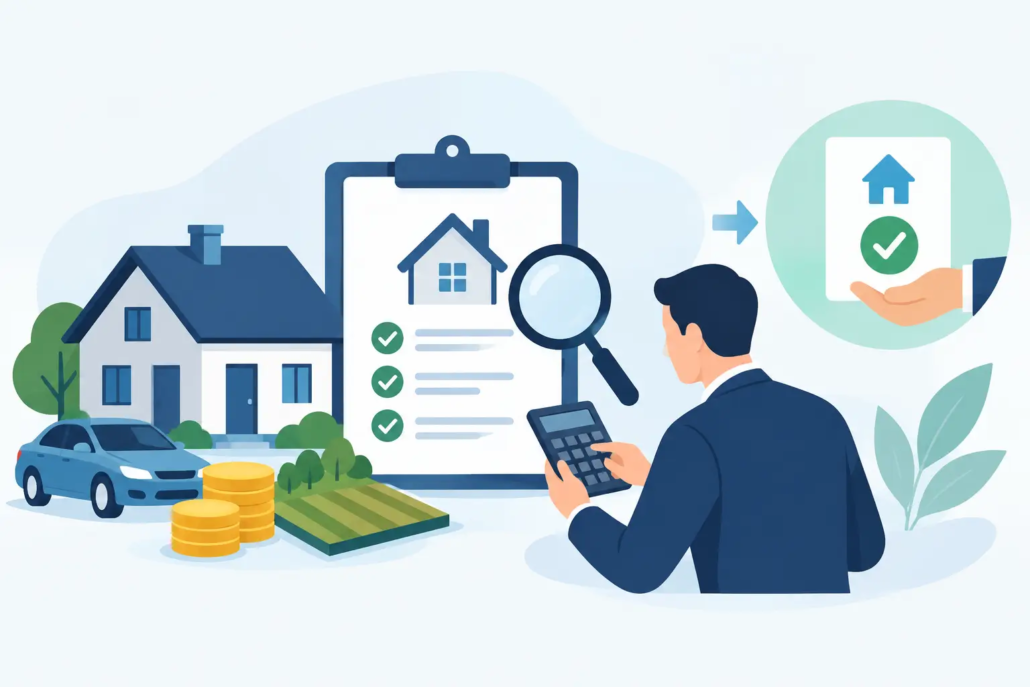
A fast loan still needs a fair number behind it. The asset valuation process is how a lender works out what your vehicle or equipment is worth in the current market, then calculates how much it may be able to lend against it. It is based on the asset itself, not your credit score, income or bank history.
For people who need cash quickly, that difference matters. If you own an eligible car, ute, motorbike, boat, caravan, truck or piece of machinery outright, its value may help you access funds without the delays and paperwork that can come with a bank loan.
What the asset valuation process looks at
A proper valuation is not a random estimate and it is not simply the price you originally paid. Vehicles and equipment change in value over time. Market demand, condition, kilometres and resale prospects all affect what an asset is worth today.
The starting point is the make, model, year and variant. Two vehicles that look similar can have very different values because one has a more desirable engine, trim level, drivetrain or towing capacity. For machinery and commercial equipment, specifications, operating hours and attachments can make just as much difference.
The assessor will also consider the asset’s overall condition. A clean, well-maintained vehicle with sound tyres, a tidy interior and no obvious mechanical issues is generally easier to value than one needing major work. Normal wear is expected, particularly on a work ute, truck or machine. Serious damage, missing parts, warning lights or poor roadworthiness can reduce the assessed value.
Kilometres are another key factor for most road vehicles. Lower kilometres can support a stronger valuation, but they are not the whole story. A regularly serviced high-kilometre vehicle in good working order may still hold solid value, especially where there is demand for that model.
Wholesale value versus private-sale price
One point often catches people out: the valuation used for a secured loan is usually based on wholesale value, not the highest price you may hope to get in a private sale.
A private sale can sometimes bring more money, but it takes time. You need to advertise, answer calls, arrange inspections, negotiate and wait for the right buyer. A wholesale value reflects what the asset could reasonably achieve through trade channels or a resale process. It is a practical figure that accounts for market movement, selling costs and the time involved in turning an asset into cash.
That does not mean your asset is being undervalued. It means the loan amount needs to be set at a level that is fair to you and sensible for a secured lender. At AutoPawn, loans can be advanced up to 55% of the wholesale asset value, subject to assessment. The exact amount depends on the asset and its condition.
Why current market demand matters
The same vehicle can be worth different amounts at different times of year. Demand for four-wheel drives, vans, boats, caravans and certain machinery can rise or fall with local conditions, fuel costs, business activity and buyer preferences.
A popular, easy-to-sell model with a strong service record will generally be easier to assess than an unusual vehicle with limited demand or expensive repair risks. This is not about whether you like the asset or what it means to you. It is about what the market is likely to pay for it if it had to be sold.
For example, a late-model dual-cab ute with clear ownership, good tyres and a known service history may support a stronger result than an older vehicle with accident damage and overdue repairs. Likewise, a registered, operational excavator with popular attachments may be more valuable than a similar machine that has been sitting unused for months.
Ownership checks are part of the assessment
Value is only one side of the decision. The asset must also be suitable security for a loan. That means confirming it is legally yours to use as collateral and checking whether any money is still owed on it.
For many vehicle-backed loans, the ideal asset is registered, roadworthy and unencumbered. Unencumbered means there is no existing finance company, lease provider or other party with a registered interest in it. Proof of ownership, registration details and identification help the lender complete these checks quickly.
If there is finance owing, the situation may be more complicated. It does not always mean there is no option, but it can affect whether a loan is possible and how the funds would need to be handled. Being upfront from the start saves time and avoids false expectations.
How to get ready for a faster valuation
You do not need to detail your car like it is going into a showroom or spend money on unnecessary upgrades. But presenting accurate information makes the process quicker and gives the assessor a clear picture of what they are valuing.
Have your photo ID and registration details ready. If you have service records, receipts for major repairs or paperwork for valuable accessories, keep them handy too. For machinery, note the operating hours, included attachments and any recent maintenance. These details can help explain the asset’s condition and specification.
It also pays to be honest about faults. A cracked windscreen, mechanical noise or damaged panel will usually be noticed during an inspection anyway. Clear information early on allows the valuation to be realistic, rather than delayed by surprises.
If the vehicle is dirty or packed with tools and personal items, a quick clean-out can make inspection easier. This is not about appearances alone. It helps the assessor check the interior, bodywork, tyres, compliance plates and other relevant details without wasting time.
What happens after the valuation
Once the asset has been inspected and the ownership checks are complete, you will be told the available loan amount and the terms. You can then decide whether the offer works for you. There is no point accepting a loan that does not solve the cash-flow problem you need to deal with.
This is where asset-backed lending differs from an unsecured personal loan. The lender is mainly assessing the vehicle or equipment as security, rather than asking for payslips, credit reports and a long explanation of your finances. That can make it a practical option when you need funds urgently and own an asset with usable value.
The trade-off is straightforward: the asset secures the loan. You should only borrow if you understand the repayments, fees, loan term and what happens if you cannot meet your obligations. Ask direct questions before you sign. A reputable lender should give direct answers.
A fair valuation starts with clear information
A quick assessment should not mean guesswork. The best outcome comes from an asset that is correctly identified, honestly presented and valued against real market conditions. That gives you a clearer idea of what you may be able to borrow and lets you make a decision without wasting a day chasing finance that does not fit.
If an unexpected bill, repair or business expense cannot wait, start with the asset you already own. A clear valuation can turn its current value into a practical option for getting cash moving again.



Leave a Reply
Want to join the discussion?Feel free to contribute!