
Selling or Pawning a Vehicle – Which Pays Off?
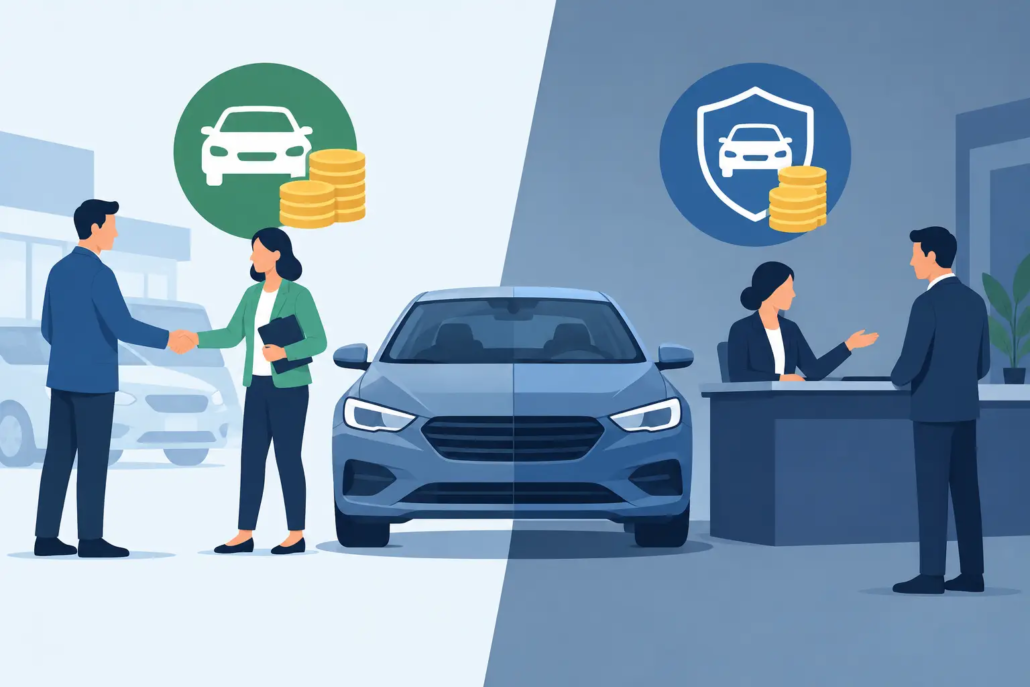
A busted work ute, an overdue bill or a quiet patch in the business can put you under pressure fast. When selling or pawning a vehicle, the right choice comes down to one question: do you need to part with the asset for good, or do you need short-term cash and a chance to get it back?
Both options can put money in your hand. But they work very differently. Selling may bring a higher total amount, while pawning can be faster and lets you redeem your vehicle once the loan is repaid. Knowing the trade-off before you hand over the keys helps you make a practical decision, not a rushed one.
Selling or pawning a vehicle: the main difference
Selling your car, motorbike, boat, caravan or machinery means transferring ownership to someone else. Once the sale is complete, the money is yours and there is no loan to repay. The downside is obvious: you no longer own the asset. If it is your daily transport, work vehicle or equipment that earns income, replacing it later may cost far more than the cash you received.
Pawning uses the vehicle or equipment as security for a short-term loan. You remain the owner while the loan is active, but the asset secures the money advanced. Repay the agreed loan amount and charges within the loan term, and you redeem it. If you do not redeem the loan, the pawnbroker may sell the asset under the agreement to recover the debt.
That makes pawning a useful option when the cash problem is temporary. You may be waiting on an invoice, expecting a tax refund, covering an emergency repair or bridging a short gap between jobs. Selling makes more sense when you no longer need the vehicle, cannot afford the ongoing running costs, or want to make a permanent change.
When selling is the better move
A private sale will usually give you the best chance of achieving a higher price, especially if the vehicle is clean, roadworthy, well-presented and in demand. But it also takes time. You need to advertise it, answer messages, arrange inspections, deal with no-shows and negotiate with buyers who may expect a bargain.
A dealer or instant-buying service is quicker, but generally offers less than a strong private sale. Their offer needs to leave room for preparation, warranty risk, overheads and resale profit. That can still be worthwhile if speed matters and you are genuinely ready to let the vehicle go.
Selling is often the better option if the asset is sitting unused. Perhaps an old project bike is taking up shed space, a second car is no longer needed, or machinery is surplus to your work. In those cases, turning it into cash can simplify your finances without affecting your day-to-day life.
Before you sell, be realistic about replacement. A tradie who sells a reliable van to cover one urgent expense may then face hire costs, lost work or the expense of buying another vehicle. The sticker price is only part of the decision.
When pawning may suit your situation
Pawning is built for speed and short-term need. The assessment is based mainly on the asset, not your credit history. For people knocked back by banks, dealing with an imperfect credit file, or simply unwilling to wait through a standard finance application, that can make a major difference.
With a vehicle-backed pawn loan, eligible applicants may access funds without credit checks, proof of income, application fees or the usual pile of bank paperwork. The asset must still meet the lender’s criteria. In most cases, it needs to be owned outright, registered, roadworthy and free from finance. The amount available depends on the asset’s wholesale value, condition and market demand.
At AutoPawn, loans can be advanced up to 55% of wholesale asset value for eligible vehicles and equipment. This can include cars, utes, motorbikes, trucks, vans, boats, jet skis, caravans and machinery. The point is not to borrow every dollar possible. It is to access enough to solve the immediate problem while having a clear and realistic plan to redeem your asset.
Pawning may be a better fit if your vehicle has ongoing value in your life. A car may be needed for school runs once the loan is settled. A boat may have personal value. A piece of machinery may be needed for the next contract. Short-term cash does not have to mean a permanent sale.
Speed versus total value
This is where many people get caught out. A private sale can potentially produce more money, but the process may take days or weeks. If the rego is due tomorrow, a supplier needs payment, or a household emergency cannot wait, the highest possible price is not always the most useful outcome.
A pawn loan is usually assessed and arranged far more quickly because the lender is valuing a tangible asset rather than working through your employment history and credit profile. That convenience comes with a cost. You need to understand the loan amount, loan term, interest, fees and repayment conditions before agreeing.
Neither option is automatically better. The best option is the one that fits your timeline and does the least damage to your longer-term finances. If waiting for a buyer will create bigger problems, fast secured funds may be more practical. If you can wait and no longer need the asset, selling can deliver a cleaner break.
What to check before you hand over the keys
Do not make a decision based only on a number quoted over the phone. Whether selling or pawning, have the important details ready and ask direct questions.
For a sale, confirm who is buying, how payment will be made and when ownership is transferred. Never release the vehicle or signed transfer documents before cleared payment is received. Check that you have all keys, service records, registration details and identification documents available. A complete history can support the value of your asset.
For a pawn loan, ask exactly how the vehicle will be valued and what percentage of that value can be borrowed. Read the agreement carefully. You should know the total repayment amount, due date, extension options if any, storage arrangements, and what happens if you cannot redeem on time.
It also pays to think about the condition of the asset honestly. Mechanical faults, accident damage, poor tyres, missing keys and overdue servicing can affect value. A quick clean, clear photographs and service paperwork can make the assessment easier, but do not hide issues. Straight answers lead to a quicker, fairer outcome.
A simple way to decide
Start with your need for the asset. If you need it for work, family transport or your next job, selling it may create a bigger problem than the bill you are trying to pay. Pawning may allow you to deal with the immediate pressure and retain the chance to reclaim it.
Then look at your repayment certainty. If you know where the funds to redeem the loan are coming from and when they will arrive, a vehicle-backed loan can be a clear short-term solution. If there is no realistic path to repayment and the asset is not essential, selling may be the safer choice.
Finally, consider time. A private sale is often a value play. A pawn loan is a speed and flexibility play. Be wary of anyone promising top dollar with no inspection, and do not let embarrassment about money pressure push you into a deal you do not understand.
The most useful choice is the one that gives you breathing room without taking away what you need to keep moving. Get clear on the amount required, the value of your vehicle and your next source of funds, then choose the option you can live with after the immediate pressure has passed.



Leave a Reply
Want to join the discussion?Feel free to contribute!