
Vehicle Loan Comparisons That Save You Time
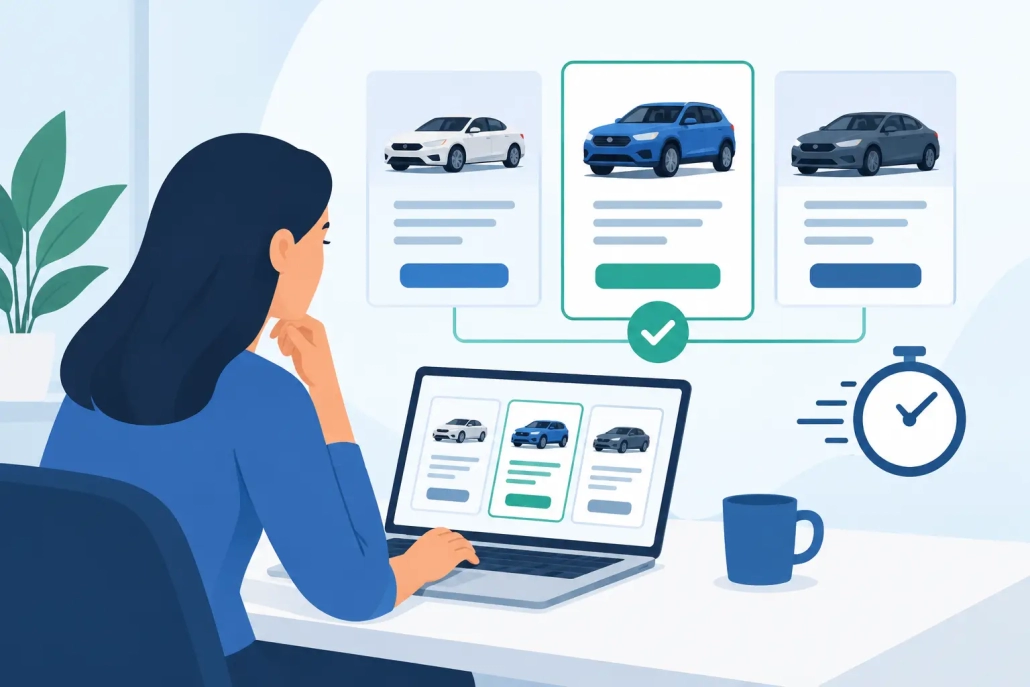
A flat battery in the work ute, an overdue supplier invoice or a bill that cannot wait can put you under pressure fast. Vehicle loan comparisons help you look past the advertising and work out which option can actually get cash to you in time, at a cost you understand.
The right loan is not always the one with the lowest advertised rate. If you need money urgently, approval time, paperwork, credit requirements and the security you are being asked to provide can matter just as much. Start with your situation, the value of the asset you own and a clear plan for repaying the loan.
What to compare before you apply
A vehicle loan can mean different things depending on the lender. It may be finance to buy a car, a personal loan that uses your vehicle as security, refinancing on an existing vehicle, or a short-term loan against a vehicle you already own outright.
That distinction matters. A standard car finance loan is designed for buying a vehicle and commonly involves credit checks, proof of income and a formal approval process. It can suit a planned purchase, but it may not be practical when you need funds today for a cash-flow gap.
A loan secured against an owned vehicle works differently. The lender assesses the vehicle or equipment as security, rather than relying solely on your credit history. For eligible assets, this can be a more direct option for people with a car, motorbike, boat, caravan, truck, van or machinery that has value and is not under finance.
Do not compare loans by one feature alone. Look at the full picture: how much you can borrow, what you will repay, how quickly the money is available, what security is required and what happens if you cannot meet the agreed terms.
Vehicle loan comparisons: look at the total cost
The repayment figure is more useful than a headline interest rate. Interest is only one part of the cost. Depending on the lender and product, there may also be establishment fees, account fees, valuation charges, late-payment fees or early payout conditions.
Ask for the dollar amount you will need to repay if you settle on the agreed date. If the loan is short term, ask how the amount changes if you need more time. A cheap-looking rate can become expensive when fees are added or when a loan runs longer than expected.
It is also worth comparing repayment flexibility. Some borrowers need a set repayment schedule that lines up with weekly wages or monthly business income. Others need to clear the loan as soon as an invoice is paid. Check whether early repayment is allowed and whether it reduces the interest or costs you pay.
Borrow only what solves the immediate problem. Taking a larger amount because it is available can make repayment harder, particularly when income is already tight. A lender should be clear about the amount offered, the term and the total amount due before you agree.
Advertised rates are not the whole story
A comparison rate can be useful for longer-term consumer finance, but it is not always a complete guide for a short-term secured loan. The term, fees and your exact circumstances affect the real cost. Get the actual figures for your own loan, not just an example based on someone else’s borrowing amount.
Compare speed against the paperwork involved
For an urgent expense, a bank loan can be frustrating even if the rate looks attractive. Banks and mainstream lenders often need payslips, bank statements, credit checks and a longer assessment process. Approval is never guaranteed, especially if your credit file has missed repayments or your income is irregular.
Unsecured payday-style lending may promise a fast decision, but the amount available can be limited and the cost can be high. It also still depends heavily on your income, expenses and credit assessment.
A vehicle-backed loan is worth considering when you own a suitable asset and need a straightforward path to funds. With this type of lending, the asset is central to the assessment. A registered, roadworthy vehicle that is owned outright may be used as security, subject to valuation and lender requirements.
At AutoPawn, eligible customers can access a loan against vehicles and equipment without credit checks, proof of income or traditional bank-style paperwork. The amount available is based on the asset’s wholesale value, with loans of up to 55 per cent of that value. That can suit a borrower who has equity in a vehicle but does not have time for a drawn-out application.
Speed should never mean guessing. Confirm what the lender needs to inspect, whether the asset must be unencumbered, and when funds can be released. If the answer is vague, keep comparing.
Understand the security before signing
Secured lending can make sense because the lender has an asset to support the loan. In many cases, that means the lender can focus less on your credit score and more on the vehicle’s condition, registration, ownership and resale value.
The trade-off is serious: your asset is security for the debt. If you cannot repay under the agreed terms, you may lose the vehicle or equipment. That is especially important for a tradie whose ute carries tools, a small business owner relying on a van, or a family that needs its car for school runs and work.
Before you proceed, be realistic about the repayment date. Think about where the money will come from – wages, a confirmed invoice, a tax refund or the sale of another asset – and whether that money is dependable. If repayment relies on a possible outcome rather than a likely one, reduce the loan amount or consider another solution.
Also check whether you can continue using the asset while the loan is active, or whether it needs to be held by the lender. There is no universal answer. Different secured loan products operate differently, so this question should be asked early.
Questions that make comparisons clearer
When lenders use different terms, ask each one the same direct questions. You do not need finance jargon to get a straight answer.
- What is the exact amount I will receive after any fees?
- What is the total amount I must repay by the due date?
- What happens, and what will it cost, if I need extra time?
- Is my vehicle or equipment at risk if I miss repayment?
- Can I repay early, and will that reduce the cost?
Write the answers down. Comparing figures side by side is far better than relying on a verbal estimate, particularly when you are stressed and trying to solve a problem quickly.
Match the loan to the reason you need cash
For a planned vehicle purchase and stable income, traditional car finance may be the sensible choice. It is usually structured over a longer period and may offer lower ongoing costs, although approval can take longer and credit history matters.
For a smaller short-term need, an unsecured personal loan may work if you have strong credit and can wait for assessment. But if your credit record is holding you back, or you need funds quickly to keep work moving, a loan secured against an owned vehicle or piece of equipment may be more practical.
The best option depends on more than your credit score. It depends on how soon you need the money, whether you own an eligible asset outright, how much you need and how certain you are that you can repay. Clear answers now can save you from a more expensive problem later.
If cash is needed fast, focus on the loan you can understand and realistically repay. A straightforward conversation about your vehicle, the funds you need and the repayment date is often the quickest way to decide whether a secured loan is the right move.



Leave a Reply
Want to join the discussion?Feel free to contribute!