
Asset Lending: Fast Cash Against What You Own
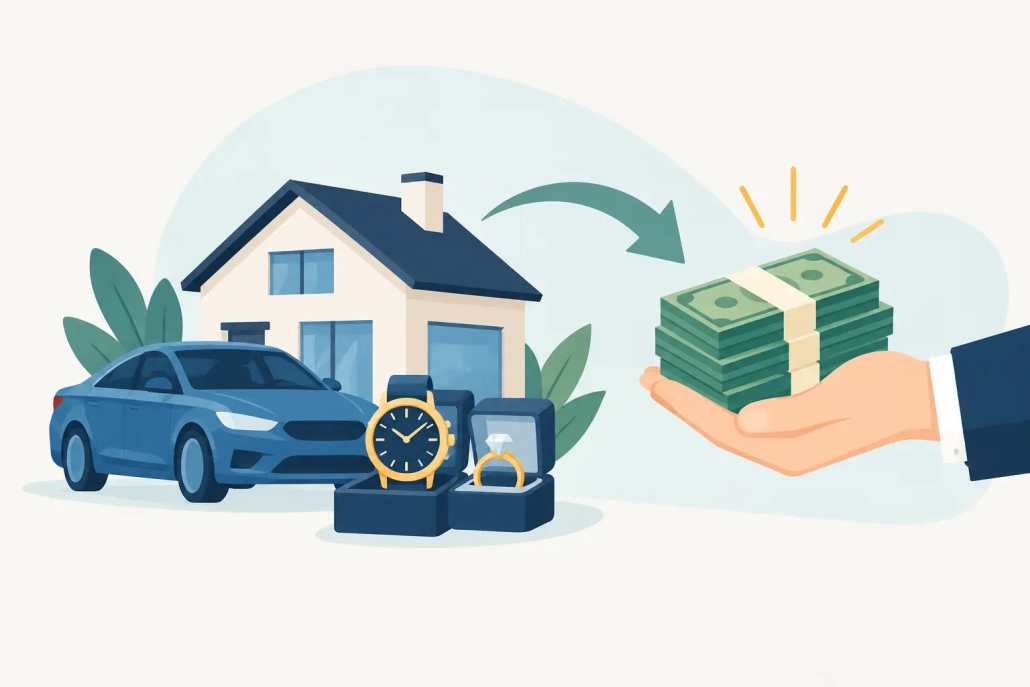
A sudden repair bill, a slow-paying customer or an urgent family expense can put real pressure on your cash flow. Asset lending gives you a practical way to access money using a valuable asset you already own, rather than waiting on a bank or relying on your credit score.
For plenty of Queenslanders, that asset is sitting in the driveway, shed or workshop. A car, ute, motorbike, truck, boat, caravan or piece of machinery may hold the value needed to bridge a short-term gap. The key is understanding how the loan works, what is required and what happens if you cannot repay it.
What is asset lending?
Asset lending is a secured loan against an item of value. Instead of assessing your employment history, income documents and credit report in the same way a mainstream lender would, the lender assesses the asset being offered as security.
With vehicle-backed lending, the asset must generally be owned outright, registered and roadworthy. Its condition, make, model, age and resale value all matter. The amount available is based on the asset’s wholesale value, not what you originally paid for it or what you hope to sell it for privately.
At AutoPawn, loans can be advanced up to 55% of the wholesale value of an eligible asset. That margin gives the lender security while allowing you to turn part of your asset’s value into cash quickly.
This is different from selling your vehicle or equipment. You are borrowing against it. If you meet the agreed repayments and redeem the loan, you get your asset back under the loan terms. It is also different from an unsecured personal loan, where approval often depends heavily on credit history, payslips and lengthy applications.
When asset lending can make sense
Asset lending is built for speed and short-term needs. It can suit a tradie whose invoice is overdue but whose supplier account needs paying now. It can help a small business owner cover a temporary gap, or a family deal with an unexpected repair before the next pay cycle.
Common reasons people consider a secured asset loan include urgent household bills, vehicle repairs, medical or dental costs, rent pressure, stock purchases, business expenses and short-term cash-flow problems. The reason for the loan is your business. What matters is whether you can meet the agreed repayment amount and time frame.
It may be especially useful if a credit check is likely to slow you down or rule you out. Asset-based lending is not based on a perfect financial history. No credit checks and no proof of income can remove barriers that make bank lending impractical when time matters.
That does not mean every situation calls for a loan against your vehicle or equipment. If the asset is essential to getting to work or running your business, think carefully about the repayment plan before proceeding. Fast cash is valuable, but keeping the asset is the priority.
Assets that may be suitable for a loan
The most useful assets are those with clear market value and ownership details. Vehicles and equipment are commonly used because they can be assessed quickly and their condition can be checked in person.
Eligible assets may include cars, utes, vans, motorbikes, trucks, boats, jet skis, caravans and machinery. The asset needs to be unencumbered, meaning there is no finance owing against it. It also needs to be registered and roadworthy where applicable.
A late-model vehicle in good condition will usually have a stronger lending value than an older vehicle with mechanical issues or damage. For machinery and specialised equipment, demand in the resale market can also affect the amount available.
Bring accurate details. Registration, identification, keys and any relevant ownership paperwork help make the process quicker. Being upfront about faults, modifications or finance owing avoids wasted time and gives you a clearer answer from the start.
How the process works
The process should be direct. You make contact, provide the basics about the asset and arrange an assessment. The lender checks the asset, confirms ownership and determines whether it meets the lending criteria.
If the asset is approved, you are given the loan offer, including the amount, costs, repayment terms and what is required to redeem your asset. Read these details properly before accepting. Ask questions if something is unclear. A straightforward loan should come with straightforward answers.
Once the agreement is completed, funds can be available the same day, often within the hour. There are no application fees, no bank-style paperwork and no need to produce payslips or submit to a credit check.
The asset is held as security for the term of the loan. This is why it is important to borrow only what you need and choose a repayment arrangement you can realistically manage. You are not being assessed on a credit score, but the loan is still a serious financial commitment.
Why the asset value matters more than your credit file
Banks lend mainly on the borrower. They look at your income, expenses, credit history and ability to service a loan over time. That approach can work well when you have time, strong paperwork and a clean credit profile.
Asset lending takes another approach. The asset provides the security. This gives people who have a poor credit history, irregular income or limited paperwork another option when they need cash quickly.
The trade-off is simple: you are putting a valuable item on the line. The loan amount is usually a portion of wholesale value, and the lender may take possession of the asset while the loan is active. If you do not meet the terms or redeem the loan, the asset may be sold to recover the outstanding amount.
That is not a reason to avoid asset lending altogether. It is a reason to use it with clear eyes. Check your upcoming income, identify the repayment date and make sure the loan solves a temporary problem rather than creating a bigger one.
Questions to ask before you proceed
Before using an asset as security, get clear on the numbers and the practical details. Ask how the asset is valued, how much cash you will receive, what the repayment amount is and when payment is due. Confirm all fees, charges and conditions in writing.
You should also ask what happens if you need more time, whether early redemption is possible and how your asset is stored and protected during the loan. If the asset is business-critical, consider whether you have another way to keep operating while it is held as security.
Avoid making the decision in a panic. Urgency is often why people seek fast cash, but a few focused questions can protect you from taking on a loan that does not fit your circumstances.
A practical option when time is tight
When bills will not wait for bank approval, an asset you own outright can give you another path to cash. The process is designed to be quick, discreet and based on the value of your vehicle or equipment, not a lengthy review of your past.
If you have an unencumbered, registered and roadworthy asset, find out what it may be worth before pressure builds. Knowing your options early can make an urgent financial decision feel a lot more manageable.



Leave a Reply
Want to join the discussion?Feel free to contribute!