
Does Pawning Affect Credit? The Straight Answer
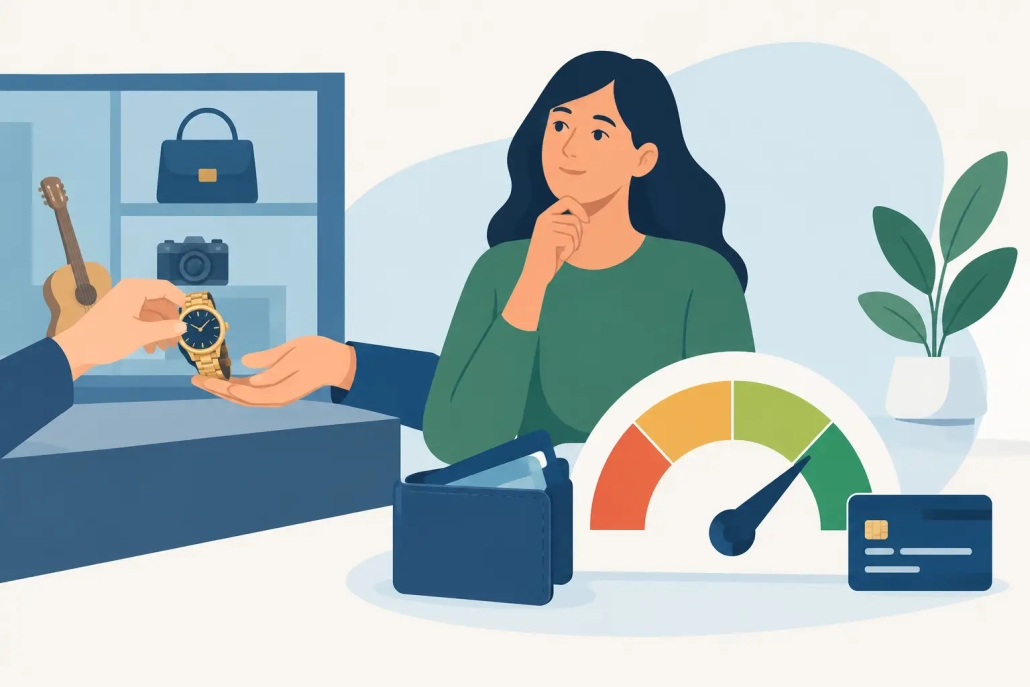
A surprise repair bill, overdue supplier invoice or short gap between jobs can put anyone under pressure. If you own a vehicle or piece of equipment, you may be asking: does pawning affect credit? In most cases, a traditional pawn loan does not affect your credit score because the loan is secured against your asset rather than approved on your credit history.
That is one reason pawning can be a practical option when cash is needed quickly. But the details matter. Before using your car, motorbike, boat, caravan, truck or machinery as security, understand what is and is not reported, what happens if you cannot repay, and how to protect yourself.
Does pawning affect credit in Australia?
Usually, no. A standard pawnbroking transaction is generally not the same as applying for a bank loan, credit card or personal loan. A pawnbroker assesses the value of the item offered as security, then lends a portion of that value under an agreed pawn contract.
Because the asset is the main security, a credit check is not normally needed to decide whether you qualify. No credit application generally means no credit enquiry appearing on your credit report. Your repayment history on that pawn arrangement also is not typically sent to a credit reporting body in the way a mainstream lender may report repayments, late payments or defaults.
For people who have had credit trouble, are rebuilding their financial position or simply do not want another enquiry on their file, this can make a pawn loan a more private short-term option.
That does not mean you should treat any loan lightly. You still need to read the contract, know the repayment date and be clear on the total amount required to redeem your asset.
Why a pawn loan works differently to bank finance
A bank usually lends based on your ability to repay. That often means checking your credit history, income, expenses, employment details and existing debts. The process can take time, and an application may be declined if your credit profile does not fit the lender’s criteria.
Pawnbroking takes a different approach. The loan is based on an asset you own. With vehicle-backed pawning, the lender considers factors such as the vehicle’s make, model, condition, registration status, market demand and wholesale value. The amount available is tied to the asset, not your credit score.
This is why a registered, roadworthy and unencumbered vehicle or equipment can be useful when you need funds fast. A ute, work van, motorbike, boat, jet ski, caravan, truck or machinery may have value you can use without going through the usual bank paperwork.
The trade-off is straightforward: your asset is security for the loan. If you do not meet the agreed terms, you may lose the asset. That is the key risk to weigh up before you proceed.
Will missing a pawn repayment hurt your credit score?
With a traditional pawn transaction, failing to repay does not usually create a credit default in the same way as an unpaid personal loan or credit card. The pawnbroker has security over the asset. If the loan is not redeemed or extended under the contract terms, the asset may be sold to recover the lender’s costs and the loan balance.
The immediate consequence is therefore usually about the asset, not your credit file. Losing a vehicle, boat or vital piece of work equipment can have a much bigger practical impact than many people expect. It may affect your ability to get to work, carry tools, complete jobs or manage family commitments.
However, do not assume every arrangement operates exactly the same way. If you sign a separate finance agreement, provide a direct debit authority, enter a repayment arrangement after the pawn term, or owe amounts outside the secured loan, the outcome may differ. Ask the lender clearly: will a credit check be performed, will this arrangement be reported to a credit reporting body, and what happens if I cannot repay on time?
Get the answer before you sign, not after the due date has passed.
What a pawnbroker may check instead
No credit check does not mean no checks at all. A responsible pawnbroker still needs to confirm who you are, that you own the asset and that it is suitable security.
For a vehicle-backed loan, expect questions about the registration, vehicle condition, outstanding finance and identification. The vehicle generally needs to be unencumbered, meaning there is no existing loan or finance company with a claim over it. You may also need to show that it is registered and roadworthy.
This is a faster and more direct process than a traditional credit application, but it is not a shortcut around the contract. Accurate information helps the valuation happen quickly and avoids delays when you need cash urgently.
Credit score versus your ability to borrow later
If a pawn loan is not reported to credit reporting bodies, it generally will not directly improve or damage your credit score. Paying it on time is still the right move, but it will not normally build a positive credit history in the way some other credit products can.
That may suit someone who only needs short-term funds and wants to keep the transaction separate from their credit file. It may not suit someone whose main goal is to establish a stronger recorded repayment history.
Also remember that lenders look beyond a score. When you later apply for a mortgage, car finance or business loan, they may review bank statements, regular expenses, existing debts and your overall financial position. A single pawn loan may not appear on your report, but managing your money well still matters.
When pawning can make sense
Pawning can be useful when the need is immediate and the repayment plan is realistic. It may help cover a short cash-flow gap, urgent mechanical repairs, unexpected household costs, a slow-paying customer or a temporary business expense.
It is often less suitable for ongoing financial pressure. If you are using one short-term loan to cover another every month, the issue may be bigger than a one-off cash shortfall. In that case, speak with a free financial counsellor or work through a budget before putting an essential asset at risk.
Ask yourself three practical questions. How much cash do I genuinely need? When will I have the funds to repay? Can I manage if I cannot redeem this asset by the due date? Honest answers will help you choose the right option.
Read these terms before pawning a vehicle
Speed matters when bills are due, but do not rush past the paperwork. Confirm the loan amount, fees and charges, repayment date, extension options and total amount needed to get your vehicle or equipment back.
You should also understand where the asset will be kept, whether it is insured while held as security, and what happens if it is not redeemed. If anything is unclear, ask for it to be explained in plain language. A legitimate lender should be direct about the process and the consequences.
At AutoPawn, the focus is on the value of eligible vehicles and equipment, not on lengthy bank-style credit assessments. That can provide a fast option for Queensland asset owners who need cash, provided they understand the terms and have a clear plan to repay.
A pawn loan should give you breathing room, not create a bigger problem later. If the numbers stack up and you can meet the agreed date, using an asset you already own may be a practical way to handle a short-term cash need without adding a credit enquiry to your file.



Leave a Reply
Want to join the discussion?Feel free to contribute!