
Can I Pawn My Work Truck for Cash Today?
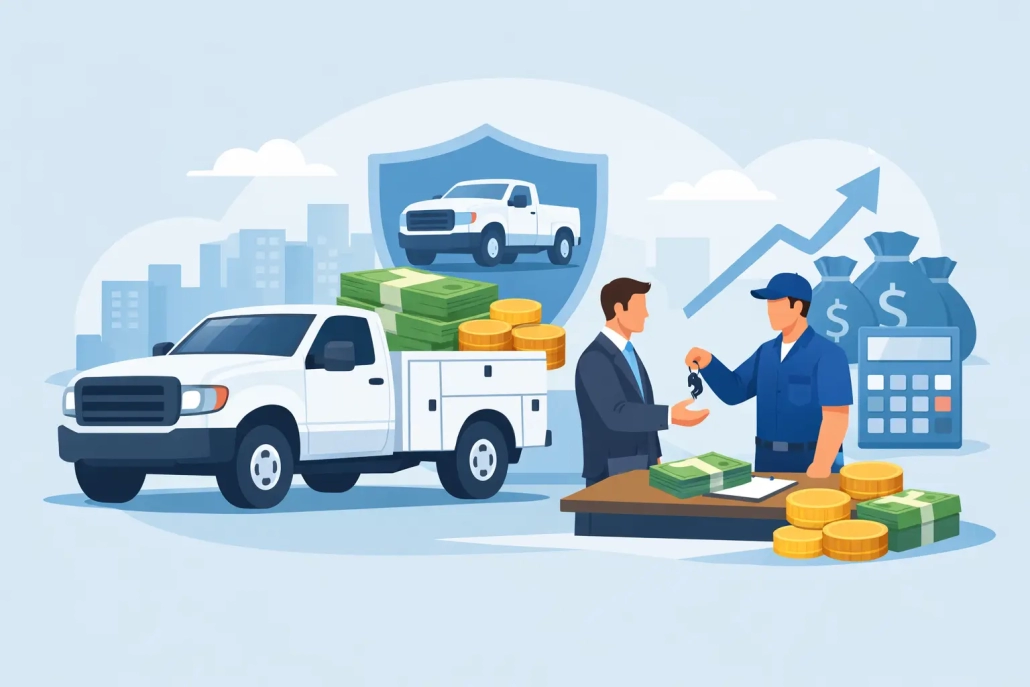
A work ute is more than transport. It gets you to site, carries your tools and keeps jobs moving. When a surprise bill, overdue supplier invoice or slow-paying customer puts pressure on cash flow, you may ask: can I pawn my work ute? If it is registered, roadworthy and owned outright, the answer can be yes.
Pawning a ute lets you borrow against an asset you already own, rather than relying on payslips, a long credit history or a bank application. The ute is the security for the loan. That can make it a practical option when you need money quickly and your vehicle has real resale value.
Can I Pawn My Work Ute in Queensland?
You can generally pawn a work ute if it meets the lender’s eligibility requirements. The key point is ownership. The ute needs to be unencumbered, meaning there is no finance owing on it and no other party has a registered interest in it.
It also needs to be registered and roadworthy. A lender will assess the ute’s condition, make, model, age, kilometres, service history and current market demand. A tidy late-model tray ute may have stronger value than an older vehicle with heavy wear, mechanical faults or accident damage. That does not automatically rule out an older ute, but it can affect how much is available to borrow.
For many tradies and small business owners, the process is simpler than trying to arrange a traditional business loan. Asset-backed lending is based primarily on the vehicle’s value, not your credit score. If you have had credit issues, irregular income or a recent knock-back from a bank, a suitable ute may still give you another way to access funds.
The trade-off is straightforward: your ute is held as security while the loan is active. If you cannot meet the agreed loan terms, you risk losing the vehicle. Only borrow an amount you have a realistic plan to repay.
What Your Work Ute Could Be Worth
The amount available is not based on what you originally paid for the ute or what it would cost to replace. It is based on its current wholesale value – the realistic amount the vehicle may achieve in the trade market.
At AutoPawn, loans can be advanced up to 55% of the assessed wholesale asset value. The actual amount depends on the ute and the assessment. A well-maintained Isuzu, Hino, Mitsubishi Fuso, Ford, Toyota or similar work vehicle with clean paperwork and strong market demand may provide more borrowing power than a comparable vehicle with damage or a difficult resale market.
Your equipment can also matter. A ute with a quality tray, service body, toolboxes, crane, refrigeration unit or other fitted equipment may be worth more, but the lender will need to inspect what is included. Be clear about any accessories that form part of the vehicle and provide supporting documents where available.
A quick valuation is usually the fastest way to get a realistic figure. It removes the guesswork and helps you decide whether pawning your ute is the right move before you commit.
What lenders normally check
A vehicle-backed lender will want to confirm the ute is yours to use as security and that it can be safely valued and sold if necessary. Expect checks on the registration, vehicle identification number, outstanding finance, condition and market value.
Bring photo identification, proof of ownership or registration details, and any service records you have. If the ute is registered to a company, partnership or trust, the process may require documents showing who is authorised to borrow against it. This is especially relevant for small operators whose business and personal finances are closely connected.
Be upfront about faults, insurance claims and modifications. It saves time and avoids a valuation changing later. A direct assessment is better than promising a figure that does not match the vehicle on inspection.
How Pawning a Work Ute Works
The process is designed for urgent situations. You provide the ute details, the lender assesses its value and verifies ownership, then a loan offer is made if the ute is suitable. Once you accept the terms and complete the paperwork, the funds can be paid on the same day. In suitable cases, cash can be available within the hour.
Unlike a bank loan, there is no need for a lengthy explanation of every expense, proof of income or a credit check. The focus is the asset. That is useful if a customer has not paid on time, your BAS bill is due, an urgent repair cannot wait, or you need working cash to keep the business moving.
You should still read the loan agreement carefully. Check the loan amount, charges, repayment date, extension options and what happens if you cannot repay on time. Fast finance should be clear finance. If a term does not make sense, ask before signing.
The main practical consideration is access to the ute. In a standard vehicle pawnbroking arrangement, the ute is left with the lender as security for the duration of the loan. That means it may not suit you if you need the vehicle every day to complete booked jobs. If your ute is your only income-producing vehicle, consider whether you can use another ute, van or crew vehicle until you redeem it.
For some owners, this is still the better option. A short-term loan against a second work ute, an older ute that is not currently on the road, or a vehicle you can do without for a period can solve a cash shortage without selling the asset permanently.
When Pawning Your Ute Makes Sense
Pawning a work ute can be useful for a short, defined cash gap. Examples include paying for emergency mechanical work on another vehicle, covering wages before an invoice clears, buying materials for a confirmed job, dealing with a household emergency or catching up on a bill that cannot be delayed.
It is less suitable for long-running financial problems with no clear repayment point. If you need funds every month just to cover ordinary operating costs, the loan can become another pressure point. In that situation, review your job pricing, payment terms, overdue invoices and ongoing expenses as well as your finance options.
It also may not be the right fit if the ute has existing finance. You generally cannot pawn a vehicle that is still secured to another lender. Paying out the finance first may be an option in some circumstances, but it needs to be assessed carefully. Never assume that handing over registration papers gives you the right to borrow against a ute you do not own outright.
Get Ready Before You Apply
A few simple checks can speed things up. Clean out the cab, remove personal tools and belongings, and make sure the ute is presentable for inspection. Bring every key you have. Find your registration details, service books and any paperwork for fitted equipment or major repairs.
If you know there is a mechanical issue, say so. A working vehicle with an honest assessment is easier to value than one with a problem discovered after the offer is discussed. The same applies to cosmetic damage, written-off history and changes to the engine, body or tray.
Before accepting any loan, work out your repayment plan. If payment depends on a customer invoice, allow for the chance that the customer pays late. If the loan is for an emergency, ask yourself what cash will be available to redeem the ute by the due date. A clear exit plan protects both your vehicle and your business.
Your work ute has earned its value on the road. If it is owned outright and you can manage the repayment, it may be the asset that gets you through a short cash squeeze without selling the tools of your trade for good.



Leave a Reply
Want to join the discussion?Feel free to contribute!