
Machinery Loan Without Payslips: Get Cash Fast
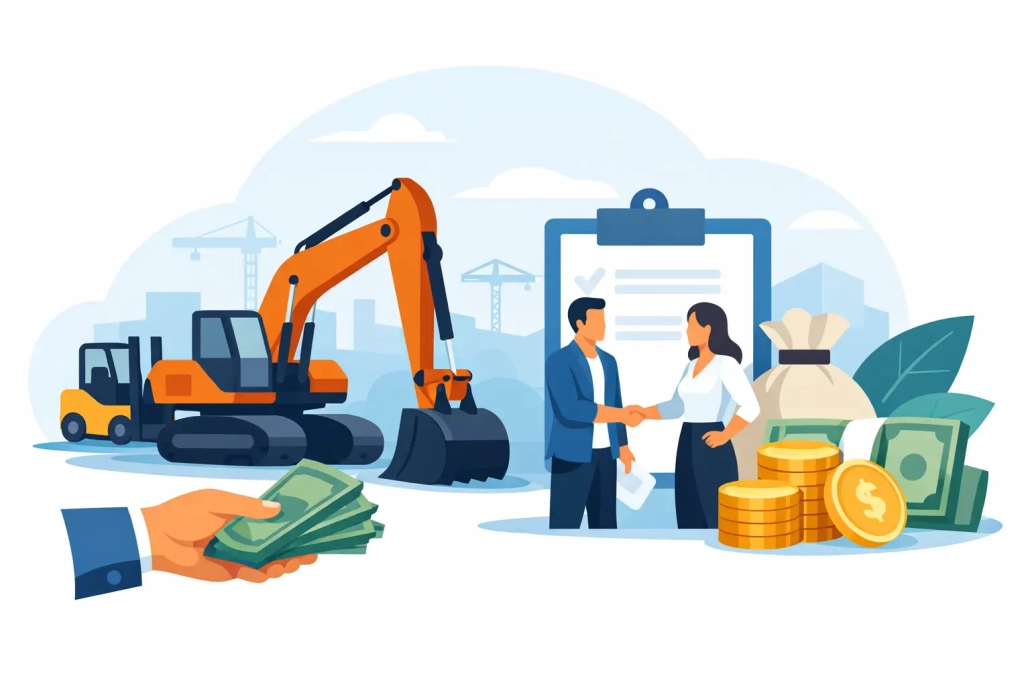
A broken work vehicle, overdue supplier invoice or unexpected repair can put pressure on anyone running a trade or small business. If you own valuable equipment, a machinery loan without payslips may give you a practical way to raise cash without waiting on a bank, producing wage records or going through a credit check.
This type of loan is secured against machinery you already own. The lender looks at the equipment and its resale value, rather than relying on your employment history, payslips or credit score. For the right asset, that can mean cash on the same day.
How a machinery loan without payslips works
With a traditional loan, the bank wants to know what you earn, where you work, how much you owe and whether your credit file meets its criteria. That process can take days or weeks. It can also be difficult if you are self-employed, between jobs, paid in cash, recently started a business or have had credit problems.
A machinery-backed loan works differently. Your eligible machinery is the security for the loan. Its age, condition, make, model, market demand and wholesale value are the key factors. If approved, you receive funds against the asset’s value and the machinery is held as security for the loan term.
At AutoPawn, loans can be advanced up to 55% of the wholesale value of an eligible asset. The exact amount depends on the machinery, its condition and how easily it can be assessed and resold if necessary.
You do not need payslips because the decision is based on the equipment, not your regular income. That does not mean there is no paperwork at all. You will still need to show identification and prove that you own the machinery. The process is simply far more direct than a standard finance application.
What machinery may be suitable?
Not every piece of equipment will qualify, but valuable, identifiable machinery in good working order is more likely to be considered. This may include excavators, skid steers, loaders, forklifts, tractors, access equipment, generators and other commercial or agricultural machinery.
The strongest applications usually involve machinery that is unencumbered, meaning there is no finance owing on it, and that has clear ownership records. Equipment should be in usable condition and easy to identify through serial numbers, registration or supporting documents where relevant.
Newer machinery can often support a higher loan amount, but older equipment may still have value if it is well maintained and in demand. A tidy, running machine with service history is easier to assess than equipment that is damaged, incomplete or sitting idle with unknown faults.
Why people choose this option
For many owners, the main benefit is speed. Your machinery may be worth a substantial amount, but that value does not help much when you need to cover a bill before close of business. Selling the asset outright can take time and may leave you without the equipment you need to earn money.
A secured machinery loan lets you access part of its value without going through the usual bank process. It can suit a short-term cash-flow gap, a tax bill, urgent repairs, wages, stock purchases or an unexpected personal expense.
It can also make sense for self-employed operators whose income changes from month to month. A good tradesperson or contractor may have valuable equipment but no neat set of fortnightly payslips. That should not automatically prevent them from accessing funds against an asset they own.
There are trade-offs. The loan is secured against your machinery, so it is vital to borrow only what you can realistically repay under the agreed terms. If the loan is not repaid, you may lose the equipment used as security. Read the loan agreement carefully, ask about all costs and make sure you understand the repayment date before accepting the funds.
What you will usually need to provide
The process is designed to be straightforward, but a lender still needs enough information to confirm the asset and its ownership. In most cases, expect to provide photo identification, ownership documents and details of the machinery.
Clear photos are helpful, especially images showing the whole machine, serial numbers, attachments, hour meter and any obvious wear. If you have purchase receipts, service records or registration documents, have them ready. These details can help establish the machinery’s condition and value quickly.
Be upfront about finance owing, damage, major repairs or missing parts. Trying to hide a problem only slows the assessment down. A clear picture of the asset gives you a more accurate answer and avoids wasted time when you need cash urgently.
A faster path from machinery to cash
The first step is usually a quick assessment of your machinery. Give accurate details about the make, model, year, condition and location. A lender may request photographs or arrange an inspection, depending on the type and value of equipment.
Once the asset is assessed, you will be told whether it is suitable and what amount may be available. If you accept the offer and the ownership checks are complete, funds can be paid out quickly. In suitable cases, that may be within the hour rather than days later.
The machinery is held as collateral for the agreed loan period. When you repay the loan and applicable charges within the terms, you redeem your asset. This is why the amount available is based on wholesale value, not an optimistic private-sale figure. The lender needs a realistic margin for the security being provided.
When this may not be the right choice
A machinery-backed loan is built for speed and short-term needs, not as a long-term replacement for business finance. If you need a large amount over several years to buy new equipment, refinance multiple debts or fund major expansion, specialist commercial finance may be a better fit.
It may also be unsuitable if the machinery is essential for a job already underway and you cannot manage without it during the loan period. Consider the practical impact before proceeding. Can you meet the repayment date without putting your work at risk? Is there another source of funds that costs less and is available quickly enough?
The best use is often a defined, temporary problem with a clear repayment plan. For example, you may need to bridge a gap until an invoice clears, cover an urgent repair that keeps your business operating, or deal with a one-off expense without selling equipment you have worked hard to own.
Get clear answers before you commit
Fast finance should still be clear finance. Before taking out a loan, confirm the amount you will receive, the full repayment amount, the due date, how extensions work if available, and what happens if you cannot repay on time. Keep copies of the agreement and ask questions before signing, not after.
A machinery loan without payslips can be a useful option when banks are slow, your income does not fit a standard application, or you simply need to turn an asset into cash quickly. If your machinery is owned outright and has real market value, it may be the practical breathing room you need to sort the immediate problem and get back to work.



Leave a Reply
Want to join the discussion?Feel free to contribute!