
Vehicle Valuation for Fast Cash Loan Decisions
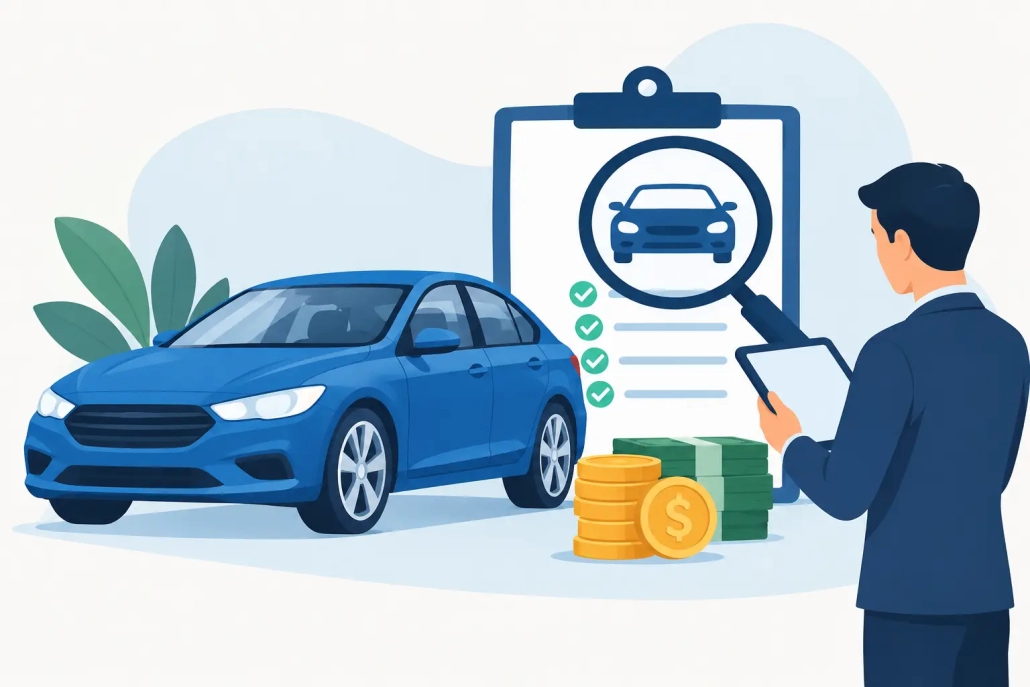
A broken work ute, an overdue supplier bill or an unexpected repair can put serious pressure on your cash flow. A vehicle valuation gives you a clear starting point: what your car, bike, truck, boat or machinery is worth in the current market, and how much usable value it may hold for a secured loan.
For a vehicle-backed loan, the value is about more than what you paid for the asset or what similar vehicles are advertised for online. Lenders need to assess what the asset could realistically sell for if it had to be moved on quickly. That is why the condition, ownership status, demand and documentation all matter.
What a vehicle valuation really means
Vehicle valuation is the process of estimating an asset’s current market value. In a fast-cash lending setting, the key figure is usually the wholesale value, not the retail price.
Retail value is the amount a dealer may advertise a vehicle for after allowing for preparation, warranty obligations, overheads and a profit margin. Wholesale value is closer to what a dealer or trade buyer may pay to acquire it. It is generally lower than a private-sale or dealership asking price, but it is the more practical figure when assessing a short-term loan secured against the asset.
That difference can catch people out. You may see similar cars listed online for $20,000, but those listings do not automatically mean your vehicle has a $20,000 loan value. Advertised prices are often negotiable, vehicles may be better specified, and some remain listed because buyers are not prepared to pay the asking price.
A proper assessment looks at what your specific vehicle is likely to be worth now, in its actual condition, in the local market.
What affects your vehicle valuation?
Make, model, year and kilometres provide the basic framework, but they are only part of the picture. Two vehicles with the same badge and age can have very different values.
Condition is one of the biggest factors. A clean, roadworthy vehicle with decent tyres, a tidy interior and no major body damage will usually present better than one that needs mechanical attention. Minor wear is expected on a working vehicle, especially a ute, van or truck. Major faults, warning lights, accident damage, rust or a rough engine can reduce the assessed value quickly.
Service history also helps. Logbooks, invoices and evidence of regular servicing show that the asset has been looked after. For machinery, boats and jet skis, maintenance records can be particularly useful because buyers want confidence that engines, hydraulics and major components have been maintained properly.
Market demand matters as well. Popular, reliable models with readily available parts often hold value better than unusual vehicles with limited buyer demand. A late-model dual-cab ute, practical family SUV or well-kept work van may attract more interest than a vehicle that is difficult to insure, expensive to repair or out of favour with buyers.
Specification can lift value, but only when it is useful. Four-wheel drive capability, towing equipment, tray upgrades, quality toolboxes or a service body can add appeal to the right buyer. The same goes for caravans with sought-after layouts or boats with well-maintained trailers and reliable motors. On the other hand, heavily modified vehicles can be harder to value if the changes limit the pool of buyers or affect roadworthiness.
Why wholesale value matters for secured loans
A vehicle-backed loan is assessed against the asset, not your credit score. This can suit people who need money quickly but do not want to deal with bank paperwork, income checks or a credit application that drags on for days.
The lender still needs enough value in the vehicle to manage the risk. If a borrower cannot redeem the loan, the asset may need to be sold. Wholesale value provides a more realistic basis for this than a hopeful private-sale price.
The amount available is normally a percentage of that wholesale value. At AutoPawn, eligible customers may be able to access up to 55% of wholesale asset value. The exact amount depends on the vehicle and its condition, demand, paperwork and overall suitability as security.
This approach is straightforward, but it comes with a trade-off. A secured lender may move faster and place less focus on your financial history, yet the loan amount will not match every dollar the vehicle could theoretically sell for. That margin protects against market changes, selling costs and the time required to resell an unredeemed asset.
How to give your asset the best chance of a fair assessment
You do not need to spend thousands preparing a vehicle for valuation. In fact, major work rarely makes sense if you need cash urgently. But presenting the asset properly can make the process smoother and ensure its condition is assessed accurately.
Start with the practical basics. Bring the vehicle clean enough for its condition to be seen clearly, remove personal belongings and make sure it can be inspected. Have the keys available, including spare keys if you have them. For registered vehicles, bring current registration details and photo identification.
If you have service books, repair invoices, manuals, finance payout information or proof of ownership, bring those too. These documents can answer questions quickly and reduce delays. For boats, caravans, jet skis and machinery, include any relevant registration, serial numbers, maintenance records and accessories that form part of the asset.
Be upfront about faults. A transparent assessment is better than finding out later that a mechanical issue changes the offer. Small cosmetic marks are not usually the main issue. What matters most is whether the asset is roadworthy or operational, legally yours to use as security, and saleable in the current market.
Registered, unencumbered and roadworthy: why these details count
For many vehicle-backed loans, the asset needs to be registered, unencumbered and roadworthy. These are not just technical requirements. They determine whether the asset can be accepted as security and how easily its ownership can be verified.
An unencumbered vehicle does not have money owing against it under an existing finance agreement. If another lender already has a claim over the asset, there may be limited or no usable equity available. In some cases, an existing payout can be considered, but it depends on the numbers and the lender’s process.
Roadworthy does not mean showroom perfect. It means the vehicle is safe and legal to use on the road. Serious mechanical defects, bald tyres, major body damage or unresolved safety issues can affect the valuation and may prevent the vehicle from being accepted.
Registration and matching identification details help confirm the asset is genuine and owned by the person applying. This protects both the customer and the lender from avoidable complications.
Vehicle valuation for more than cars
Cars are only one type of asset with borrowing value. The same practical assessment applies to motorbikes, utes, vans, trucks, caravans, boats, jet skis and business machinery.
For a tradesperson, a work vehicle or machine may be the asset with the strongest value. For a family facing a short-term expense, a second car, boat or caravan may provide another option without selling it outright. The right asset depends on what you own, whether it is fully paid off, and whether you can meet the loan terms needed to redeem it.
Each category has its own value drivers. Truck valuations can depend heavily on kilometres, service records and body configuration. Caravan values can change with age, layout, water damage and inclusions. A boat’s value may come down to engine hours, trailer condition and maintenance history. Machinery is often judged on operating hours, attachments and demand within its trade.
Get clarity before you make a decision
A vehicle valuation is not a promise that you must borrow, sell or hand over your asset. It is a practical way to understand what you have available when cash is tight. Ask what value has been used, what loan amount is available, what the repayment terms are and what happens if you cannot redeem the loan on time.
The best decision is the one that solves the immediate problem without creating a bigger one later. If you own a registered, roadworthy asset outright, a clear valuation can turn uncertainty into an option when you need cash without the usual run-around.



Leave a Reply
Want to join the discussion?Feel free to contribute!