
Guide to Vehicle Pawn Process for Fast Cash
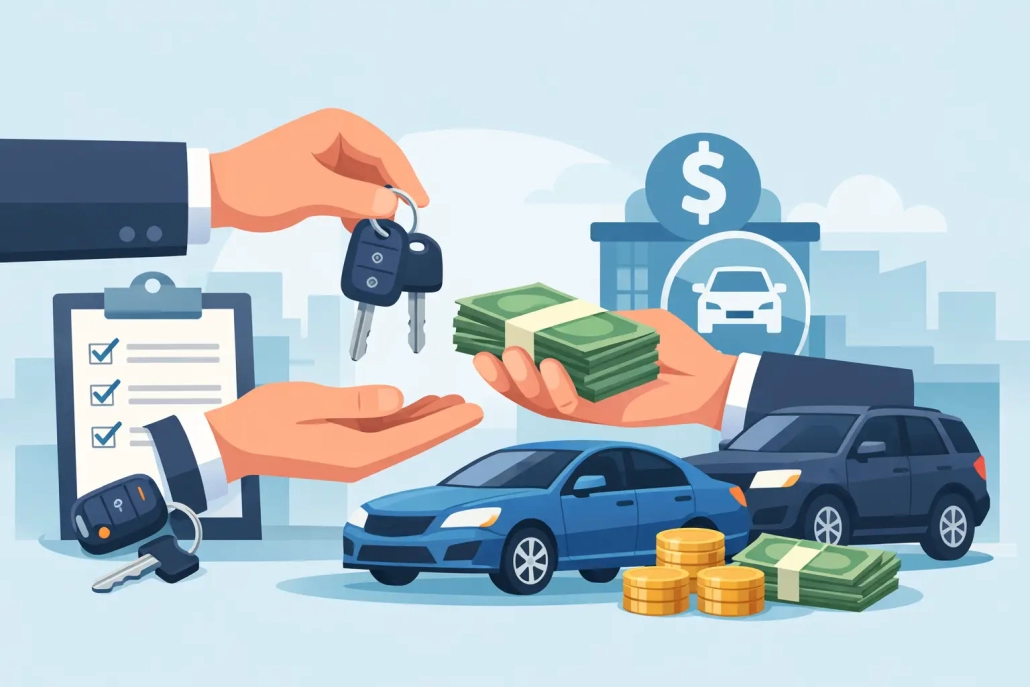
A flat tyre is inconvenient. A failed gearbox, overdue supplier invoice or emergency bill can put serious pressure on your week. If you own a vehicle outright, this guide to vehicle pawn process shows how you may turn that asset into fast cash without the bank paperwork, credit checks or long wait.
Vehicle pawning is a secured short-term loan. The lender assesses the value of your car, motorbike, boat, caravan, truck or equipment, then lends against it. Your asset is the security, so the focus is on its condition, ownership and resale value rather than your credit history or payslips.
For the right situation, it can be a practical way to bridge a short cash-flow gap. It is not a free loan, though. You need to understand the costs, repayment date and what can happen to your asset before you sign.
How the vehicle pawn process works
The process is designed to be straightforward because urgent expenses rarely wait for a bank appointment. While exact terms depend on the asset and lender, the basic steps are usually the same.
1. Check that your vehicle is eligible
A pawn lender generally needs an asset that is owned by you, registered where registration applies, and in roadworthy, saleable condition. The vehicle must be unencumbered. In plain terms, there cannot be finance owing on it or another party with a registered interest in it.
Eligible assets can include cars, utes, motorbikes, vans, trucks, caravans, boats, jet skis and machinery. Age, kilometres, condition, make, model and market demand all affect whether an asset is suitable and how much can be advanced.
Bring proof of identity and documents that show ownership and registration. If you are pawning business equipment, be ready to show that you have authority to use it as security. Do not assume an asset registered in a partner’s, employer’s or finance company’s name can be pawned without the proper consent.
2. Arrange an appraisal
You provide the asset details, usually including its make, model, year, kilometres or hours used, registration and overall condition. Clear information helps the lender give you a realistic indication before an inspection.
The asset is then inspected and valued against the wholesale market, not the optimistic price you may see in private-sale advertisements. Wholesale value reflects what the lender could reasonably expect to recover if an unredeemed asset had to be sold. That is why a pawn loan amount can be lower than what you believe the vehicle would fetch privately.
AutoPawn advances up to 55% of wholesale asset value, subject to assessment. A clean, well-maintained late-model vehicle with strong demand will usually support a different loan amount from an older vehicle with mechanical issues or a limited resale market.
3. Receive the loan offer and read the agreement
Once the valuation is complete, you receive an offer setting out the loan amount, term, fees, interest or charges, and the amount required to redeem your asset. This is the point to slow down, even if you need cash quickly.
Ask how much you will need to pay on the due date, whether early repayment is available, and what arrangements apply if you need more time. Make sure you understand every cost in dollars, not just a rate or percentage. A short loan may suit an expected invoice, tax refund or upcoming payday. It is less suitable if there is no clear way to repay.
A reputable lender should explain the agreement in plain language. If a figure or condition does not make sense, ask before signing. Fast service should never mean being rushed past the terms.
4. Leave the vehicle or asset as security
In a traditional vehicle pawn arrangement, the lender takes possession of the asset for the loan period. It is stored securely while the loan remains outstanding. This is different from a loan where you keep driving the vehicle but the lender registers a security interest against it.
That distinction matters. If your car is how you get to work, collect the kids or run a trade business, losing access to it for the loan term may create another problem. Consider whether you have another vehicle, public transport or a realistic way to manage without it.
Before handing over the keys, remove personal belongings from the glovebox, centre console, boot and door pockets. Take photos of the vehicle’s condition and note included accessories. Keep a copy of the agreement and any receipt for the asset.
5. Get your cash
After the agreement is accepted and the asset is secured, funds can be paid promptly. With the right asset and documents ready, same-day cash may be possible, often within the hour.
This is where vehicle pawning can be useful for a short, urgent need. There are no credit checks, proof of income requirements, application fees or traditional loan paperwork in the usual bank sense. The lender is assessing the asset rather than asking you to prove a perfect borrowing history.
That accessibility is valuable for people who have been knocked back elsewhere. It does not remove the responsibility to repay, so borrow only what you need and can reasonably redeem.
6. Repay and collect your asset
To redeem the vehicle, repay the agreed loan amount plus the charges set out in your contract by the due date. Once the account is finalised, you collect your asset.
If your circumstances change, contact the lender before the due date rather than going quiet. There may be options available under the agreement, but extensions or renewals can add costs and are not automatically the best choice. Get the revised amount and date in writing, then decide whether it is workable.
What happens if you cannot repay?
This is the part of the vehicle pawn process that deserves a clear answer. If the loan is not repaid according to the agreement, the lender may be entitled to sell the pledged asset to recover the debt. You could lose the vehicle, boat or equipment you used as security.
That is why vehicle pawning is best used as a short-term solution with a realistic exit plan. It may make sense when money is due to arrive soon or an unexpected expense cannot wait. It may be the wrong fit if you are already juggling repayments with no likely change in your income or cash flow.
Before proceeding, write down the redemption amount and date. Then ask yourself whether you could still repay if an invoice is late, a job is cancelled or another bill turns up. If the answer is no, it may be wiser to explore another option before placing an essential asset at risk.
How to get a better vehicle pawn valuation
You cannot control the market value of your asset, but you can make the appraisal easier and avoid unnecessary delays. Present the vehicle clean, bring both keys if available, and have registration and ownership documents ready. Mention useful extras such as service records, spare accessories or recent mechanical work.
Be honest about faults, damage and finance history. Hidden issues can reduce confidence, delay the offer or cause problems after the inspection. A clear, accurate description gets you to a firm answer faster.
Do not rely on online asking prices alone. A private seller can wait for the right buyer; a pawn lender must value the asset conservatively because it is providing cash now and taking the resale risk if the loan is not redeemed.
Questions worth asking before you pawn
The best questions are practical. What is the exact amount I must pay to get my asset back? What is the due date? Where will the asset be stored? Can I repay early? What happens if I am late? Is there a charge for extending the loan? What documentation will I receive when I redeem it?
Also ask whether the arrangement requires you to leave the asset with the lender. Never assume you can keep using a car, truck or machine just because it is being used as security. The answer changes whether the loan is workable for your household or business.
Fast cash works best with a clear plan
Vehicle pawning is not about explaining every detail of your finances to a bank. It is about using an asset you own to deal with a short-term need quickly. For Southeast Queensland owners with an unencumbered, roadworthy asset, a clear valuation and an achievable repayment plan can turn a stressful bill into a manageable next step.
If you are considering it, have your vehicle details and ownership documents ready, know the amount you actually need, and only proceed once the redemption figure makes sense for your budget. That is the practical way to get cash fast while protecting the asset you worked hard to own.



Leave a Reply
Want to join the discussion?Feel free to contribute!