
How to Pawn a Motorbike for Fast Cash in QLD
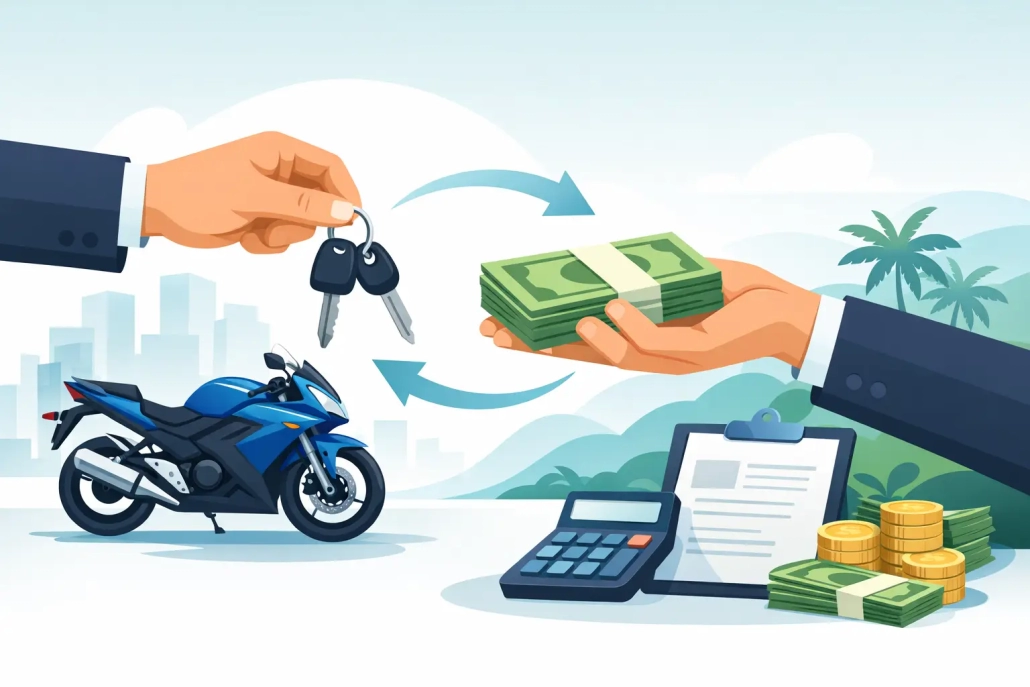
A blown gearbox, overdue rent, a slow-paying customer or an unexpected medical bill can put pressure on your cash flow fast. If you own a registered motorbike outright, learning how to pawn a motorbike can give you a practical way to access money without the delays, credit checks and paperwork that often come with a bank loan.
A motorbike pawn loan is secured against the bike itself. The lender assesses the motorbike’s condition, registration and market value, then offers a loan based on that asset. Your credit history and income are not the main focus. The bike is.
For Queensland riders who need cash quickly, that can make a real difference. But a good decision starts with knowing what is required, what your bike may be worth and what happens if you cannot repay the loan.
How to pawn a motorbike in Queensland
The process is straightforward when your motorbike is eligible. You take the bike and the required documents to a vehicle pawn lender, the lender inspects and values it, and you receive a loan offer. If you accept the terms, the paperwork is completed and funds can be available the same day.
Unlike selling your bike, pawning it is a short-term secured loan. You are borrowing against its value rather than giving up ownership permanently. You can redeem the motorbike by repaying the agreed loan amount, interest and applicable fees within the loan term.
That said, read the agreement before signing. A pawn loan is not free money, and it is only sensible if you have a realistic plan to repay it. If the loan is not repaid under the agreed terms, the lender may be entitled to sell the motorbike to recover the debt.
1. Check that your motorbike is eligible
A lender will generally want a motorbike that is registered, roadworthy and owned outright by you. “Owned outright” means there is no money owing to a finance company or other secured lender. A bike with existing finance attached cannot usually be used as security unless that finance is cleared first.
The bike should also be in reasonable condition. Scratches and normal wear do not automatically rule it out, but significant crash damage, serious mechanical issues, missing parts or poor tyres can reduce its value. Modified bikes can still be considered, although modifications do not always add the same value to a loan assessment as they cost to install.
High-demand makes, late-model bikes, cruisers, sport bikes, adventure bikes and clean learner-approved bikes may attract stronger values, depending on condition and the local resale market. The exact amount always depends on the individual motorbike.
2. Bring the right documents
Turning up prepared helps keep the process moving. You will normally need:
- Photo identification, such as a current driver licence or passport
- Proof that the motorbike is registered in your name
- Proof of ownership or purchase documents where available
- The bike’s keys, including spare keys if you have them
- Any service records, receipts or accessory information that support its condition and value
If your registration details do not match your ID, raise it before the assessment. A recent name change, inherited bike or registration transfer can usually be clarified with the right paperwork, but it may take longer if the ownership trail is unclear.
3. Have the motorbike assessed and valued
The lender will inspect the bike and check details such as the make, model, year, kilometres, VIN, registration status, overall condition and market demand. They may also check for finance interests or other issues affecting ownership.
The loan offer is usually based on a percentage of the bike’s wholesale value, not the private-sale price you might hope to get on a classifieds site. That distinction matters. A private buyer may pay more because they are buying to ride the bike. A pawn lender needs to account for resale costs, time and market risk if the loan is not redeemed.
At AutoPawn, eligible vehicles and equipment may be considered for loans of up to 55% of wholesale asset value. This is why presenting a clean, well-maintained bike with its records and keys can help support a fair assessment.
Do not spend money on cosmetic work purely to chase a higher loan unless it is genuinely needed. A basic wash, tyre pressure check and gathering your service history are sensible. Expensive upgrades or repairs often will not return dollar for dollar in a secured loan valuation.
4. Review the loan offer properly
Fast cash should still come with clear terms. Before you agree, ask how much you will receive, the full repayment amount, the due date, interest, fees and what options are available if you need more time.
Make sure you understand whether the motorbike will be stored by the lender for the duration of the loan and how it will be kept secure. In a vehicle-backed pawn arrangement, the lender generally takes possession of the asset while the loan remains outstanding. That means you need to consider whether you can manage without the bike for the agreed period.
If you rely on your motorbike to get to work, deliver orders or travel between jobs, pawning it may not be the right fit unless you have another way to get around. The fastest option is not automatically the best one if it creates a bigger problem next week.
5. Accept the loan and receive your funds
Once you are happy with the offer and the terms, you sign the agreement, hand over the motorbike and keys, and receive the funds. A vehicle pawn lender may be able to finalise approved loans within the hour, depending on the bike, documentation and assessment requirements.
There is generally no need for payslips, bank statements or a credit check because the loan is secured by the motorbike. That can be useful when your credit file is less than perfect, you are self-employed, between jobs or simply do not want to wait for a traditional lender’s approval process.
Keep a copy of your agreement and note the repayment date immediately. Set a reminder on your mobile a few days before it is due, not just on the due date itself.
What affects the amount you can borrow?
There is no fixed amount for every bike. Two seemingly similar motorbikes can receive very different offers because age, kilometres, condition and demand vary.
A tidy, low-kilometre Yamaha, Honda, Kawasaki, Suzuki, KTM, Harley-Davidson or BMW with current registration and a clear ownership history may be easier to value than an older bike with unknown kilometres or incomplete paperwork. But brand alone does not guarantee an amount. A popular model in good mechanical condition will normally be more useful as security than a costly brand with major problems.
The time of year can also affect demand. Adventure and recreational bikes may see stronger interest in some seasons, while a bike that has sat unused for years can raise questions about servicing, fuel condition and reliability. Be honest about faults. They are likely to be found during inspection, and clear information helps avoid wasted time.
Pawning a motorbike versus selling it
Selling may deliver more money, especially if you have time to advertise, answer messages, arrange inspections and wait for the right buyer. The trade-off is that the process can drag on, and once sold, the motorbike is gone for good.
Pawning is usually better suited to a short-term cash gap when you want the option to get the bike back. You will likely borrow less than you could sell it for, and you will pay borrowing costs, but you avoid permanently parting with an asset you intend to keep.
The right choice depends on your situation. If you no longer ride the bike and do not expect to redeem it, selling may make more sense. If the bike is valuable to you and you can see a clear repayment date ahead, a pawn loan may be the more practical path.
Before you hand over the keys
Remove personal items from luggage compartments, take photos of the bike’s condition and make sure you understand the repayment schedule. Ask direct questions if anything in the agreement is unclear. A reputable lender should explain the process in plain language, including what happens if you repay early or need to discuss an extension.
Pawning a motorbike works best when it solves a temporary problem, not when it postpones one without a repayment plan. If the numbers stack up and your bike meets the requirements, it can turn an asset sitting in the garage into same-day cash when you need it most.



Leave a Reply
Want to join the discussion?Feel free to contribute!