
How to Pawn a Car and Get Cash Fast
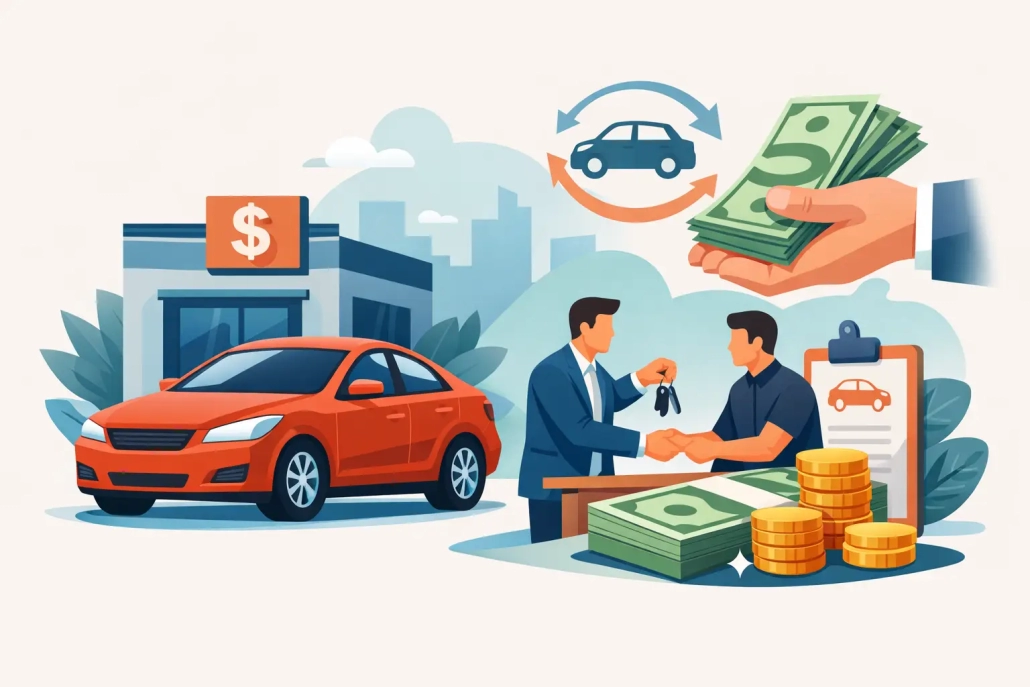
A blown gearbox, overdue supplier invoice, rent due Friday – this is usually when people start searching how to pawn a car. If you own your vehicle outright and need money quickly, pawning your car can be one of the fastest ways to access cash without the usual bank hassle. The key is knowing how the process works, what lenders look for, and what you need to have ready before you apply.
How to pawn a car in Australia
Pawning a car is simple in principle. You use your vehicle as security for a short-term loan. The lender assesses the car, confirms ownership and condition, and offers a loan amount based on the vehicle’s value. If you accept the offer, you sign the loan documents and receive the funds. Once the loan is repaid, the car is returned or the security is released, depending on the agreement.
This is not the same as selling your car. You still own the vehicle unless you default under the loan terms. It is also different from an unsecured personal loan. The lender is focused mainly on the asset, not your credit score, payslips or bank-style affordability tests.
That is why car pawning appeals to people who need fast cash for short-term pressure. Tradies, sole traders, parents, shift workers and small business owners often use it when they have value tied up in a vehicle but need money now, not next week.
What you need before you pawn a car
If you want the process to move quickly, get your paperwork and vehicle sorted before making an enquiry. Most lenders will want to see that the car is registered, roadworthy and owned by you. In practice, that means having photo ID, proof of address if required, and registration details available.
The biggest factor is ownership. In most cases, the vehicle needs to be unencumbered, which means there is no existing finance owing on it. If another lender already has a security interest over the car, that limits what can be done and may stop the application altogether.
Condition matters too. A clean, running, roadworthy vehicle with reasonable kilometres and no major damage is easier to assess and usually attracts a stronger loan offer. That does not mean the car has to be perfect. It does mean obvious mechanical issues, accident damage or poor presentation can reduce the amount available.
If you have service records, spare keys or anything else that supports the vehicle’s value, have that ready as well. It can help speed up the valuation.
Cars that are usually accepted
Passenger cars, utes, vans and 4WDs are the most common. Depending on the lender, other assets such as motorbikes, caravans, boats, jet skis, trucks and machinery may also be accepted. The broader point is this: the asset needs to have a real resale market and enough value to support the loan.
Cars that may be harder to pawn
Very old vehicles, heavily modified cars, unregistered cars, written-off vehicles or cars with serious mechanical faults are often harder to use as security. Luxury vehicles can go either way. Some are strong assets, while others are expensive to move on and can be valued more cautiously.
How much can you borrow?
This is where expectations matter. You do not borrow against the retail price you see in online ads. Car pawn loans are normally based on a percentage of the vehicle’s wholesale or trade value. That figure is lower than private sale price because the lender is assessing risk, resale time and market demand.
A realistic guide is that many lenders will advance up to around 55% of wholesale asset value, although the exact amount depends on the vehicle and the loan terms. Newer, clean, in-demand vehicles usually perform better than older cars with patchy history or limited resale appeal.
If you were hoping to borrow the full value of the car, that is not how this market works. The loan amount needs to leave enough buffer for the lender’s risk. It can still be a useful solution if you need a few thousand dollars quickly and have enough equity in the vehicle.
What happens during the valuation
The valuation is usually quick, but it is not random. The lender will look at the make, model, year, kilometres, service history, condition and market demand. They may inspect the interior, exterior, tyres and basic mechanical presentation. They will also check registration and ownership details.
Presentation helps. A washed car with a tidy interior gives a better first impression than one full of tools, dog hair and takeaway wrappers. It will not turn a worn-out vehicle into a premium asset, but it can make the assessment smoother and support confidence in how the car has been maintained.
Honesty matters as well. If the car has issues, say so upfront. It saves time and avoids problems later in the process.
How fast can you get the money?
Speed is one of the main reasons people choose this option. If the car qualifies and you have the right documents, same-day approval and payment is common. In straightforward cases, funds can be released within the hour.
That speed comes from a simpler lending model. Instead of digging through credit files, income statements and weeks of paperwork, the lender is mainly assessing the vehicle. For borrowers under pressure, that can make a big difference.
Still, fast does not mean careless. Read the loan terms before signing. A quick loan should still be a clear loan.
What to check before you agree
If you are comparing providers, do not focus only on the cash amount. You need to understand the full deal. Ask what the fees are, how interest is charged, how long the loan runs, what happens if you need more time, and what the default process looks like.
You should also ask whether you keep the vehicle or whether it is stored by the lender during the loan term. Different lenders structure this differently. For some borrowers, handing over the vehicle is manageable. For others, especially if the car is needed for work, it is a deal-breaker.
A good lender will explain the terms in plain English. If the answer feels vague, rushed or harder than it needs to be, step back.
Is pawning a car a good idea?
It depends on why you need the money and how quickly you can repay it. If you have a short-term cash gap and a clear exit plan, pawning a car can be practical. It is often quicker than bank finance and more accessible if your credit history is not perfect.
If your finances are already stretched and there is no realistic plan to repay the loan, it may create more pressure later. A car pawn loan is best used as a short-term tool, not a long-term fix.
That is the trade-off. You get speed and simplicity, but the loan is secured against an asset you own. You need to be comfortable with that risk before you proceed.
Common mistakes when learning how to pawn a car
One mistake is assuming every registered car will qualify. Some vehicles simply do not have enough lending value. Another is overestimating what the car is worth based on sentimental value or private sale asking prices.
People also get caught by leaving the enquiry too late. If you need cash urgently, having your ID, rego details and ownership documents ready can save time. Waiting until the last minute usually makes everything feel harder than it needs to.
The last mistake is not asking the obvious questions. If you do not understand the fees, repayment date or what happens if you miss a payment, ask before signing. Straight answers should come easily.
Who this option suits best
Car pawning tends to suit people who own a vehicle outright, need funds quickly, and want a simpler path than a bank or unsecured lender can offer. That includes tradies covering short-term expenses, business owners bridging a cash-flow gap, and everyday borrowers dealing with urgent bills or unexpected costs.
For borrowers in Southeast Queensland, experienced vehicle-backed lenders such as AutoPawn focus on fast assessments, no credit checks and same-day cash on eligible vehicles. That local, asset-based approach is often what makes the difference when time is tight.
If your car is sitting in the driveway with value in it, the real question is not just how to pawn a car. It is whether that value can solve today’s problem without creating a bigger one next month.



Leave a Reply
Want to join the discussion?Feel free to contribute!