
Car Collateral Versus Refinancing: Which Works?
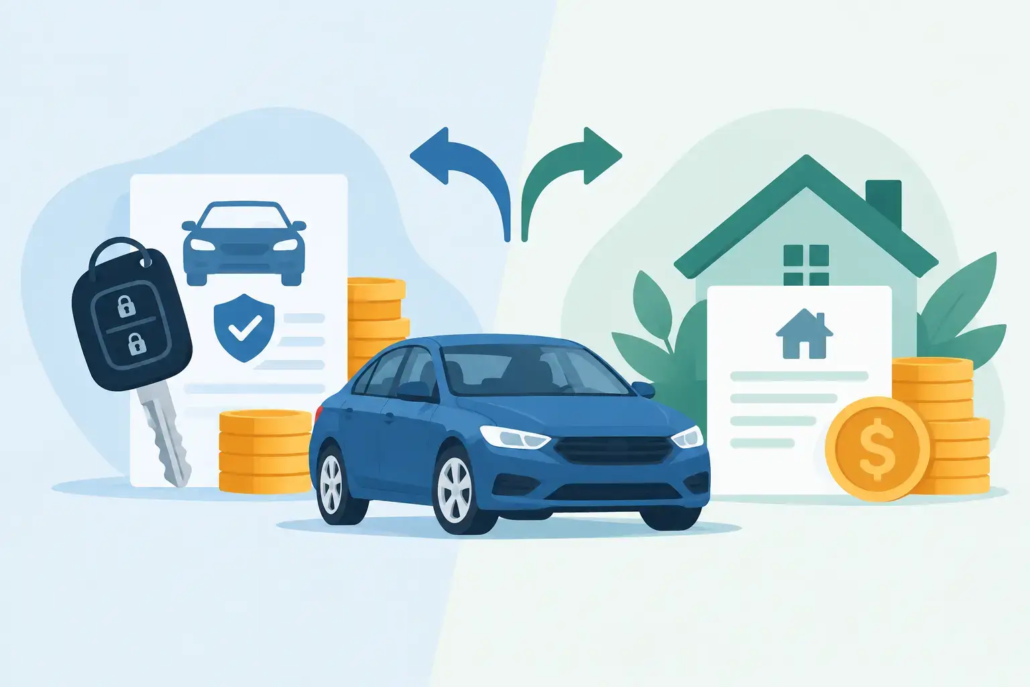
Your car may be worth more to you than a way to get to work. When an urgent bill, repair or short-term cash gap hits, it can also be the asset that helps you raise funds. But car collateral versus refinancing are two very different options, and choosing the wrong one can cost you time when you do not have it.
Refinancing is generally built for borrowers who can wait, meet lender criteria and want to replace an existing car loan. A car collateral loan is designed for people who own a suitable vehicle outright and need a direct path to cash. The better option depends on what you own, how quickly you need money and what you can realistically repay.
Car Collateral Versus Refinancing: The Core Difference
Refinancing means taking out a new loan to replace your current car finance. People commonly refinance to seek a lower interest rate, change their repayment amount or consolidate the balance into another lending arrangement. Your new lender pays out the old finance, then you make repayments to the new lender.
A car collateral loan uses the value of a vehicle you already own as security for a short-term loan. Rather than assessing you mainly on your credit history, payslips and borrowing record, the lender assesses the asset. At AutoPawn, eligible vehicles must generally be owned outright, registered and roadworthy. The amount available is based on the vehicle’s wholesale value, not what it cost new or what similar cars are advertised for online.
That difference matters. If your car is still under finance, refinancing may be relevant. If there is no finance owing and you need cash without a long application process, collateral may be the more practical route.
When Refinancing Can Make Sense
Refinancing can be worthwhile when the main problem is the existing car loan itself. Perhaps your interest rate is high, your repayments no longer suit your budget, or your financial position has improved since you first took out finance.
It usually suits people with a stable income, enough time to compare offers and a credit profile that meets the new lender’s requirements. Mainstream lenders will commonly look at your credit file, income, expenses, current debts and repayment history. They may also require paperwork and take time to assess the application.
If approved, a refinance may reduce the pressure of monthly repayments. But it is not automatically cheaper. A lower rate can be offset by application fees, establishment costs, break fees on the existing loan or a longer loan term. Stretching repayments over more years may lower the weekly amount while increasing the total cost.
Refinancing is also not an instant source of extra cash. Some loans allow a cash-out component, but this still depends on the lender’s valuation, your equity in the vehicle and your ability to pass their assessment. If the car is worth less than the amount owing, your choices may be limited.
When a Car Collateral Loan Is the Better Fit
A collateral loan is usually about speed and simplicity. You have an asset, the asset has value, and you need funds for a clear short-term reason. That may be a ute repair before the next job, overdue household bills, a supplier payment, medical costs or a gap between invoices being paid.
For a person with poor credit, irregular income or limited paperwork, this can be a major difference. A traditional lender may focus on why your bank statements do not fit a standard box. A vehicle-backed pawnbroker focuses on the vehicle being offered as security.
This does not mean the loan is risk-free or that every vehicle will qualify. The vehicle needs to have enough value, and the amount offered will be a portion of its wholesale value. AutoPawn can advance up to 55% of wholesale asset value on suitable vehicles and equipment. That buffer helps manage the risk attached to secured lending.
Collateral lending may also suit owners of motorbikes, vans, trucks, caravans, boats, jet skis and machinery, not only cars. For tradies and small business owners, equipment can be a useful source of short-term working cash when waiting on a payment is not an option.
Speed, Paperwork and Approval Requirements
The real dividing line is often urgency. A refinance application can take days or longer, particularly where the lender needs more documents, a valuation or clarification about your finances. Even a pre-approval is not the same as having money available.
With a vehicle collateral loan, the process is built around the asset. You provide identification and proof that you own the vehicle, the vehicle is inspected and valued, and the loan terms are explained. For eligible assets, funds may be available within the hour.
That is why collateral lending is often considered when the deadline is close. It does not replace long-term financial planning, but it can solve a short-term cash problem without waiting for a bank appointment or a credit decision.
Before proceeding, ask clear questions about the loan amount, fees, repayment date and what happens if you cannot repay on time. Also confirm the vehicle arrangement. In pawnbroking, possession of the secured asset may be part of the transaction. Do not assume you can keep using the vehicle unless that has been specifically agreed.
Compare the Total Cost, Not Just the Rate
People often compare loans by interest rate alone. That makes sense with a long-term car loan, but it can be misleading when comparing a refinance with a short-term collateral loan.
A refinance may carry a lower advertised rate, yet involve extra fees and a much longer repayment period. A collateral loan may cost more over a short period, but it can be straightforward and fast, with no need to commit to years of repayments. Neither option is universally better.
The useful question is: what is the total dollar amount you will repay by the due date, and can you comfortably meet that commitment? Get that figure in writing before you agree. If the purpose is an urgent expense, also weigh the cost of doing nothing. Missing a work opportunity, falling behind on rent or leaving essential repairs undone can have their own financial consequences.
Vehicle Risk Is Different Under Each Option
Every secured loan puts an asset at risk if repayments are not met. With refinancing, the car remains security for the lender. If you default, the lender may repossess and sell the vehicle, and you could still owe money if the sale does not cover the loan balance and costs.
With car collateral, the asset is the security from the start. If the loan is not redeemed according to the agreement, you may lose the vehicle. That is why this option works best when you have a realistic repayment plan and understand the exact terms.
Do not borrow against the car you rely on every day without thinking through the consequence. If it is how you get to site, transport the kids or run your business, make sure the loan term and repayment date match money you genuinely expect to receive. A quick loan should relieve pressure, not move it to a date you cannot meet.
A Practical Way to Decide
Start by checking whether there is finance owing on the vehicle. If there is, refinancing or speaking with your existing lender may be the logical first step. If you own it outright, find out its realistic wholesale value and decide how much cash you actually need. Borrowing less can make repayment easier.
Next, be honest about timing. If you need money this afternoon for an essential expense, a refinance is unlikely to be the answer. If you are planning ahead and want to improve a long-term car loan, take the time to compare refinance options properly.
Finally, read the agreement before signing. Fast finance should still be clear finance. You should know the amount advanced, the full repayment amount, the due date, fees and the consequence if you do not redeem the loan.
The right choice is the one that fits your situation without creating a bigger problem next month. If you own an unencumbered vehicle and have a clear plan to repay, using that asset may give you the breathing room to deal with what is in front of you.


Leave a Reply
Want to join the discussion?Feel free to contribute!