
How Secured Loans Turn Your Vehicle Into Cash
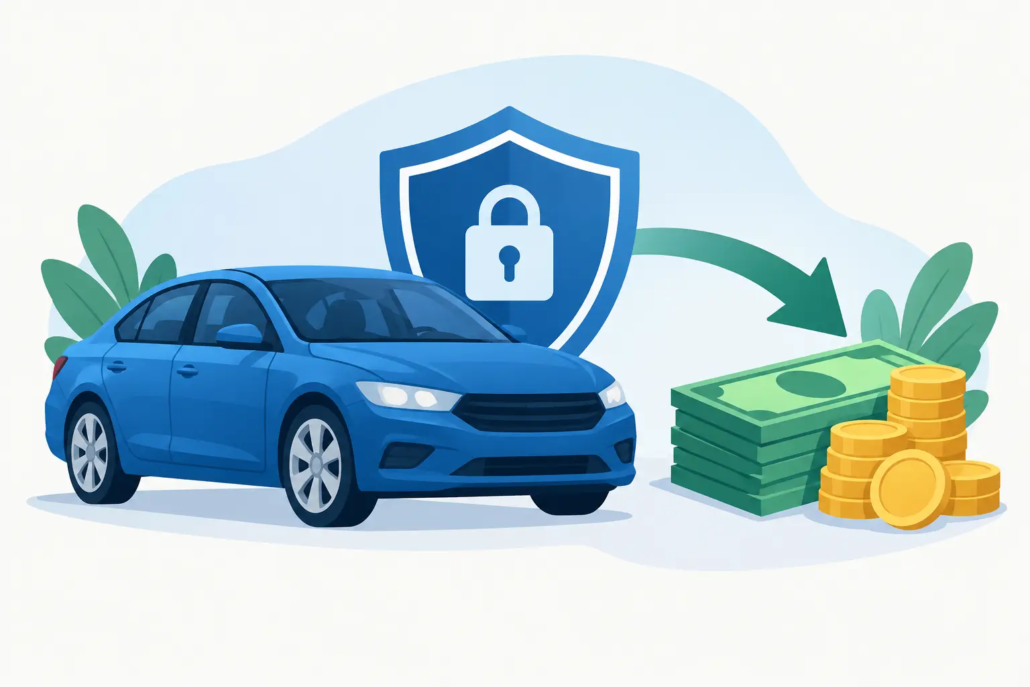
A surprise mechanic’s bill, overdue supplier invoice or gap between jobs can put serious pressure on your week. If you own a vehicle or piece of equipment outright, secured loans can give you another way to access cash without waiting through the usual bank process.
Rather than judging your application mainly on your credit score, payslips or employment history, a vehicle-backed loan is assessed against the value of the asset you offer as security. For many Queenslanders, that means a practical option when time matters and traditional finance is not the right fit.
What are secured loans?
A secured loan is a loan backed by an asset. In this case, that asset may be a registered, roadworthy car, ute, motorbike, truck, van, boat, jet ski, caravan or eligible machinery that you own outright.
The lender assesses the asset’s current wholesale value and offers an amount based on that value. At AutoPawn, loans can be advanced up to 55% of wholesale asset value, subject to the asset and assessment. The vehicle or equipment provides the security for the loan, which is why the process can be simpler than applying for an unsecured personal loan.
This is different from a bank loan, where the focus is usually on your income, living expenses, credit file and ability to meet a long application process. With asset-backed lending, the condition, ownership and resale value of the item carry much more weight.
That does not mean the loan is risk-free or automatic. You still need to understand the repayment terms, charges and what happens if you cannot redeem the asset. But if you have an eligible asset and need funds quickly, it can be a clear, direct option.
Why people choose secured loans for urgent cash
When an expense cannot wait, paperwork and approval delays are more than an inconvenience. They can mean missed work, a stalled job, late bills or a business opportunity slipping away.
Secured loans are often used for short-term cash-flow problems because they are built around an asset the customer already owns. You are not starting from scratch trying to prove your financial history to a bank. Instead, the lender inspects and values the vehicle or equipment, confirms ownership and explains the available loan amount.
For a tradie, that might mean using a paid-off ute or machinery to cover materials before a client payment lands. For a family, it could mean dealing with an urgent household expense. For a small operator, it may bridge a slow period without selling an asset permanently.
The main benefit is speed. With the right asset and documents ready, same-day funding may be possible, often within the hour. There are generally no bank-style credit checks, no proof of income requirements and no lengthy finance application to complete.
Which assets can be used as security?
The best asset is usually one that is owned outright, registered where relevant and in roadworthy, saleable condition. A current market demand also helps support its value.
Cars are common, but they are far from the only option. Eligible assets can include motorbikes, utes, vans, trucks, boats, jet skis, caravans and machinery. The exact amount available depends on the make, model, year, condition, kilometres or hours used, registration status and local wholesale demand.
A newer vehicle is not always worth more for lending purposes than an older one in excellent condition. Likewise, a specialised machine may have strong value, but only if there is an established resale market for it. This is why an inspection matters. A quick, realistic valuation protects both sides from borrowing against an inflated number.
If there is finance owing on the asset, it may not qualify. Vehicle-backed pawnbroking generally requires unencumbered assets, meaning there is no other lender with a claim over them. Bring accurate ownership details from the start so there are no surprises.
How the process usually works
The process is designed to be straightforward, but it is still worth knowing each step before you commit.
First, provide details of the vehicle or equipment. This typically includes the make, model, year, registration and general condition. Photos may help with an initial indication, although a physical inspection is normally needed to confirm the valuation.
Next, the lender checks identification and ownership. You will need to show that the asset belongs to you and is free of existing finance. For registered vehicles, registration information is part of this check.
The asset is then assessed against current wholesale value. The loan offer is based on a percentage of that value, not the retail price you might see in an online ad. Retail prices include dealer margins, warranties and time to find the right buyer. Wholesale value is a more practical measure for secured lending.
Once you accept the offer and agree to the terms, funds can be paid quickly. Before signing, make sure you know the repayment date, the total amount required to redeem the loan, all applicable fees and how storage or possession of the asset will work. Ask direct questions. A reputable lender should answer them plainly.
The real trade-off: fast access versus asset risk
Fast cash is useful, but it should solve a short-term problem rather than create a bigger one. The asset is security for the loan. If you do not meet the agreed terms or redeem the loan, you could lose it.
That is the key difference between secured and unsecured borrowing. A lender can offer funds against an asset because it has a clear form of security. In return, you need a realistic plan for repayment.
Before taking a loan, look at when your next money is due in. Is there an invoice being paid, a confirmed job starting, a tax refund expected or a temporary expense ending? If the answer is unclear, borrow cautiously. Taking the maximum available amount is not always the smartest move. Borrow what you need and what you can reasonably repay under the agreed conditions.
Also consider whether the asset is essential to your livelihood. A truck, ute or excavator may be valuable security, but it may also be vital to your work. Understand the lender’s arrangement for the asset and whether it suits your circumstances before proceeding.
What to check before accepting a secured loan
Do not let urgency stop you from reading the details. A fast process should still be a transparent process.
Check the loan amount against the amount you actually need. Confirm the full redemption amount and date, rather than looking only at the cash you receive. Ask whether there are fees for setup, storage, extensions or late payment, and make sure you understand the consequences of default.
You should also check that the lender is established, easy to contact and willing to explain the agreement in plain English. A long operating history and genuine customer feedback can be useful signs, but the written terms are what matter when you sign.
Finally, keep copies of your agreement, identification documents and any condition report for the vehicle or equipment. Good records make the process easier if you need to discuss the loan later.
When a secured loan may make sense
A vehicle-backed loan may suit you when you own an eligible asset outright, need money quickly and have a clear way to repay within the loan term. It can be particularly useful when a credit check, proof of income or slow bank approval would hold you up.
It may not suit you if the asset has finance owing, you are unsure how you will repay, or losing the asset would put your income or family under too much pressure. In that situation, pause and consider other options before making a decision.
The right secured loan is not about borrowing more than you can handle. It is about using an asset you already own to deal with a genuine short-term need, with clear terms and a repayment plan you can stand behind. If you need fast cash, start by finding out what your vehicle or equipment is worth and ask for the numbers in plain language.



Leave a Reply
Want to join the discussion?Feel free to contribute!