
Short Term Funding Alternatives When Cash Can’t Wait
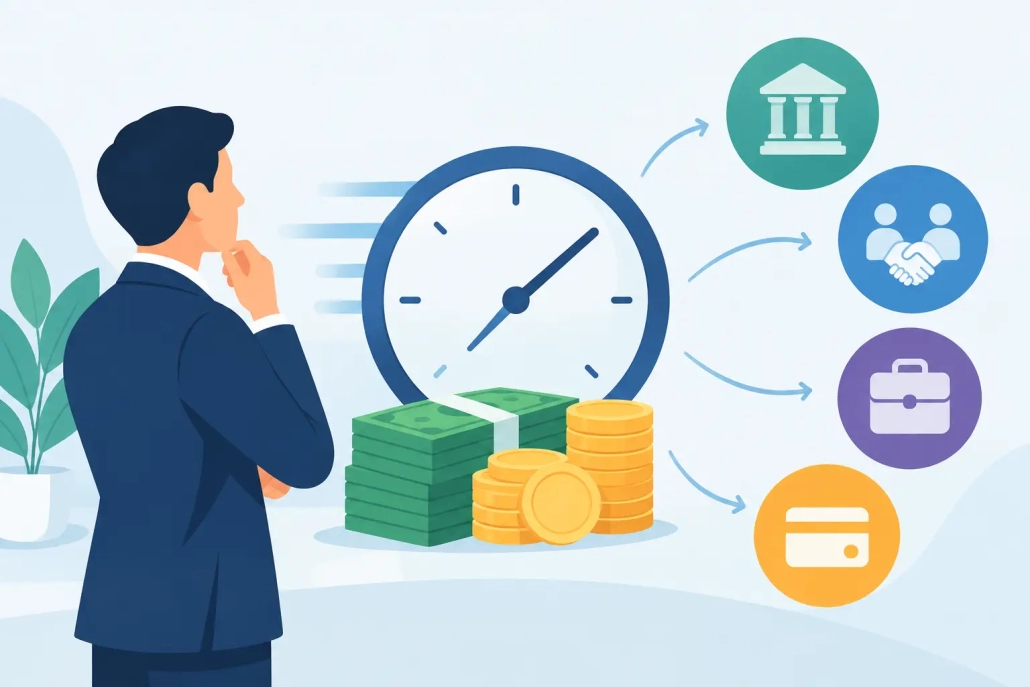
A blown gearbox, overdue supplier invoice or urgent dental bill does not wait for a bank appointment. When cash is needed quickly, short term funding alternatives can bridge a temporary gap without forcing you into a long application process or a loan that does not suit the job.
The right option depends on how much you need, how soon you can repay it and what you are comfortable using as security. Speed matters, but so do the total costs, repayment terms and what happens if circumstances change. The aim is simple: solve the immediate problem without creating a bigger one next month.
Why the funding option matters
Not all fast finance works the same way. An unsecured loan is assessed mainly on your credit history, income and existing debts. An asset-backed loan is assessed against the value of an item you own. A payment plan may not be a loan at all, but it can give you breathing room by spreading a bill over time.
That difference can decide whether funds are available today or whether you spend days supplying payslips, bank statements and documents. It can also change the cost of borrowing and the consequences of missing a payment.
For a short-term cash-flow problem, the best answer is usually the one with a clear exit plan. If you know a customer payment is due next week, or your work ute will be back on the road after a repair, short-term finance may be practical. If your income is uncertain and there is no clear way to repay, it is worth speaking with the provider or a free financial counsellor before taking on more debt.
Short term funding alternatives to consider
Ask for a payment arrangement
Before borrowing, contact the business you need to pay. Utilities, insurers, medical providers, schools, mechanics and some suppliers may agree to a payment arrangement, a short extension or smaller instalments. This can be the cheapest option because you are not taking out a separate loan.
Be direct about what you can pay and when. Do not agree to a repayment amount that only works if everything goes perfectly. Get the arrangement confirmed in writing, and ask whether late fees or interest will still apply.
Use an overdraft or redraw facility
If you already have an approved overdraft or home loan redraw facility, it may provide fast access to funds. The convenience is useful for a genuine short gap, particularly when you know money is coming in shortly.
The catch is that interest can build up quickly, and redraw is not always available when you need it. Using home loan funds for day-to-day expenses can also turn a short-term bill into long-term debt if you only make minimum repayments. Check the rate, fees and available balance before relying on it.
Consider a personal loan from a bank or lender
A personal loan can suit planned expenses where you have time to apply and want fixed repayments. It may be an option for consolidating a known cost or covering a larger expense over several months.
For urgent needs, however, approval is not guaranteed. Lenders commonly assess credit history, employment, income and expenses. If you have a recent credit issue, irregular income or are self-employed, the process may be slower or less suitable than it first appears. Watch for establishment fees, monthly account fees and early repayment conditions, not just the advertised interest rate.
Use a credit card carefully
A credit card can be useful when the expense can be paid directly by card and you can clear the balance within an interest-free period. It may help with a small, one-off purchase such as parts, travel or an emergency service callout.
It is a poor fit for cash withdrawals or a balance you cannot realistically repay soon. Cash advances can attract higher rates from day one, while minimum repayments can keep a debt hanging around far longer than expected. Treat available credit as borrowed money, not spare money.
Look at buy now, pay later for specific purchases
Buy now, pay later services can spread the cost of an eligible purchase into instalments. For a necessary item with a fixed price, this may be easier than paying the full amount upfront.
It will not help if you need cash in your bank account for rent, wages or an unexpected bill. Missed payment fees can add up, and several small instalments across different services can become hard to manage. Check the repayment dates against your actual pay cycle, especially if your income changes from week to week.
Borrow from family or friends with clear terms
A short loan from someone close to you can be low-cost and quick, but it can also put pressure on an important relationship. It works best when both people are clear on the amount, repayment date and what happens if that date needs to change.
Put the agreement in a simple written message. It may feel formal, but it prevents confusion later. Only borrow what you can repay without leaving yourself short for essentials.
Use an asset-backed loan
If you own a valuable, unencumbered vehicle or piece of equipment, an asset-backed loan may be a practical option when traditional lenders are too slow or credit checks are a barrier. The lender looks primarily at the asset and its condition rather than relying only on your credit profile.
This can suit owners of cars, motorbikes, boats, jet skis, caravans, trucks, vans and machinery who need funds for a short, defined period. The amount available is usually based on a percentage of the asset’s wholesale value, not its sentimental value or advertised retail price.
With a vehicle-backed pawnbroking loan, the security is serious. If the loan is not repaid according to the agreement, you could lose the asset. That is why it makes sense only when the vehicle or equipment is owned outright, properly registered and roadworthy, and you have a realistic repayment plan.
AutoPawn provides same-day loans secured against eligible vehicles and equipment, with no credit checks or proof of income required. For eligible assets, funds can be advanced against up to 55% of wholesale value. Ask exactly how the asset is held, what the full repayment amount will be and what your options are if you need more time.
How to choose between short term funding alternatives
Start with the amount you actually need. Borrowing an extra few thousand dollars because it is available can make a short cash-flow issue much harder to clear. Work out the bill, add a small contingency if needed, and stop there.
Next, match the funding term to the reason for borrowing. A bill due before Friday may call for a payment arrangement or quick secured option. Equipment needed to finish a paid job may justify a short asset-backed loan if the incoming invoice will cover repayment. A cost that will take a year to pay off is not really a short-term problem, and needs a different conversation.
Then compare the full dollar cost. Ask for the total amount payable, all fees, the due date and the consequences of late payment. A low-looking rate can be misleading if fees are high, while a fast option may be worthwhile if it prevents a larger loss, such as missing paid work because your ute is off the road.
Finally, consider what is at risk. Unsecured lending can affect your credit file if repayments are missed. A credit card can become expensive. Secured funding puts the asset on the line. There is no universally best choice, only the choice that fits your situation and repayment capacity.
Questions to ask before accepting funds
Do not rush past the paperwork just because the need is urgent. A straight answer to a few questions can save you trouble later:
- What is the total dollar amount I will repay by the due date?
- Are there establishment, storage, late or extension fees?
- Can I repay early, and does that reduce the cost?
- What security am I giving, and what happens if I cannot repay on time?
- Is there a payment arrangement that would solve the problem without borrowing?
A reputable provider should answer these clearly, without hiding behind complicated language. Keep a copy of the agreement and make a note of every repayment date in your mobile.
Urgent cash pressure can make every option feel like the only option. Take ten minutes to compare the real cost, the repayment date and the risk to your assets. The best short-term funding choice is the one that gets you through the immediate problem and leaves you in a stronger position to get back to work, pay the bill and move on.



Leave a Reply
Want to join the discussion?Feel free to contribute!