
What Vehicles Qualify for Pawning in Australia?
A surprise repair bill, overdue supplier invoice or gap before payday does not leave much time for bank paperwork. If you own a valuable asset, knowing what vehicles qualify for pawning can give you a practical way to raise cash quickly without a credit check or proof of income.
Vehicle pawning is straightforward: the lender assesses the asset rather than your credit score. The stronger the vehicle’s condition, ownership status and resale value, the more likely it is to be suitable as security. For eligible assets, funds can be available on the same day after an assessment.
What vehicles qualify for pawning?
Most registered, roadworthy vehicles and equipment with clear ownership can be considered for a pawn loan. The key point is that the vehicle must have enough saleable value to secure the amount borrowed. It also needs to be yours to offer as security.
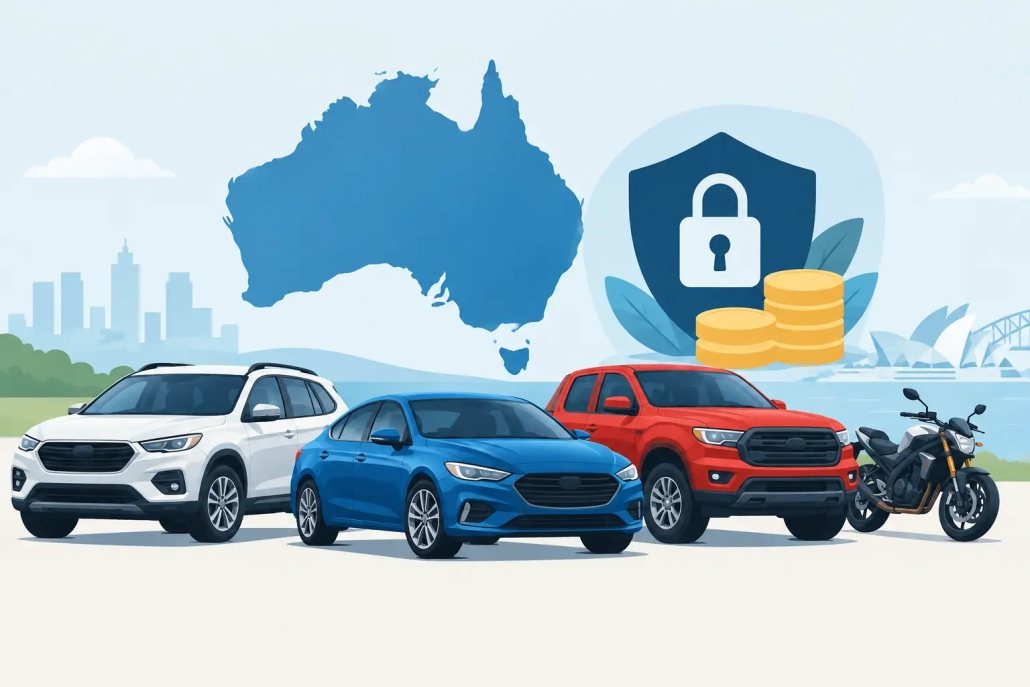
At AutoPawn, commonly accepted assets include cars, utes, 4WDs, vans, motorbikes, trucks, boats, jet skis, caravans and machinery. That range suits plenty of real-life situations across Brisbane and the Sunshine Coast, from a family needing funds against a second car to a tradie using equipment to manage a short-term cash-flow gap.
The asset does not need to be brand new or a prestige model. A well-kept older vehicle may still have solid wholesale value. On the other hand, a newer vehicle with finance owing may not qualify until that finance is paid out. Each asset is assessed on its own merits.
The three things that matter most
1. You own it outright
An unencumbered vehicle is generally the starting point. This means there is no money owing to a bank, finance company or another secured lender against the asset. If a vehicle is still under finance, it may have a registered interest that prevents it from being used as security for a separate pawn loan.
Being the registered operator is helpful, but ownership must also be clear. Bring identification and the relevant registration or ownership documents so the details can be checked properly. If the vehicle is in a business name, trust or another person’s name, ask first what documentation will be required.
2. It is registered and roadworthy
For cars, motorcycles, trucks, vans and caravans, current registration and roadworthy condition are major factors. The vehicle should be safe to drive or tow, in reasonable working order and free from serious damage that affects its value or saleability.
Normal wear is not necessarily a problem. Scratches, minor dents, high kilometres and an ageing interior may reduce the valuation, but they do not automatically rule an asset out. Major mechanical faults, accident damage, missing parts or a vehicle that cannot be driven are a different matter. Be upfront about the condition. A clear assessment is faster when there are no surprises.
3. It has enough wholesale value
Pawn loans are based on the asset’s wholesale value, not the price you might hope to get in a private sale. Wholesale value reflects what the vehicle could realistically sell for through trade channels if it was not redeemed.
AutoPawn can advance up to 55% of wholesale asset value, subject to assessment. That percentage is designed to keep the loan secured while giving customers access to useful cash. For example, if an asset has a wholesale value of $20,000, the available loan amount may be up to $11,000. The final figure depends on its age, make, model, kilometres, condition, demand and supporting documents.
Vehicles and equipment that are often suitable
A reliable late-model hatch, sedan, SUV or ute is commonly suitable if it is registered, roadworthy and owned outright. Popular 4WDs can also hold strong value, particularly when they are well maintained and have service history.
Motorbikes are another practical option. Road bikes, cruisers, dirt bikes and larger touring motorcycles may be considered, provided their ownership and condition can be verified. A clean, complete bike with keys, registration and service records is easier to value than one with unknown history or major modifications.
For small business owners and tradies, work assets can be especially useful. Vans, light trucks, tippers, trailers, excavators, skid steers, generators and other machinery may qualify where they are owned outright and have clear identification details. These assets are assessed for working condition, age, market demand and resale value. Bring serial numbers, invoices or service information where available.
Leisure assets can qualify too. Boats, jet skis and caravans often carry enough value to support a loan, especially when they are registered, complete and in good working order. Registration requirements can vary by asset type, so have the relevant paperwork ready before arranging an assessment.
What may stop a vehicle from qualifying?
Not every vehicle is suitable, and that is usually about security rather than your personal circumstances. A vehicle may be declined or assessed at a lower value if it has outstanding finance, no proof of ownership, expired registration, serious mechanical issues or substantial accident damage.
Very low-value vehicles can also be difficult to use because there may not be enough equity after the asset is valued. Modified vehicles are not automatically excluded, but modifications do not always increase wholesale value. Some modifications can narrow the resale market, particularly if they affect compliance, reliability or insurability.
Written-off vehicles, heavily damaged vehicles and assets with missing VIN plates, serial numbers, keys or essential parts may not be suitable. The fastest way to find out is to provide accurate details from the start. Include the make, model, year, kilometres or hours used, registration number and an honest description of the condition.
What you need for a fast assessment
The process is built to avoid the usual lending run-around, but a few basics are still necessary. You will generally need valid photo identification, proof that the asset is yours, registration details where applicable, and the vehicle or equipment available for inspection.
Having spare keys, service books, purchase records and maintenance receipts can help support the value, although they are not always essential. For machinery and equipment, invoices, serial numbers and details of attachments are particularly useful. For boats and jet skis, bring any registration and ownership documents you have.
There are no credit checks, proof of income requirements or application fees. The focus is on the asset. That can make vehicle pawning a realistic option when a bank has said no, your income is irregular, or you simply do not want to wait through a lengthy loan application.
How the amount is worked out
The amount available is not based on what you need to borrow. It is based on what the asset can reasonably secure. An assessor considers current wholesale demand, vehicle age, condition, kilometres, service history, registration status and likely resale time. For machinery, operating hours and maintenance history matter too.
This can feel different to selling privately, where you might set an optimistic asking price and wait for the right buyer. A pawn loan is about immediate access to cash, so the valuation needs to reflect a realistic wholesale market figure. In return, you avoid advertising the asset, dealing with tyre-kickers or waiting weeks for a sale.
Before agreeing, make sure you understand the loan amount, fees, repayment date and what happens if the loan is not redeemed. A straightforward lender will explain the terms clearly so you can decide whether the arrangement suits your situation.
A practical option when time matters
If you need money urgently, start with the asset you own outright that is registered, roadworthy and easiest to document. A clean vehicle with clear ownership can often be assessed quickly, with no need to explain your credit history or produce payslips.
The best next step is simple: gather your ID, registration and any ownership paperwork, then get an honest assessment. When the asset stacks up, fast cash can be much closer than the next bank appointment.



Leave a Reply
Want to join the discussion?Feel free to contribute!