
Understanding Collateral Loan Terms Clearly
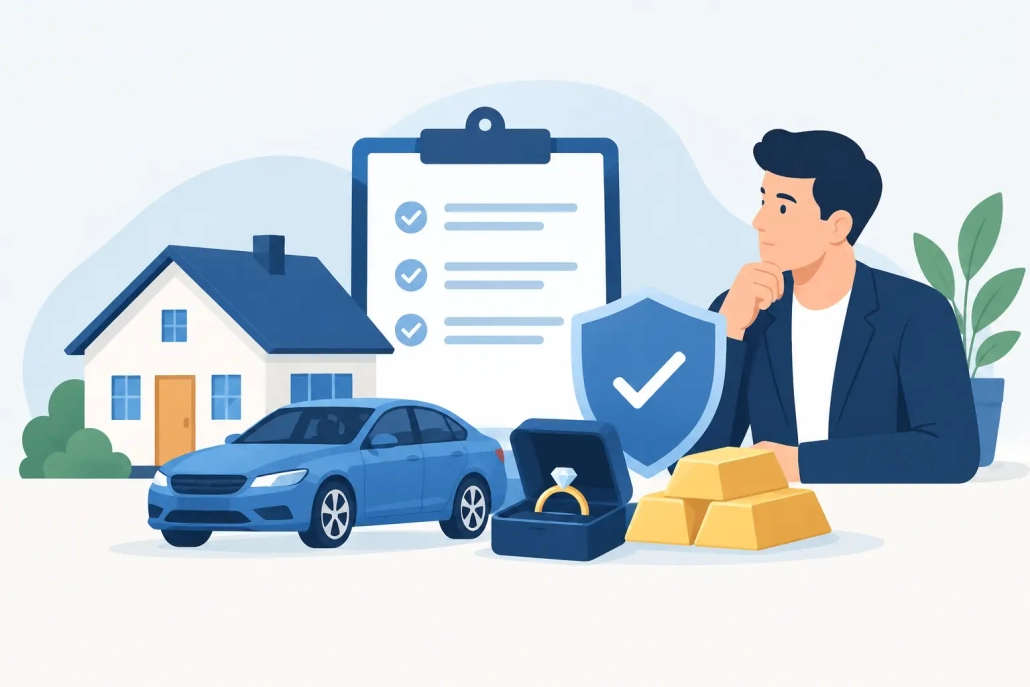
A blown gearbox, overdue supplier invoice or surprise bill can put pressure on anyone. Understanding collateral loan terms before you hand over your keys gives you a clear picture of what you are borrowing, what it will cost and what happens to your vehicle while the loan is active.
A collateral loan is different from a bank personal loan. The lender assesses the asset being offered as security, not just your credit file or payslips. For people who own a suitable car, ute, motorbike, truck, boat or piece of machinery, that can mean a faster path to cash when time matters.
What collateral means on a vehicle loan
Collateral is an asset that secures the money you borrow. With a vehicle-backed pawn loan, your registered, roadworthy vehicle or equipment is the collateral. The loan is made against its value, and the lender holds it as security until you repay the agreed amount.
This is why ownership matters. You will generally need to own the asset outright, with no finance owing against it. If a bank, finance company or another party already has a claim over the vehicle, it may not be suitable collateral. A lender may check the Personal Property Securities Register to confirm there is no existing security interest.
The asset needs to be identifiable and saleable if it is not redeemed. That usually means current registration where applicable, a vehicle in reasonable condition and paperwork that matches your details. A damaged, unregistered or heavily modified vehicle can still have value, but it may affect the amount available to borrow.
Understanding collateral loan terms before you agree
The loan agreement is not just paperwork. It sets out the deal in plain terms: how much you receive, how long you have to repay, the charges that apply and the consequences if you do not redeem the asset. Read it before signing, particularly if you are under pressure to sort out money quickly.
Loan amount and asset value
The amount available is based on the wholesale value of the collateral, not the price you originally paid or what you hope to sell it for privately. Wholesale value reflects what the asset could realistically achieve through a trade or resale channel, allowing for condition, kilometres, demand and market movement.
A lender may advance a percentage of that value. For example, AutoPawn can lend up to 55% of wholesale asset value on eligible assets. Keeping the loan below the full value of the vehicle helps manage the risk for both sides, especially if the market changes or the asset needs to be sold.
Do not assume a higher loan is always the better option. Borrowing only what you need can make redemption more manageable. If $3,000 covers the immediate problem, taking the maximum available simply because it is offered may increase the amount you need to repay later.
Loan term and redemption date
The loan term is the period you have to repay the principal, plus all agreed interest and fees, to get your asset back. The agreement should state the exact redemption date. Put it in your mobile calendar when you sign, rather than relying on memory.
Short-term lending can be useful for a temporary cash-flow gap, such as waiting on an invoice, replacing work equipment or covering an urgent repair. It is less suitable if there is no realistic plan to repay within the term. Before proceeding, ask yourself where the repayment will come from and when those funds will be available.
If your circumstances change, contact the lender early. Depending on the agreement and the lender’s policies, an extension or renewal may be possible. It will usually come with additional costs, so get the figures first. Waiting until the due date has passed can reduce your options.
Interest, fees and the total amount to repay
The interest rate is only one part of the cost. Your agreement should clearly show all applicable charges, such as establishment, storage, administration, valuation or default-related fees where relevant. Ask for the total amount required to redeem the asset on the due date, not just the rate.
This is the practical comparison to make: cash received today versus the exact amount needed to get your vehicle back. If you are considering more than one option, compare the same loan amount and the same timeframe. A loan that looks cheaper at first can cost more once fees are included.
There is no benefit in pretending the cost does not matter because the approval is fast. Fast cash solves a short-term problem. A clear repayment figure helps ensure it does not create a bigger one.
Possession, storage and insurance
With many vehicle pawn loans, the lender takes possession of the collateral for the term of the loan. This differs from some secured loans where you keep driving the vehicle. Confirm where the asset will be kept, whether storage is secure and whether you can access personal belongings before handing over the keys.
Remove valuables, tools, garage remotes, toll tags and personal documents from the vehicle. Keep only what is required for the asset and its operation. Take photos of the vehicle’s condition, odometer reading and accessories before it is stored. This is sensible record-keeping, not a sign that you expect a problem.
Ask how insurance is handled during storage and what your own insurance policy requires. Do not cancel cover or assume it automatically continues without checking the details. The agreement should explain responsibility for the asset while it is in the lender’s possession.
Default and sale of the asset
Default means you have not met the agreement, usually because the loan has not been redeemed by the due date or required amounts have not been paid. The agreement should explain what notices may be given, any additional charges that can apply and when the lender may sell the collateral.
This is the term many borrowers want to skip over. Do not. A pawn loan is secured by a real asset, so failing to repay can mean losing the vehicle or equipment. If that vehicle is essential for work, school runs or running your business, factor in the cost and disruption of being without it before you borrow.
Ask a direct question: what happens if I cannot repay on time? A straightforward lender should explain the process without vague answers. You should also ask how any sale proceeds are treated under the agreement and applicable laws.
Questions worth asking before you pawn an asset
You do not need financial jargon to make a sound decision. Get clear answers to a few practical questions: How much cash will I receive today? What is the total redemption amount and due date? What fees apply if I need more time? Will you hold my vehicle, and where? What happens if I miss the date?
Also confirm what documents you need to bring. Proof of ownership, registration details and photo identification are common requirements. A vehicle-backed lender may not require a credit check, proof of income or the long application process used by mainstream lenders, but they still need to verify the asset and the person offering it.
When a collateral loan can make sense
A collateral loan can suit someone with a valuable asset and a short, defined need for cash. A tradie waiting for a customer payment, a small business owner covering a brief gap, or a household facing an urgent repair may prefer a quick asset-based option over a lengthy bank application.
It may not be the right fit if repayment depends on uncertain future money, or if losing access to the vehicle would cause serious hardship. In that case, take a breath, consider other options and do not let urgency force a decision you cannot reasonably manage.
The best collateral loan is one you understand before the keys change hands. Know the redemption date, know the full amount to repay and make sure the loan gives you breathing room rather than adding another problem to next month’s budget.



Leave a Reply
Want to join the discussion?Feel free to contribute!