
Vehicle Pawn Loan Process Explained Simply
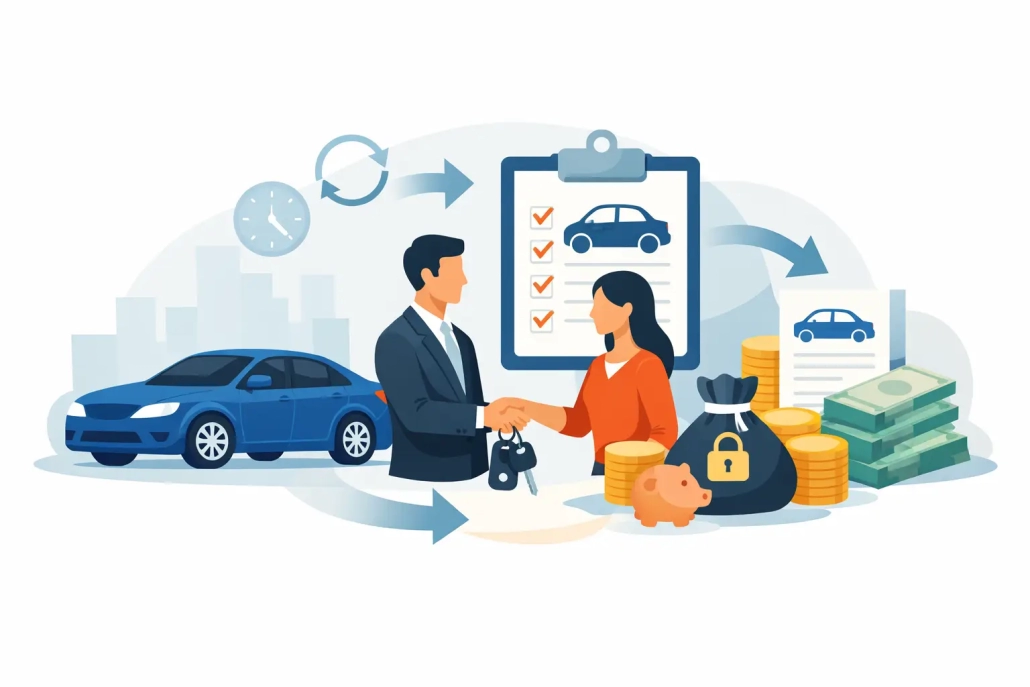
When cash is tight, you do not need a long lecture from a bank manager. You need to know how the vehicle pawn loan process explained in plain English actually works, how fast it can happen, and what you need to bring to get it moving.
A vehicle pawn loan is a short-term loan secured against an asset you already own, such as a car, ute, motorbike, van, boat, caravan or machinery. The lender looks at the asset first, not your credit score or payslips. That is the big difference. If your vehicle is owned outright, registered and in roadworthy condition, you may be able to turn it into cash the same day.
How the vehicle pawn loan process works
The process is usually much simpler than people expect. It starts with a quick enquiry about the vehicle and ends with funds paid out if the asset meets the lender’s criteria and you are happy with the loan terms.
First, you provide basic details about the asset. That usually includes the make, model, year, kilometres, condition and registration status. If it is a boat, jet ski, truck or machine, the lender will want similar practical details. The goal is simple – work out whether the asset is suitable security and what it may be worth in the current market.
Next comes the valuation. A vehicle pawn lender is not lending against what you originally paid or what you hope to sell it for privately. The amount is usually based on a percentage of wholesale value. That matters because it gives the lender enough room to manage risk if the loan is not repaid. In many cases, the loan amount can be up to 55% of wholesale asset value.
If the numbers stack up, the lender confirms the offer. At that point, you review the loan amount, fees, interest, term and repayment requirements. This is where being direct helps. Ask what the total repayment is, when it is due, whether early payout is allowed and what happens if you need more time. A decent lender will answer clearly.
Then the paperwork is completed. This is usually far lighter than a bank or personal loan application. You still need to prove identity and ownership, but you are not generally dealing with income verification, lengthy forms or a credit assessment. Once approved, funds can often be released within the hour.
What lenders usually check
The asset does the heavy lifting in this type of loan, but that does not mean every vehicle qualifies. Lenders are looking for security they can properly value and, if needed, sell.
The first thing they check is ownership. The vehicle must usually be unencumbered, which means there is no finance owing on it. If another lender already has an interest in the asset, it is not clean security. Registration also matters. In most cases, the vehicle needs to be currently registered and roadworthy.
Condition counts too. A tidy, running vehicle with reasonable kilometres and no major damage will usually attract a stronger valuation than one with mechanical issues, hail damage or missing service history. The same logic applies to equipment and machinery. If it is easy to identify, inspect and resell, it is generally easier to lend against.
Age and type can also affect the outcome. A late-model ute in solid condition may be more appealing than an older niche vehicle with a thin resale market. That does not mean older assets are automatically ruled out. It depends on demand, condition and how easily the lender can assess value.
Documents you may need
One reason people choose this kind of loan is the reduced paperwork. Still, reduced does not mean none.
You will normally need photo ID and proof that the asset belongs to you. For a vehicle, that may include registration papers and any details that help confirm ownership and condition. Some lenders may also ask to inspect the vehicle in person. That is standard. They need to verify what they are lending against.
If the asset is specialised, like earthmoving gear or commercial equipment, extra details may help support the valuation. That could include serial numbers, service records or proof of purchase. The cleaner the paperwork, the faster the process tends to be.
Why there are usually no credit checks
This is one of the main reasons people look at vehicle-backed pawnbroking in the first place. Traditional lenders assess your capacity to repay by going through your credit file, income, expenses and existing debts. That can take time, and if your credit history is rough, it can stop the whole application before it starts.
With a pawn loan, the lender is mainly assessing the value and suitability of the asset. That does not make the loan risk-free for you, but it does remove a major barrier for borrowers who need quick access to funds. If you have had a rough patch, are self-employed, work cash jobs, or simply do not want to hand over half your life in paperwork, this approach can be far more practical.
It is still worth remembering that no credit checks does not mean no responsibility. You are putting an asset on the line. If repayment does not happen under the agreed terms, the lender may have the right to sell the asset to recover the debt.
How much can you borrow?
This is the question everyone asks first, and the honest answer is: it depends on the vehicle.
Loan amounts are usually tied to wholesale value, not retail asking price. That means the figure may be lower than what you see on a classifieds site. A lender needs a conservative value because they are taking short-term risk and may need to resell quickly if the loan defaults.
For borrowers, that trade-off is part of the deal. You are getting speed, fewer hurdles and a simpler approval path. In return, the loan amount is based on a cautious valuation. If you need the maximum possible amount, a private sale might raise more money, but it will almost always take longer and involve more effort. If you need cash today, the lower advance can still be the better option.
What happens after approval
Once the loan is approved and the contract is signed, the payout is made. Speed is one of the main selling points here. For many borrowers, the value is not just getting finance. It is getting it fast enough to cover rego, payroll, supplier invoices, rent, repairs or an unexpected bill before the problem grows.
The vehicle is then held as security under the lender’s process. Depending on the arrangement, the asset may be stored securely for the loan term. You should always confirm exactly how that works before signing. Ask where the vehicle will be kept, whether it is insured while held, and what the release process looks like once the loan is repaid.
Repayment terms are generally clear and short-term. When you repay the loan, along with agreed interest and fees, the asset is returned. If you want to settle early, ask whether that reduces the cost. In many cases it can, but you should never assume.
Vehicle pawn loan process explained against bank loans
If you are comparing options, the biggest difference is friction. A bank loan may offer a lower rate, but it often comes with slower approvals, stricter credit rules and more paperwork. That works fine if you have time, strong credit and all your documents ready.
A vehicle pawn loan is built for speed. It suits people who need cash now, own a qualifying asset, and prefer a direct process. The trade-off is that rates and fees can be higher than mainstream secured lending. That is why this type of loan is generally best used for short-term needs, not ongoing borrowing.
For plenty of borrowers, that trade-off makes sense. If missing a business payment costs you a contract, or an urgent bill leads to bigger fees, access to same-day cash can be worth far more than waiting a week for a cheaper product you may not even qualify for.
Before you apply
Go in with clear eyes. Know what you need, know what the vehicle is roughly worth, and know how you plan to repay the loan. If anything in the contract is vague, ask. Straight answers matter.
It also helps to be realistic about the asset. Sentimental value does not affect valuation, and neither does the money you have spent on accessories unless they genuinely add resale value. A practical lender will assess the asset as security, not as a personal story.
For borrowers in Southeast Queensland who want a fast, plain-English option, that is exactly why services like AutoPawn appeal. The process is built around speed, not red tape.
If you own a vehicle outright and need money quickly, the right question is not whether the process is complicated. It is whether the loan solves today’s problem without creating a bigger one next month.



Leave a Reply
Want to join the discussion?Feel free to contribute!