
How to Borrow Against My Car Fast
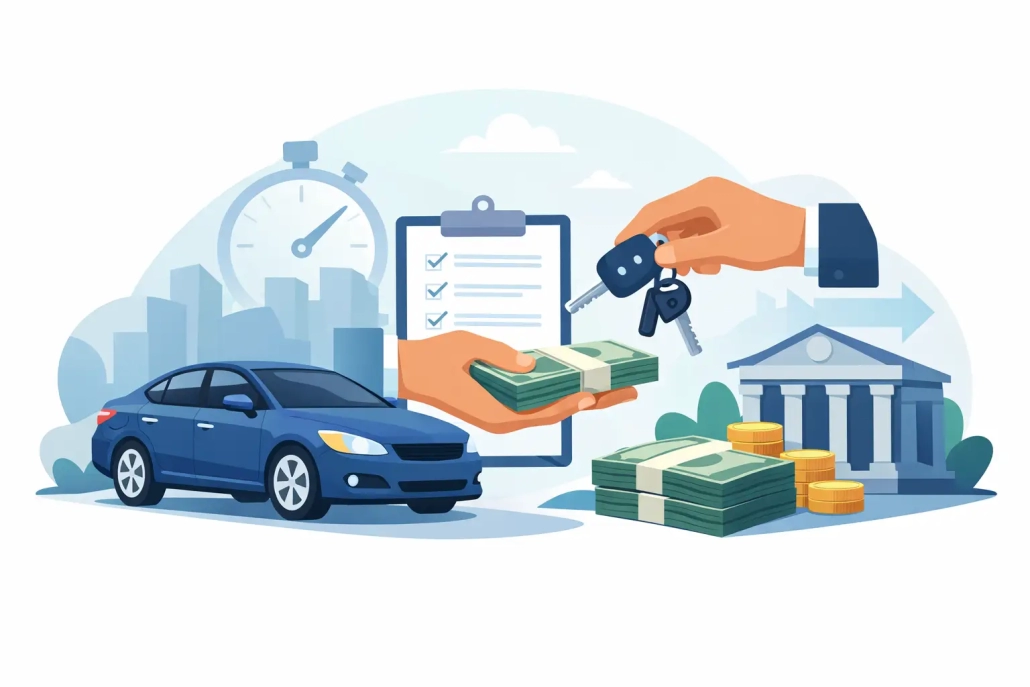
If you’re asking how to borrow against my car, chances are you don’t need a long lecture. You need a clear answer, and you need it quickly. The short version is simple: if you own your vehicle outright and it has value, you may be able to use it as security for a short-term loan and get cash the same day.
That option suits plenty of Australians who are short on time, dealing with urgent bills, covering business costs, or trying to bridge a temporary cash-flow gap. It can also make sense if the bank has already wasted your time, or if your credit history is getting in the way of a practical solution.
How to borrow against my car
Borrowing against your car means using the vehicle as collateral for a loan. The lender looks at the car first – not just your payslips, credit score, or bank statements. If the vehicle is unencumbered, registered, and roadworthy, and it has enough resale value, it may qualify.
In plain terms, you’re not selling the car. You’re using the value in it to access cash. The amount you can borrow usually depends on the vehicle’s wholesale value, not what you hope to get for it in a private sale. That matters, because loan amounts are based on what the asset is realistically worth in the current market.
For many borrowers, the appeal is speed. A vehicle-backed loan is often much faster than a bank loan because there’s less paperwork and no long approval chain. In many cases, there are no credit checks, no proof of income requirements, and no application fees. The asset does the heavy lifting.
Who can borrow against a car?
You’ll usually need to be the legal owner of the vehicle, and the car generally needs to be fully paid off. If there’s still finance owing on it, that changes the picture. Some lenders won’t touch it. Others may consider it, but only after checking the payout amount and whether there’s still enough equity in the car.
The vehicle also needs to be in reasonable condition. A registered, roadworthy car with clear ownership is far more likely to be approved than something damaged, unregistered, or hard to value. This is why everyday cars, utes, vans, motorbikes, boats, caravans, and work equipment are often used for this type of lending.
This kind of loan is commonly used by tradies, small business owners, casual workers, sole traders, and everyday people who have an asset but need quick access to cash. It’s not about fitting a bank’s neat little box. It’s about whether the vehicle is suitable security.
What you usually need to apply
The process is normally straightforward. You’ll be asked for photo ID, proof that you own the vehicle, and basic details about the asset itself. That might include the registration, make, model, year, kilometres, and overall condition.
The lender may also want to inspect the vehicle in person. That’s standard. They need to confirm what it is, what shape it’s in, and what it’s worth. If the car checks out, the loan offer is based on that assessed value.
A lot of borrowers expect mountains of paperwork because that’s what happens with mainstream lenders. Vehicle-backed lending is different. The focus is the asset, so the process is usually faster and easier to move through.
How much can I borrow?
This depends on the vehicle’s value and the lender’s policy. In many cases, the loan amount is a percentage of the wholesale value, not the retail or private sale price. That percentage can vary, but a common upper range is around 55% of wholesale value.
So if your car is worth a solid amount in the current market, you may be able to access a useful sum without selling it outright. If it’s older, high-kilometre, or in rough shape, the loan amount may be lower than you hoped. That’s one of the main trade-offs. The process is fast, but the amount is tied to real asset value, not sentiment.
If you need a very specific figure, the quickest path is usually to have the vehicle assessed properly rather than guessing from online resale ads. Market reality and advertised prices are rarely the same thing.
What happens during the process?
Once you make contact, the lender will usually ask a few quick questions about the vehicle and your situation. If it sounds suitable, they’ll organise an inspection or valuation. From there, you’re given a loan amount, the terms are explained, and if you’re happy to proceed, the paperwork is completed.
With the right lender, this can all happen fast. Same-day funding is one of the main reasons people choose this option. If you’ve got a bill due today, wages to cover, or an urgent repair that can’t wait, speed matters more than fancy loan packaging.
Some lenders require the vehicle to be stored with them while the loan is active. Others may offer different arrangements depending on the asset and the structure of the loan. This is one area where you need to ask direct questions. Can you keep using the vehicle, or does it stay with the lender? Don’t assume. Get a clear answer before signing anything.
The pros and the trade-offs
The biggest advantage is speed. If you qualify, you can often get cash within the hour. That’s a very different experience from waiting days or weeks for a bank to assess payslips, living expenses, credit history, and account conduct.
Another major benefit is accessibility. If your credit file is poor, your income is irregular, or you’re self-employed and sick of explaining your finances to everyone, a vehicle-backed loan can be a practical option. The asset matters more than the story behind it.
But there are trade-offs. This is not free money, and it’s not the right option for every situation. Interest and fees can be higher than mainstream secured finance, particularly because the loan is built for speed and short-term access. If you borrow without a realistic repayment plan, you can create more pressure for yourself later.
There’s also the obvious risk tied to the asset. If you default under the terms of the agreement, the lender may have the right to sell the vehicle to recover what’s owed. That’s why this type of borrowing works best when the cash shortfall is temporary and you’ve got a clear path to repay.
How to borrow against my car without making a bad call
The fast answer is this: be honest about why you need the money, how long you’ll need it for, and whether the repayments are manageable. If the loan is helping you solve a short-term problem, it may be useful. If it’s covering a deeper money issue with no clear way out, you need to be careful.
Ask what the total cost will be, not just the amount you’ll receive today. Ask what happens if you need more time. Ask whether there are storage requirements, late fees, or discharge costs. Straight answers matter.
It also helps to work with a lender that deals in this space every day and can explain the process without waffle. Experience counts. A long-running local operator with a clear process is usually a safer bet than someone who makes vague promises and rushes you past the details.
When this type of loan makes sense
Borrowing against your car can be a sensible option when the need is urgent and temporary. That might be a tax bill, overdue rent, stock for your business, emergency travel, vehicle repairs, or a gap between incoming invoices and outgoing costs.
It can also suit people who are asset-rich but cash-poor for the moment. Owning a vehicle outright gives you an option many borrowers forget they have. If the car is sitting there with usable value, it may be able to help you get through a tight week or a rough month.
That said, if you have cheaper finance available and time to apply for it, that may be worth considering too. Fast lending is valuable, but only when speed is actually the problem you need to solve.
For borrowers in Southeast Queensland who need a direct, same-day option, businesses like AutoPawn exist for exactly this reason. The process is built around the asset, not the usual bank hurdles.
If your car is paid off, registered, and worth something in the current market, the next step is simple. Get it assessed, ask the hard questions, and make sure the loan fits the problem you’re trying to fix. Fast cash can be useful when it’s handled properly, and a straightforward lender should make that part easy.



Leave a Reply
Want to join the discussion?Feel free to contribute!